ICTQual Level 4 Diploma in Herpetology and Herpetological Survey Techniques
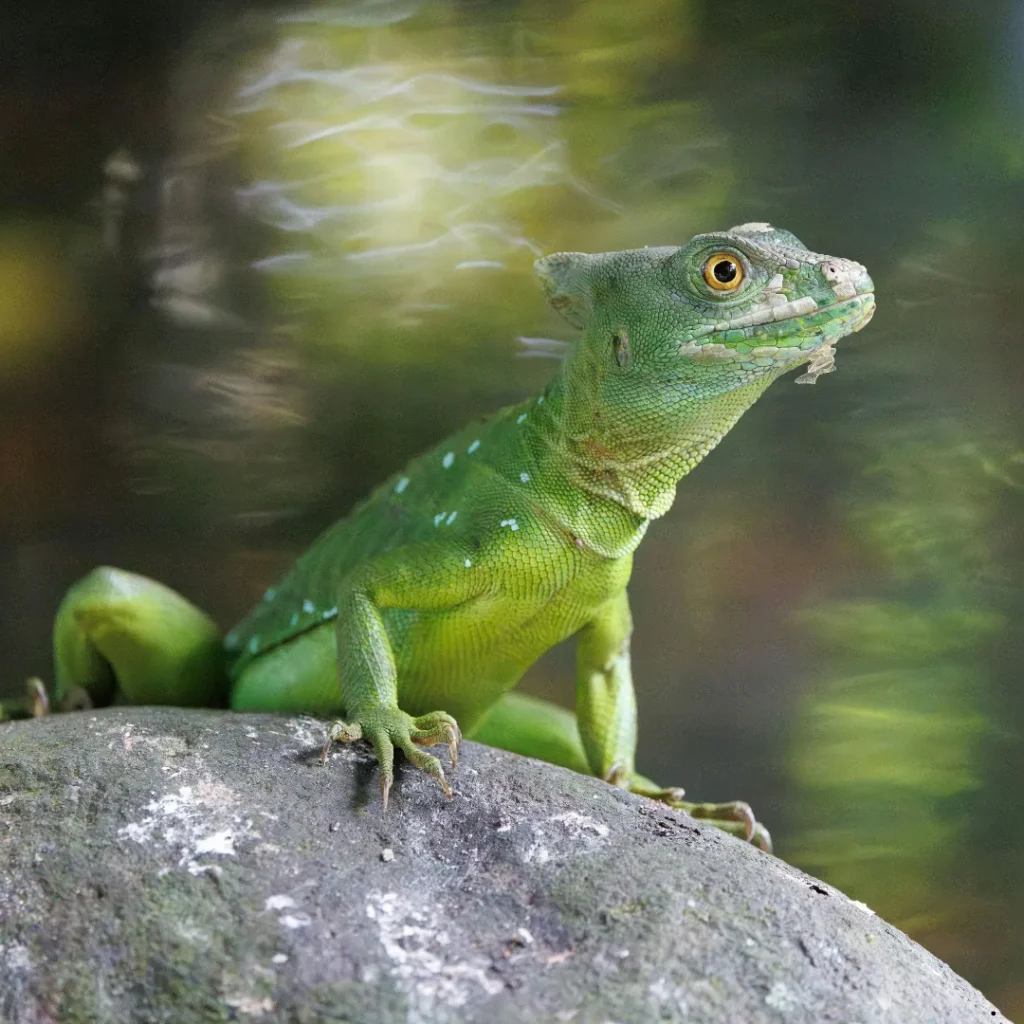
The ICTQual Level 4 Diploma in Herpetology and Herpetological Survey Techniques is designed to provide learners with advanced knowledge and practical skills in the study of reptiles and amphibians. This course focuses on equipping learners with the ability to identify species, understand ecological roles, and conduct structured surveys. By combining theoretical learning with field-based applications, the diploma prepares learners to contribute meaningfully to conservation, research, and environmental management projects. It is ideal for individuals passionate about herpetology and committed to protecting biodiversity.
This diploma emphasizes the importance of accurate data collection, ecological monitoring, and species conservation. The course highlights the role of herpetological surveys in guiding conservation strategies, informing land management decisions, and promoting ecological balance. With a strong focus on real-world scenarios, learners gain the ability to apply their knowledge in diverse environments, making them valuable contributors to wildlife and environmental projects.
The ICTQual Level 4 Diploma in Herpetology and Herpetological Survey Techniques also prepares learners to take on responsibilities that require critical thinking, problem-solving, and adaptability. It encourages the development of observational skills, scientific reasoning, and environmental awareness.By completing this diploma, individuals will be empowered to support conservation initiatives, foster sustainable practices, and contribute positively to protecting herpetofauna and their ecosystems.
Course Overview
Awarding Body
ICTQual AB
Credits
40 Credits
Study Mood
Online
Assessment
Assignments Based
Course Study Units
- Comparative Survey Approaches in Herpetology
- Advanced Ecological Monitoring Techniques
- Habitat Restoration and Management
- Legal and Ethical Frameworks in Conservation
- Professional Reporting and Communication Skills
- Applied Research Project in Herpetology

Entry Requirements
Who Can Enroll
This course is designed for individuals who want to strengthen their ability to study and protect reptiles and amphibians.
- Passionate about herpetology and wildlife conservation.
- Interested in ecological surveys and habitat assessment.
- Strong observational and analytical skills.
- Motivated to contribute to sustainable conservation practices.
- Keen to work in research, fieldwork, or environmental projects.
- Dedicated to protecting biodiversity and natural ecosystems.
Course Learning Outcomes
Comparative Survey Approaches in Herpetology
- Learners will compare traditional and modern survey methods used in herpetological research.
- They will evaluate the strengths and limitations of different survey approaches across varied habitats.
- Learners will apply comparative techniques to improve accuracy in species identification and population studies.
- They will design surveys that integrate multiple approaches for comprehensive ecological data collection.
Advanced Ecological Monitoring Techniques
- Learners will implement advanced monitoring tools such as telemetry, acoustic devices, and GIS mapping.
- They will analyze long‑term ecological data to assess population dynamics and habitat use.
- Learners will evaluate monitoring outcomes to support conservation planning and biodiversity management.
- They will apply ethical and safe practices while using advanced ecological monitoring technologies.
Habitat Restoration and Management
- Learners will assess degraded habitats and identify strategies for ecological restoration.
- They will design management plans to enhance biodiversity and sustain herpetofauna populations.
- Learners will evaluate the effectiveness of restoration projects through ecological indicators.
- They will apply practical skills in habitat improvement, including vegetation management and water quality monitoring.
Legal and Ethical Frameworks in Conservation
- Learners will analyze national and international laws governing wildlife conservation and ecological surveys.
- They will evaluate ethical principles in handling species, habitats, and ecological data.
- Learners will apply legal frameworks to ensure compliance in conservation projects.
- They will demonstrate awareness of professional codes of conduct in ecological consultancy and research.
Professional Reporting and Communication Skills
- Learners will prepare structured reports presenting survey methods, findings, and conservation recommendations.
- They will develop skills in communicating scientific information to both specialist and non‑specialist audiences.
- Learners will apply professional standards in ecological documentation and data presentation.
- They will demonstrate confidence in delivering presentations and engaging with stakeholders.
Applied Research Project in Herpetology
- Learners will design and conduct an independent research project focused on amphibians or reptiles.
- They will apply survey techniques and data analysis methods to investigate ecological questions.
- Learners will evaluate research findings to contribute to conservation knowledge and practice.
- They will present a structured research report demonstrating advanced analytical and communication skills.