ICTQual Level 3 Award in Mammalogy and Large Mammals Study Techniques
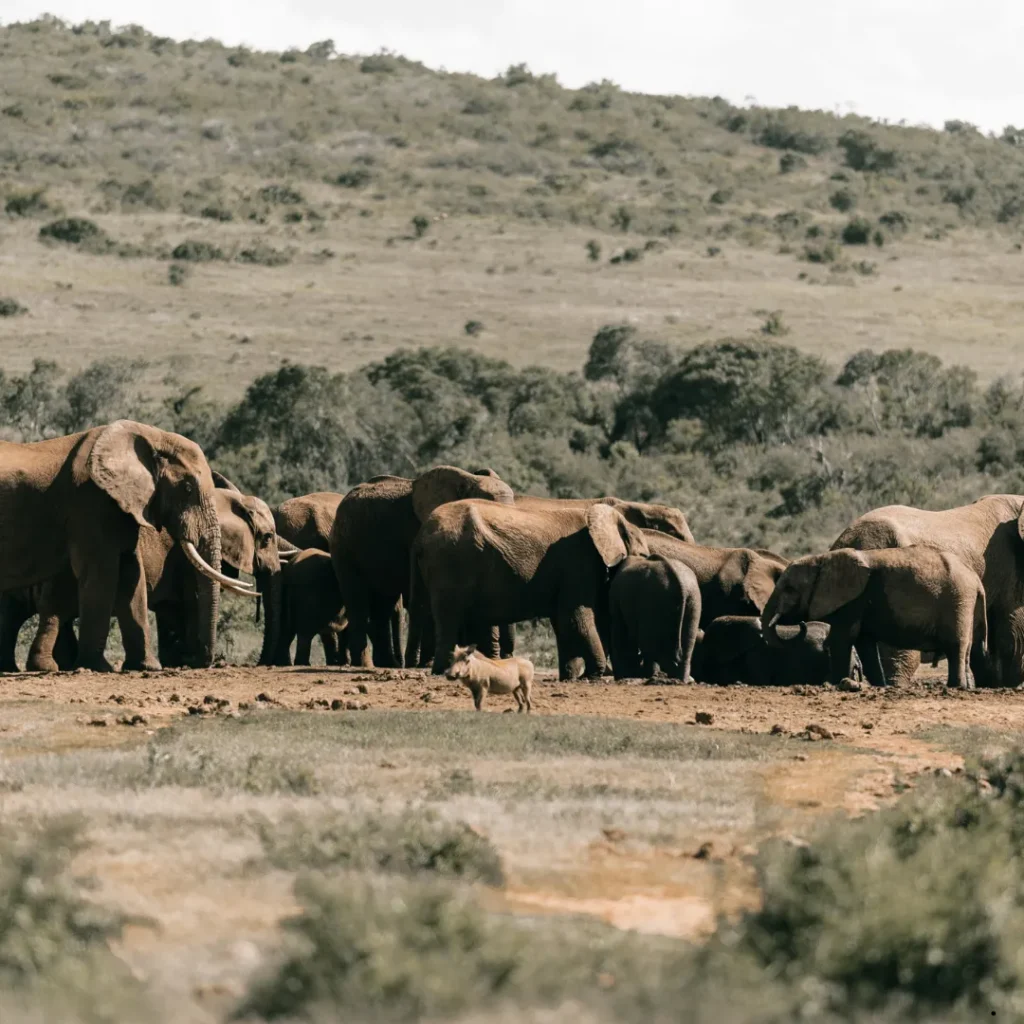
The ICTQual Level 3 Award in Mammalogy and Large Mammals Study Techniques is designed to provide learners with advanced knowledge and practical skills in the study of large mammals. This program explores the biology, ecology, and behavior of species such as ungulates, carnivores, and other significant mammals that play vital roles in ecosystems. The course emphasizes ethical study practices and equips participants with the ability to conduct structured observations, record findings accurately, and interpret data with confidence.
This award focuses on bridging theoretical knowledge with practical applications, making it ideal for learners who wish to engage with wildlife studies at a more advanced level. Participants will explore topics such as ecological interactions, conservation challenges, and the importance of large mammals in maintaining biodiversity. By combining classroom-based learning with applied study techniques, the course ensures that learners are well-prepared to understand and document the complexities of large mammal populations in diverse environments.
It provides opportunities to engage with real-world scenarios, encouraging learners to apply study techniques in ways that reflect professional standards. The course highlights the importance of conservation, sustainable practices, and responsible research, ensuring that learners appreciate both the scientific and ethical dimensions of mammalogy. Whether learners are motivated by personal interest or professional development, this award offers a valuable platform to enhance knowledge and skills in the study of large mammals.
Course Overview
Awarding Body
ICTQual AB
Duration
3 Days
Study Mood
Online
Assessment
Assignments Based
Course Study Units
- Applied Survey Techniques for Large Mammals
- Behavioural Studies and Tracking Methods
- Conservation Awareness and Community Engagement

Entry Requirements
Who Can Enroll
This course is best suited for individuals who are passionate about wildlife and eager to study large mammals in depth.
- Wildlife enthusiasts with a strong interest in mammalogy.
- Students seeking advanced knowledge in ecological and conservation studies.
- Conservation volunteers aiming to strengthen their skills.
- Hobbyists motivated by scientific curiosity and fieldwork.
- Learners wanting to build confidence in research techniques.
- Individuals committed to ethical and responsible wildlife study.
Course Learning Outcomes
Applied Survey Techniques for Large Mammals
- Apply advanced survey methods such as transects, camera traps, and GPS tracking.
- Collect and record ecological data with accuracy and consistency.
- Interpret survey results to identify population trends and habitat use.
- Demonstrate practical skills in designing and conducting mammal surveys.
- Evaluate the effectiveness of different survey techniques in varied environments.
Behavioural Studies and Tracking Methods
- Observe and analyze behavioural patterns of large mammals in natural habitats.
- Apply tracking techniques including spoor identification, scat analysis, and movement mapping.
- Understand social structures, communication, and territorial behaviours of large mammals.
- Record behavioural data systematically for research and conservation purposes.
- Assess how environmental factors influence mammal behaviour and movement.
Conservation Awareness and Community Engagement
- Recognize key conservation challenges affecting large mammal populations globally.
- Understand the role of communities in promoting sustainable wildlife conservation.
- Apply ethical principles when engaging with local stakeholders and conservation projects.
- Develop strategies for raising awareness about mammal conservation at community level.
- Evaluate the impact of conservation initiatives on biodiversity and human–wildlife coexistence.