ICTQual Level 3 Certificate in Ornithology Survey Techniques
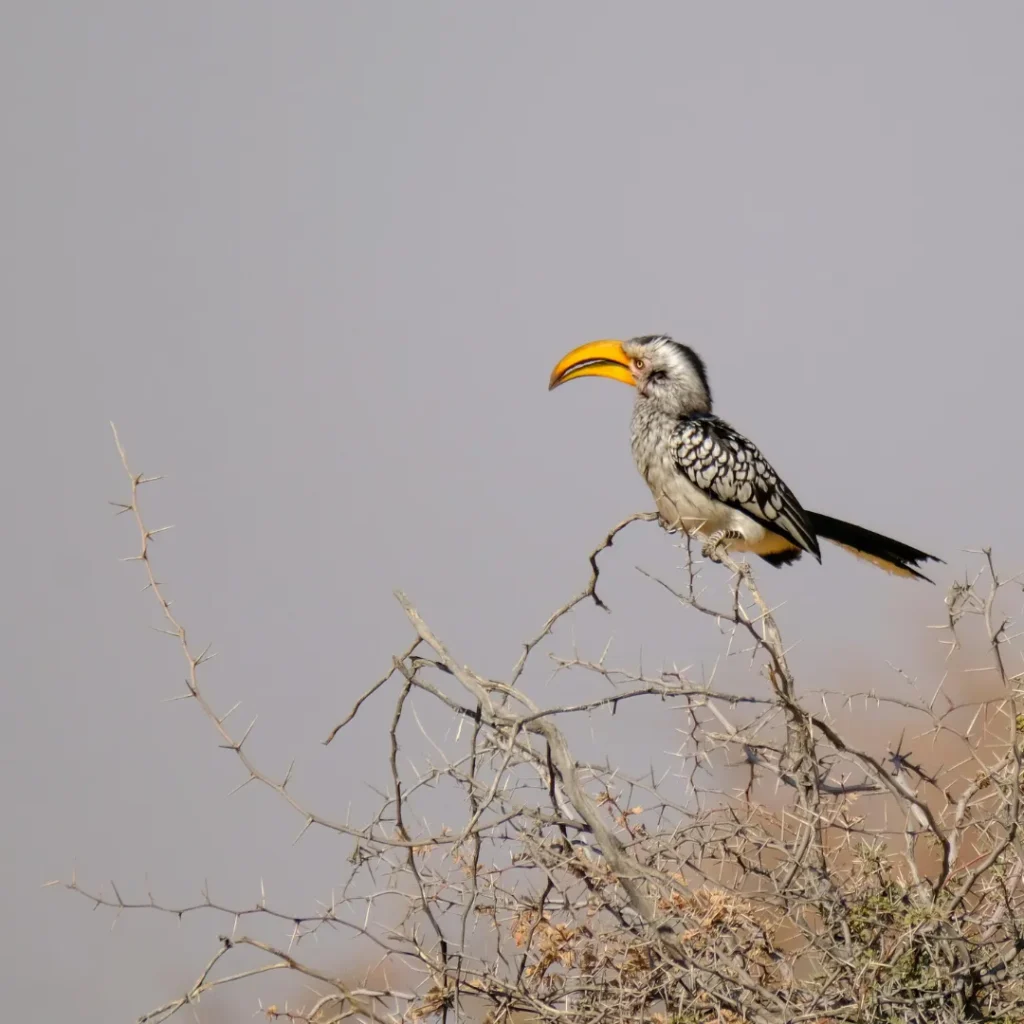
The ICTQual Level 3 Certificate in Ornithology Survey Techniques is designed to provide learners with a structured and practical understanding of bird survey methods. Learners will explore the ecological importance of birds, their behavioral patterns, and the role they play in maintaining biodiversity. The program emphasizes ethical practices and equips learners with the skills needed to conduct accurate surveys, ensuring that participants develop confidence in applying ornithological techniques responsibly.
This certificate blends theoretical knowledge with applied fieldwork, making it ideal for learners who wish to engage with ornithology at a professional or personal level. Participants will study topics such as habitat assessment, survey planning, and data collection methods, while gaining practical experience in observing and documenting bird populations. The course encourages learners to develop analytical skills, patience, and attention to detail, which are essential for successful ornithological surveys.
The ICTQual Level 3 Certificate in Ornithology Survey Techniques is structured to inspire learners to pursue their passion for birds and conservation while building practical expertise. It highlights the importance of sustainable practices, ecological awareness, and responsible research approaches. Learners will benefit from modules that encourage independent study, applied observation, and professional-level engagement with ornithology. Whether motivated by personal interest or a desire to contribute to conservation efforts, this certificate offers a valuable platform to enhance knowledge and skills in bird survey techniques.
Course Overview
Awarding Body
ICTQual AB
Duration
15 days
Study Mood
Online
Assessment
Assignments Based
Course Study Units
- Bird Behaviour and Migration Patterns
- Habitat Assessment and Conservation Principles
- Practical Field Survey Techniques
- Data Management and Statistical Basics
- Ethical and Legal Considerations in Bird Surveys

Entry Requirements
Who Can Enroll
This course is best suited for individuals who are committed to learning about birds and survey techniques.
- Birdwatching enthusiasts aiming to expand their knowledge.
- Students interested in ecology and environmental studies.
- Conservation volunteers seeking structured ornithology training.
- Hobbyists motivated by scientific curiosity and fieldwork.
- Learners wanting to strengthen observation and recording skills.
- Individuals committed to ethical and responsible wildlife practices.
Course Learning Outcomes
Bird Behaviour and Migration Patterns
- Identify key behavioural traits of different bird species in varied ecological contexts.
- Explain migration cycles and the environmental factors influencing seasonal movements.
- Interpret behavioural data to assess population health and ecological interactions.
- Apply knowledge of migration patterns to conservation planning and survey design.
Habitat Assessment and Conservation Principles
- Conduct habitat evaluations using standardized ecological assessment methods.
- Recognize the role of habitats in supporting avian diversity and population stability.
- Apply conservation principles to protect and restore bird habitats.
- Assess human impacts on ecosystems and propose sustainable management strategies.
Practical Field Survey Techniques
- Demonstrate competence in point counts, transects, and other survey methods.
- Use field equipment effectively including binoculars, GPS, and data sheets.
- Record accurate observations under varied environmental conditions.
- Apply safety and ethical practices during fieldwork activities.
Data Management and Statistical Basics
- Organize survey data using appropriate recording and storage systems.
- Apply basic statistical methods to analyze bird population trends.
- Interpret data outputs to inform conservation decisions.
- Present findings clearly through reports, charts, and visual summaries.
Ethical and Legal Considerations in Bird Surveys
- Understand ethical responsibilities in wildlife monitoring and conservation.
- Apply legal frameworks relevant to bird protection and ecological surveys.
- Recognize international standards for biodiversity monitoring and reporting.
- Demonstrate professional conduct in all aspects of ornithological fieldwork.