
ICTQual Level 5 Diploma in Mammalogy and Small Mammals Study Techniques
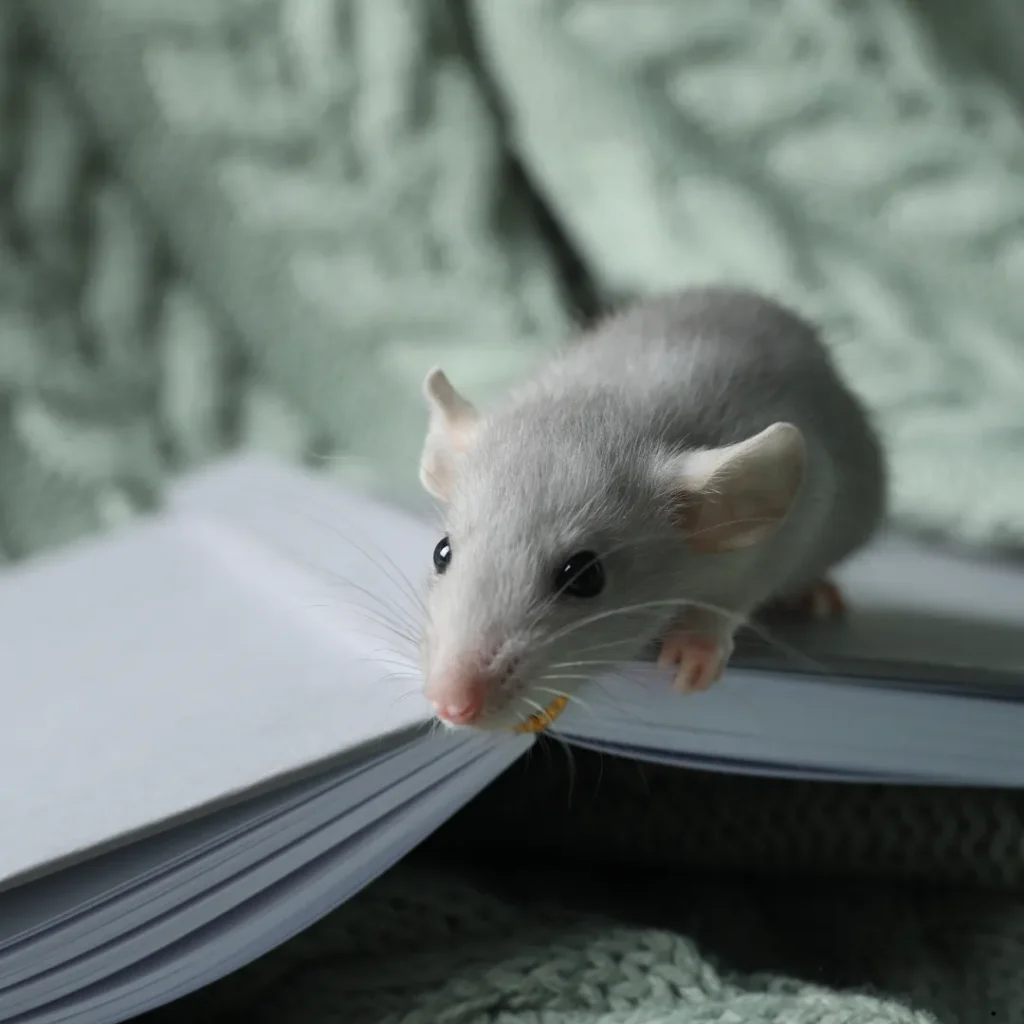
The ICTQual Level 5 Diploma in Mammalogy and Small Mammals Study Techniques is designed to provide learners with advanced knowledge and practical expertise in the study of small mammals. This diploma explores the biology, ecology, and behavior of species such as rodents, bats, and insectivores, highlighting their importance in ecosystems and conservation. Learners will gain a deeper understanding of advanced field techniques, including trapping, tracking, habitat analysis, and population monitoring.
This diploma blends theoretical learning with applied study methods, making it ideal for learners who wish to engage with mammalogy at a professional level. Participants will explore topics such as species diversity, ecological interactions, and conservation challenges, while developing analytical skills and critical thinking. The course encourages learners to apply advanced observation and recording techniques, ensuring they can document findings accurately and responsibly. By engaging with case studies and practical exercises, learners will gain valuable insights into the complexities of studying small mammals in diverse environments.
The ICTQual Level 5 Diploma in Mammalogy and Small Mammals Study Techniques is structured to inspire learners to pursue their passion for wildlife while building advanced expertise. It highlights the importance of conservation, sustainable practices, and responsible research approaches. Learners will benefit from modules that encourage independent study, applied fieldwork, and professional-level engagement with mammalogy. Whether motivated by personal interest or a desire to contribute to conservation initiatives, this diploma offers a valuable platform to enhance knowledge and skills in the study of small mammals.
Course Overview
Awarding Body
ICTQual AB
Credits
50 Credits
Study Mood
Online
Assessment
Assignments Based
Course Study Units
- Integrative Mammal Survey Approaches
- Innovations in Mammal Research Technology
- Global Conservation Strategies for Small Mammals
- Advanced Data Analysis in Mammalogy
- Leadership in Conservation Projects
- Specialist Fieldwork Project

Entry Requirements
Who Can Enroll
This diploma is best suited for individuals who are committed to advancing their knowledge of small mammals and mammalogy.
- Wildlife enthusiasts aiming for advanced expertise.
- Students with a background in biology or environmental sciences.
- Conservation volunteers seeking structured professional-level learning.
- Hobbyists motivated by scientific curiosity and ecological awareness.
- Learners wanting to strengthen research and analytical skills.
- Individuals committed to ethical and sustainable wildlife study.
Course Learning Outcomes
Integrative Mammal Survey Approaches
- Design survey frameworks that combine multiple ecological methods for comprehensive data collection.
- Apply integrative approaches such as camera trapping, acoustic monitoring, and GIS mapping.
- Evaluate the strengths and limitations of different survey techniques when used together.
- Interpret survey results to provide holistic insights into mammal populations and habitats.
- Adapt survey strategies to suit diverse ecological contexts and conservation needs.
Innovations in Mammal Research Technology
- Utilize advanced tools such as GPS tracking, drones, and bioacoustic devices in mammal research.
- Apply digital technologies to improve accuracy and efficiency in ecological monitoring.
- Assess the ethical implications of using modern technologies in wildlife studies.
- Integrate innovative methods with traditional fieldwork for enhanced research outcomes.
- Evaluate the role of technology in advancing global mammal conservation efforts.
Global Conservation Strategies for Small Mammals
- Analyze international conservation frameworks and their relevance to small mammal protection.
- Evaluate the impact of global biodiversity policies on local conservation initiatives.
- Recommend strategies that address threats such as habitat loss, climate change, and invasive species.
- Collaborate with international organizations to support cross‑border conservation projects.
- Promote sustainable practices that balance human development with mammal conservation.
Advanced Data Analysis in Mammalogy
- Apply statistical models to interpret complex ecological and behavioural data.
- Use software tools for ecological modelling, predictive analysis, and population dynamics.
- Validate data sets through error checking and reliability assessments.
- Translate analytical findings into practical conservation recommendations.
- Present data in clear formats suitable for scientific and vocational audiences.
Leadership in Conservation Projects
- Plan and manage conservation projects with clear objectives, timelines, and resource allocation.
- Lead multidisciplinary teams to achieve ecological and community‑based goals.
- Monitor project progress and evaluate outcomes against conservation targets.
- Adapt leadership strategies to respond to ecological challenges and stakeholder needs.
- Promote collaboration between communities, NGOs, and conservation agencies.
Specialist Fieldwork Project
- Design and execute an independent fieldwork project focused on mammal ecology or conservation.
- Collect, record, and analyze data using advanced field techniques.
- Apply ethical practices and safety standards during fieldwork activities.
- Produce a structured project report that communicates findings to professional audiences.
- Reflect on project outcomes to identify strengths, limitations, and future improvements.