ICTQual Level 3 Certificate in Animal Behavior and Adaptations
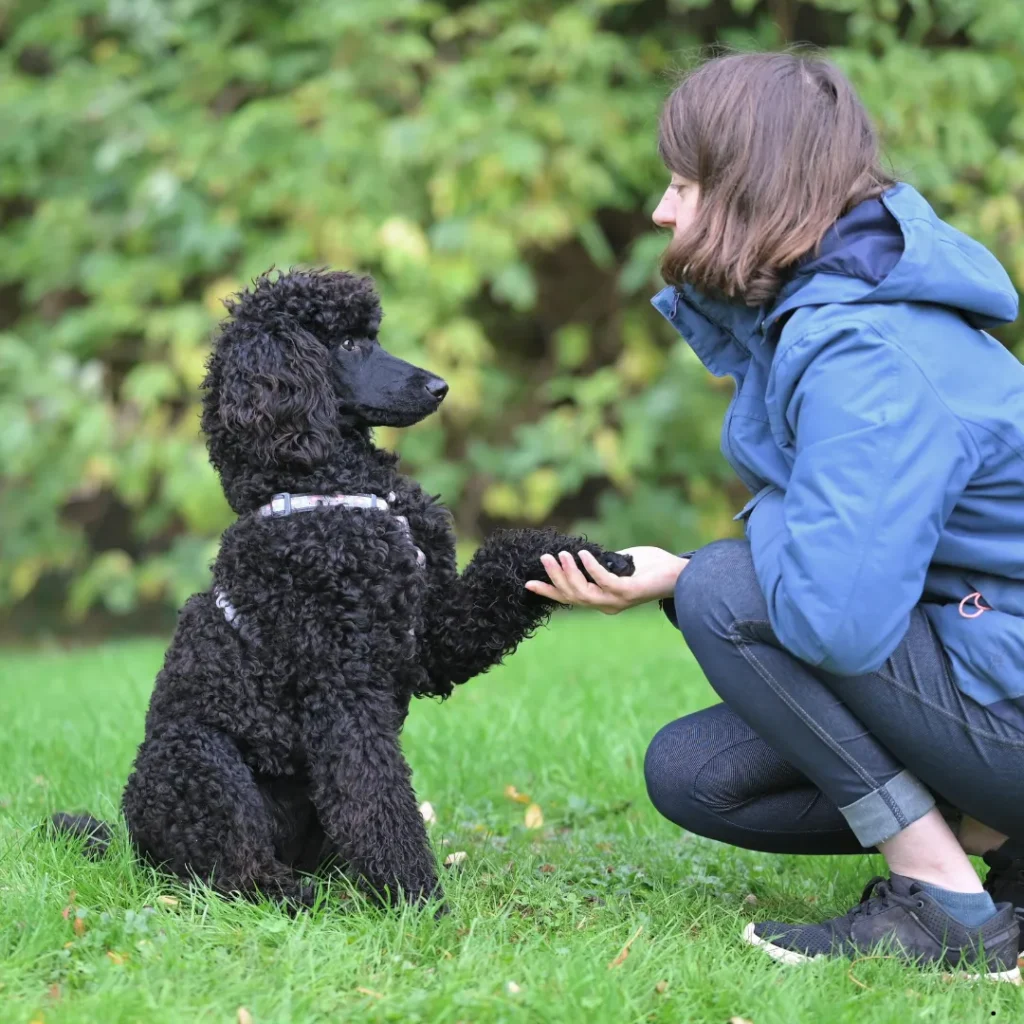
The ICTQual Level 3 Certificate in Animal Behavior and Adaptations is designed to provide learners with a structured understanding of how animals interact with their environments and adapt to survive. This course explores the principles of animal behavior, including communication, feeding, reproduction, and social structures, while highlighting the importance of adaptations in different ecosystems. Learners will gain insight into the evolutionary processes that shape animal traits and behaviors, equipping them with the knowledge to analyze and interpret the fascinating ways animals respond to environmental challenges.
This certificate blends theoretical knowledge with practical applications, making it suitable for learners who wish to explore zoology and behavioral studies in depth. Participants will study topics such as predator-prey relationships, migration, survival strategies, and the role of adaptations in maintaining biodiversity. The course encourages learners to develop analytical skills, critical thinking, and observational techniques, which are essential for understanding animal behavior. By examining case studies and real-world examples, learners will gain valuable insights into the complexity of animal life and the importance of adaptation in ecological balance.
The ICTQual Level 3 Certificate in Animal Behavior and Adaptations is structured to inspire learners to pursue their passion for wildlife and biology while building practical expertise. It highlights the importance of conservation, ecological awareness, and responsible study approaches.Whether motivated by personal interest or a desire to contribute to conservation initiatives, this certificate offers a valuable platform to enhance knowledge and skills in animal behavior and adaptations.
Course Overview
Awarding Body
ICTQual AB
Duration
15 days
Study Mood
Online
Assessment
Assignments Based
Course Study Units
- Learning and Intelligence in Animals
- Reproductive Behavior
- Territoriality and Migration
- Human Impact on Animal Behavior
- Practical Fieldwork Methods

Entry Requirements
Who Can Enroll
This certificate is best suited for individuals who are committed to learning about animal behavior and adaptations.
- Wildlife enthusiasts aiming to expand their knowledge.
- Students interested in biology and environmental sciences.
- Conservation volunteers seeking structured training.
- Hobbyists motivated by curiosity about animal life.
- Learners wanting to strengthen observation and analytical skills.
- Individuals committed to ethical and responsible wildlife study.
Course Learning Outcomes
Learning and Intelligence in Animals
- Explain different forms of animal learning, including conditioning, trial‑and‑error, and imprinting.
- Describe how intelligence influences problem‑solving and survival strategies in various species.
- Identify examples of tool use, memory, and communication as indicators of intelligence.
- Analyze the role of learning in adaptation to changing environments.
- Evaluate comparative intelligence across species and its ecological significance.
Reproductive Behavior
- Explain mating systems such as monogamy, polygamy, and promiscuity in animals.
- Describe courtship rituals and signals used to attract mates.
- Identify parental investment strategies and their impact on offspring survival.
- Analyze reproductive cycles and seasonal influences on breeding behavior.
- Evaluate the role of reproductive behavior in population dynamics.
Territoriality and Migration
- Explain the concept of territoriality and its role in resource protection.
- Describe methods animals use to establish and defend territories.
- Identify migration patterns and the environmental cues that trigger movement.
- Analyze the survival benefits of migration in different species.
- Evaluate the ecological importance of territoriality and migration in maintaining balance.
Human Impact on Animal Behavior
- Explain how urbanization, deforestation, and climate change affect animal behavior.
- Describe changes in feeding, reproduction, and migration caused by human activity.
- Identify examples of behavioral adaptation to human‑dominated environments.
- Analyze conservation challenges linked to altered animal behavior.
- Evaluate strategies to mitigate negative human impacts on wildlife.
Practical Fieldwork Methods
- Explain techniques for observing and recording animal behavior in natural habitats.
- Describe ethical considerations in conducting fieldwork with animals.
- Identify tools and methods for collecting and analyzing behavioral data.
- Apply practical skills in designing and carrying out behavioral studies.
- Evaluate the importance of fieldwork in linking theory with real‑world application.