ICTQual Level 3 Certificate in Bird Watching Techniques
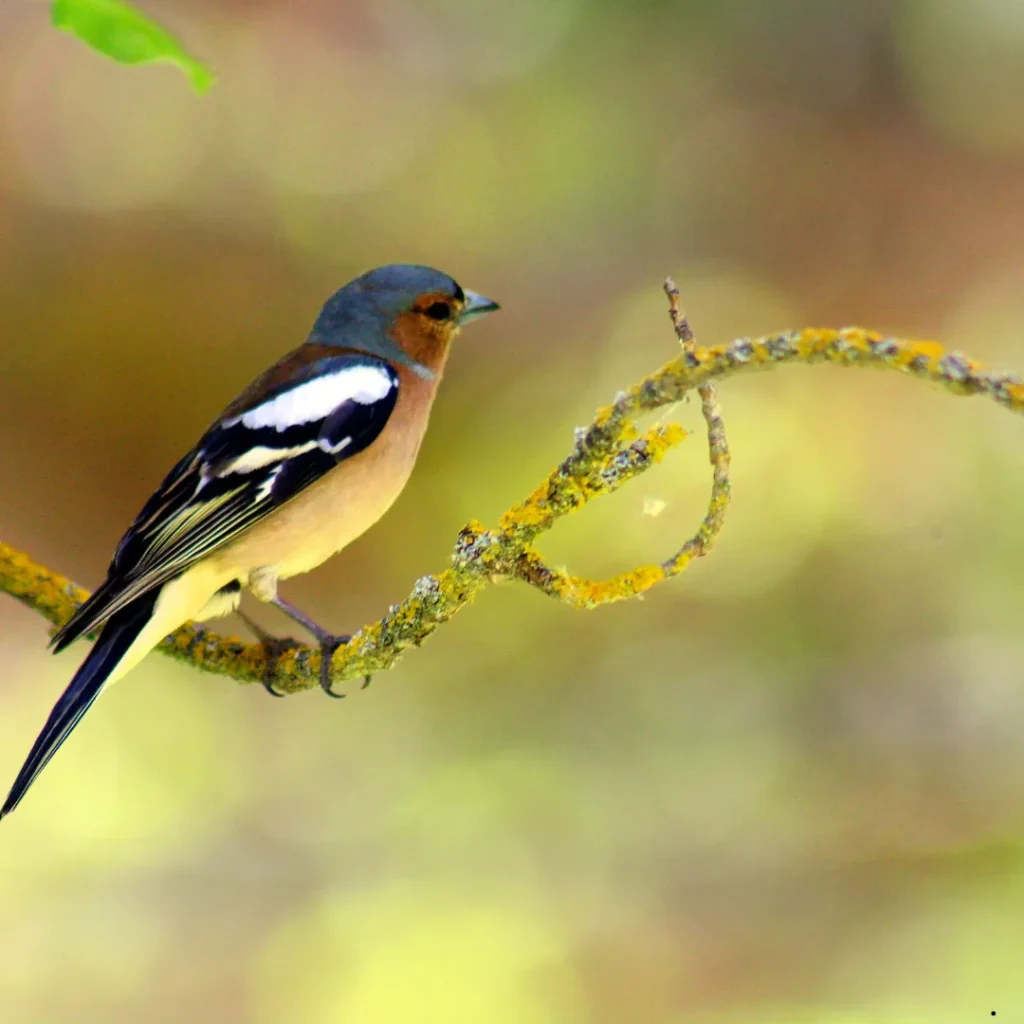
Bird watching is more than just a hobby; it is a practice that combines patience, observation, and appreciation for the natural world. The ICTQual Level 3 Certificate in Bird Watching Techniques has been designed to provide learners with a structured approach to identifying, recording, and understanding bird species in diverse environments. This course introduces learners to the fundamentals of bird behavior, habitats, and seasonal patterns, while also encouraging the development of practical skills in fieldwork and observation.
The course emphasizes both theoretical knowledge and practical application, ensuring that learners can connect classroom learning with real-world bird watching activities. Participants will explore topics such as bird identification methods, the use of field guides, and the importance of conservation awareness. Through guided study and practice, learners will develop the ability to recognize species by sight and sound, understand ecological relationships, and appreciate the role of birds in maintaining environmental balance.
In addition to technical skills, the course fosters a sense of mindfulness and environmental responsibility. The ICTQual Level 3 Certificate in Bird Watching Techniques also highlights the cultural and recreational value of bird watching, showing how it can enrich personal wellbeing and community engagement. Whether learners are pursuing bird watching for personal interest or as part of a broader appreciation of nature, this course provides a comprehensive foundation that supports lifelong enjoyment and learning.
Course Overview
Awarding Body
ICTQual AB
Duration
15 days
Study Mood
Online
Assessment
Assignments Based
Course Study Units
- Comprehensive Bird Identification
- Survey Planning and Execution
- Data Collection and Management
- Community Education and Awareness
- Ethical Bird Watching Practices

Entry Requirements
Who Can Enroll
This course is ideal for individuals who are passionate about nature and eager to develop structured bird watching skills.
- Enthusiastic about wildlife and outdoor exploration
- Interested in learning systematic observation techniques
- Motivated to improve identification skills of bird species
- Keen to understand ecological and environmental connections
- Respectful towards conservation and ethical bird watching practices
- Looking for a rewarding personal or recreational pursuit
Course Learning Outcomes
Comprehensive Bird Identification
- Identify a wide range of bird species including migratory, rare, and region‑specific birds.
- Differentiate species using advanced plumage analysis across age, season, and gender variations.
- Recognize birds by complex vocalizations including calls, songs, and alarm notes.
- Apply behavioural cues such as feeding, nesting, and flight patterns to support accurate identification.
- Use comparative techniques to distinguish between visually similar or closely related species.
Survey Planning and Execution
- Design structured bird surveys using point counts, transects, and timed observation methods.
- Plan surveys across diverse habitats ensuring ecological relevance and seasonal accuracy.
- Organize fieldwork logistics including equipment preparation, safety measures, and team coordination.
- Execute surveys systematically to ensure consistency and reliability of collected data.
- Adapt survey strategies to environmental conditions and conservation priorities.
Data Collection and Management
- Record detailed field observations with accuracy and consistency.
- Use standardized data sheets and digital tools for effective record‑keeping.
- Organize and store survey data for long‑term accessibility and analysis.
- Apply basic data analysis techniques to identify patterns in bird distribution and abundance.
- Ensure data integrity by following ethical and professional recording practices.
Community Education and Awareness
- Promote ecological awareness by linking bird watching practices to conservation education.
- Engage communities in bird watching activities to encourage participation and interest.
- Deliver simple presentations or workshops on bird identification and conservation.
- Support citizen science initiatives by guiding community members in data collection.
- Encourage sustainable practices that protect habitats and bird populations.
Ethical Bird Watching Practices
- Apply ethical principles to minimize disturbance to birds and habitats.
- Respect wildlife and natural environments during all bird watching activities.
- Follow safety guidelines to ensure responsible participation in fieldwork.
- Promote responsible use of equipment to avoid harm or disruption.
- Encourage conservation‑focused bird watching that supports biodiversity protection.