ICTQual Level 1 Award in Natural History Museum Development
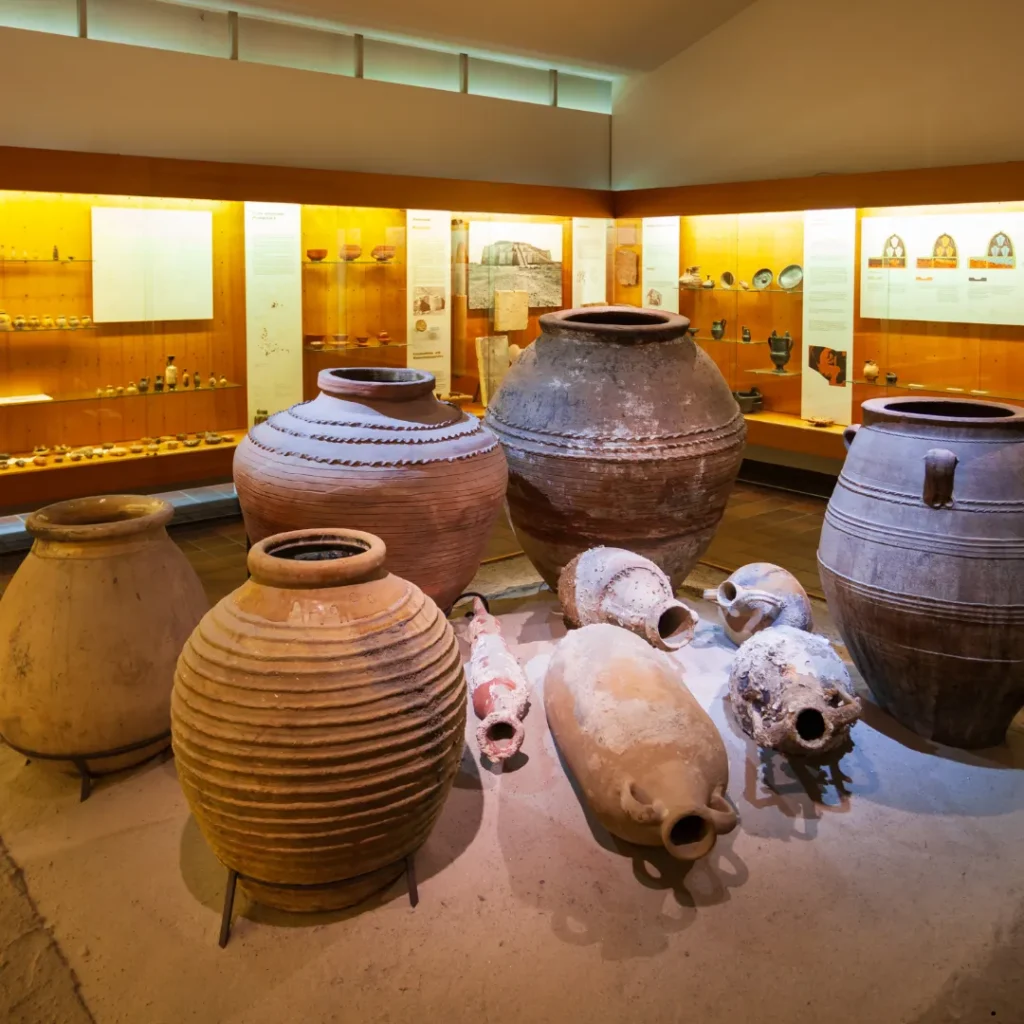
The ICTQual Level 1 Award in Natural History Museum Development is designed to introduce learners to the fascinating world of museums, heritage, and natural history. This course provides a foundation in understanding how museums operate, the importance of preserving cultural and natural artifacts, and the role museums play in education and community engagement. Learners will explore the basics of museum development, including exhibition planning, collection care, and visitor experience, while gaining an appreciation for the significance of natural history in shaping our understanding of the world.
Through a combination of guided study and practical insights, learners will be introduced to the principles of museum management and development. The course emphasizes the importance of accessibility, inclusivity, and ethical practices in museum work, ensuring that learners understand how museums can serve diverse audiences. Topics such as display techniques, storytelling through exhibits, and the integration of technology in museum spaces will be covered, giving learners a well-rounded introduction to the field.
In addition to technical knowledge, the course highlights the cultural and educational value of museums in society. Learners will discover how museums contribute to lifelong learning, community identity, and conservation of natural history. The ICTQual Level 1 Award in Natural History Museum Development encourages learners to think critically about the role of museums in modern contexts, while also inspiring them to appreciate the importance of preserving and presenting natural history for future generations. By the end of the course, learners will have developed a strong foundation in museum development principles and practices.
Course Overview
Awarding Body
ICTQual AB
Duration
1 day
Study Mood
Online
Assessment
Assignments Based
Course Study Units
- Introduction to Natural History Museums and Their Role in Society
- Basics of Collection Care and Specimen Handling
- Visitor Awareness and Educational Engagement

Entry Requirements
Who Can Enroll
This course is ideal for individuals who are curious about museums and natural history, and who want to gain introductory knowledge in museum development.
- Interested in cultural heritage and preservation
- Enthusiastic about natural history and science communication
- Keen to learn how museums engage with communities
- Motivated to explore exhibition and display techniques
- Respectful of ethical practices in museum work
- Looking for a rewarding and educational personal pursuit
Course Learning Outcomes
Introduction to Natural History Museums and Their Role in Society
- Understand the purpose and significance of natural history museums in preserving biodiversity and heritage.
- Recognize the educational, cultural, and scientific contributions of museums to communities.
- Identify the role of museums in promoting conservation and public awareness.
- Explore how museums connect society with natural history through exhibitions and outreach.
- Appreciate the importance of accessibility and inclusivity in museum development.
Basics of Collection Care and Specimen Handling
- Demonstrate safe handling techniques for natural history specimens.
- Understand basic principles of collection care, including storage and environmental monitoring.
- Identify risks to specimens such as deterioration, pests, or improper handling.
- Apply simple preservation methods to maintain specimen quality.
- Recognize ethical standards in specimen care and conservation.
Visitor Awareness and Educational Engagement
- Understand the importance of visitor experience in natural history museums.
- Explore strategies for engaging diverse audiences through displays and activities.
- Recognize the role of museums in supporting lifelong learning and community education.
- Demonstrate awareness of accessibility and inclusivity in visitor engagement.
- Appreciate how museums inspire curiosity and promote conservation awareness among visitors.