ICTQual Level 3 Certificate in Zoo Management and Animal Keeping
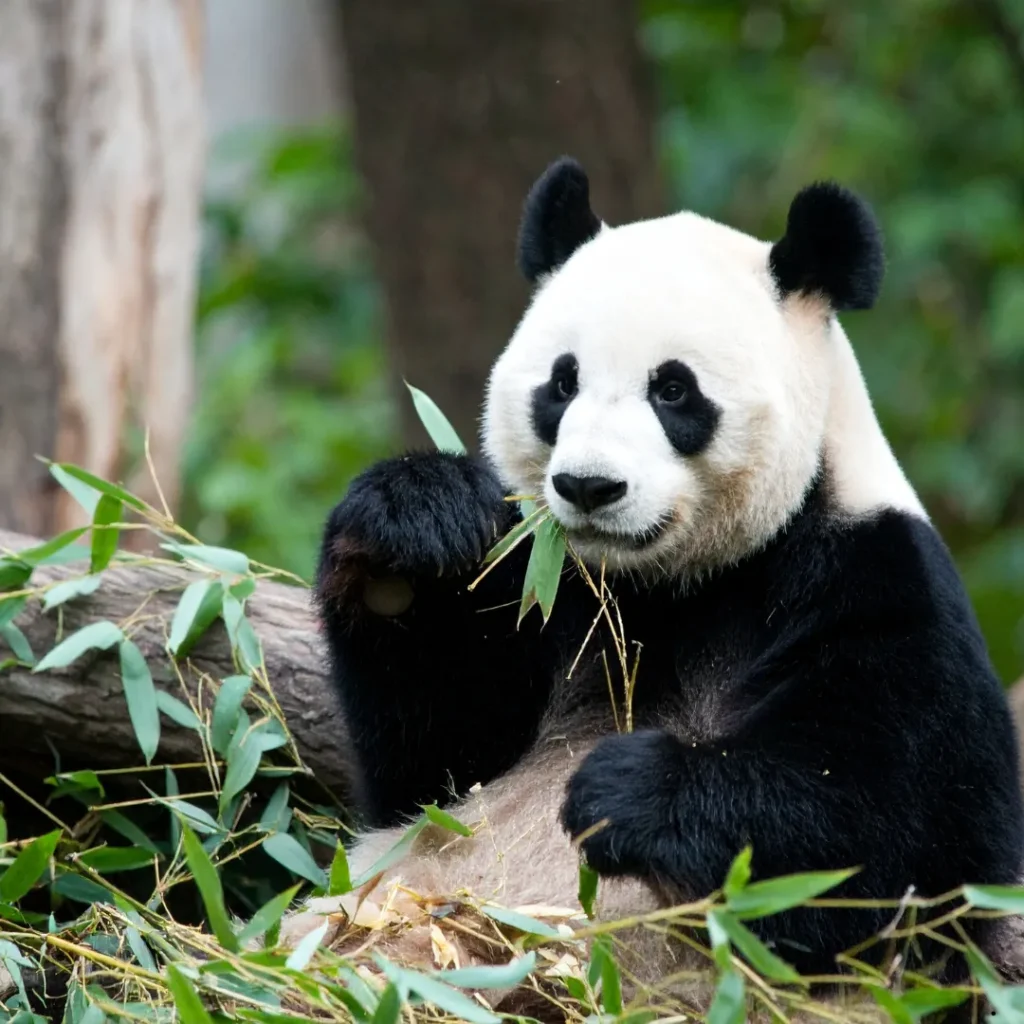
The ICTQual Level 3 Certificate in Zoo Management and Animal Keeping is designed to provide learners with a strong foundation in the principles and practices of managing zoological collections and caring for animals in a professional setting. This course introduces the essential aspects of zoo operations, including animal welfare, enclosure design, feeding regimes, and daily husbandry routines. Learners will gain a clear understanding of how zoos function as centers for education, conservation, and recreation, while also developing practical skills in animal keeping and management.
A key focus of the course is on animal welfare and ethical practices, ensuring learners understand the responsibilities involved in caring for diverse species. Topics include nutrition, health monitoring, enrichment activities, and behavioral observation, all of which contribute to maintaining high standards of care. The course also explores the role of zoos in conservation, highlighting how managed collections support breeding programs and public awareness. By combining theoretical knowledge with practical insights, learners are encouraged to adopt professional approaches to animal keeping and zoo management.
Beyond technical skills, the course emphasizes the importance of communication, teamwork, and visitor engagement in zoo environments. Learners will discover how zoos balance animal care with educational outreach, ensuring that visitors gain meaningful experiences while animals remain safe and healthy. The ICTQual Level 3 Certificate in Zoo Management and Animal Keeping inspires learners to appreciate the broader role of zoos in society, equipping them with the confidence and competence to contribute effectively to animal care and management practices.
Course Overview
Awarding Body
ICTQual AB
Duration
15 days
Study Mood
Online
Assessment
Assignments Based
Course Study Units
- Principles of Zoo Management
- Animal Welfare and Ethical Standards
- Habitat Design and Maintenance
- Record Keeping and Animal Data Management
- Conservation Awareness and Public Education

Entry Requirements
Who Can Enroll
This course is ideal for individuals who are passionate about animals and eager to learn about professional zoo management and animal keeping.
- Enthusiastic about wildlife and animal care
- Interested in zoo operations and management practices
- Keen to understand animal welfare and ethical responsibilities
- Motivated to learn about nutrition, health, and enrichment
- Respectful of conservation and educational roles of zoos
- Looking for a rewarding and structured learning experience
Course Learning Outcomes
Principles of Zoo Management
- Demonstrate understanding of the organizational structure and daily operations of zoos.
- Identify the responsibilities of zoo staff in maintaining welfare and safety standards.
- Apply basic management practices to support effective zoo operations.
- Recognize the role of zoos in conservation, education, and community engagement.
Animal Welfare and Ethical Standards
- Demonstrate knowledge of ethical principles in animal care and management.
- Identify welfare responsibilities and legal standards in captive environments.
- Apply practices that promote respect, dignity, and wellbeing for all animals.
- Recognize signs of poor welfare and take appropriate action under supervision.
Habitat Design and Maintenance
- Demonstrate understanding of enclosure design principles for different species.
- Identify features that support welfare, enrichment, and safety in captive habitats.
- Apply maintenance routines to ensure enclosures remain secure and hygienic.
- Recognize the importance of habitat design in conservation and public education.
Record Keeping and Animal Data Management
- Demonstrate skills in maintaining accurate records of animal health, feeding, and behaviour.
- Identify the importance of data management in supporting welfare and conservation goals.
- Apply basic systems for recording and reporting animal care information.
- Recognize how records contribute to research, breeding, and long‑term management.
Conservation Awareness and Public Education
- Demonstrate knowledge of the role of zoos in global conservation efforts.
- Identify effective methods for raising public awareness about wildlife protection.
- Apply communication skills to support educational talks, tours, and outreach activities.
- Recognize the importance of engaging communities in conservation and ethical zoo practices.