ICTQual Level 6 Diploma in Ichthyological Survey Techniques
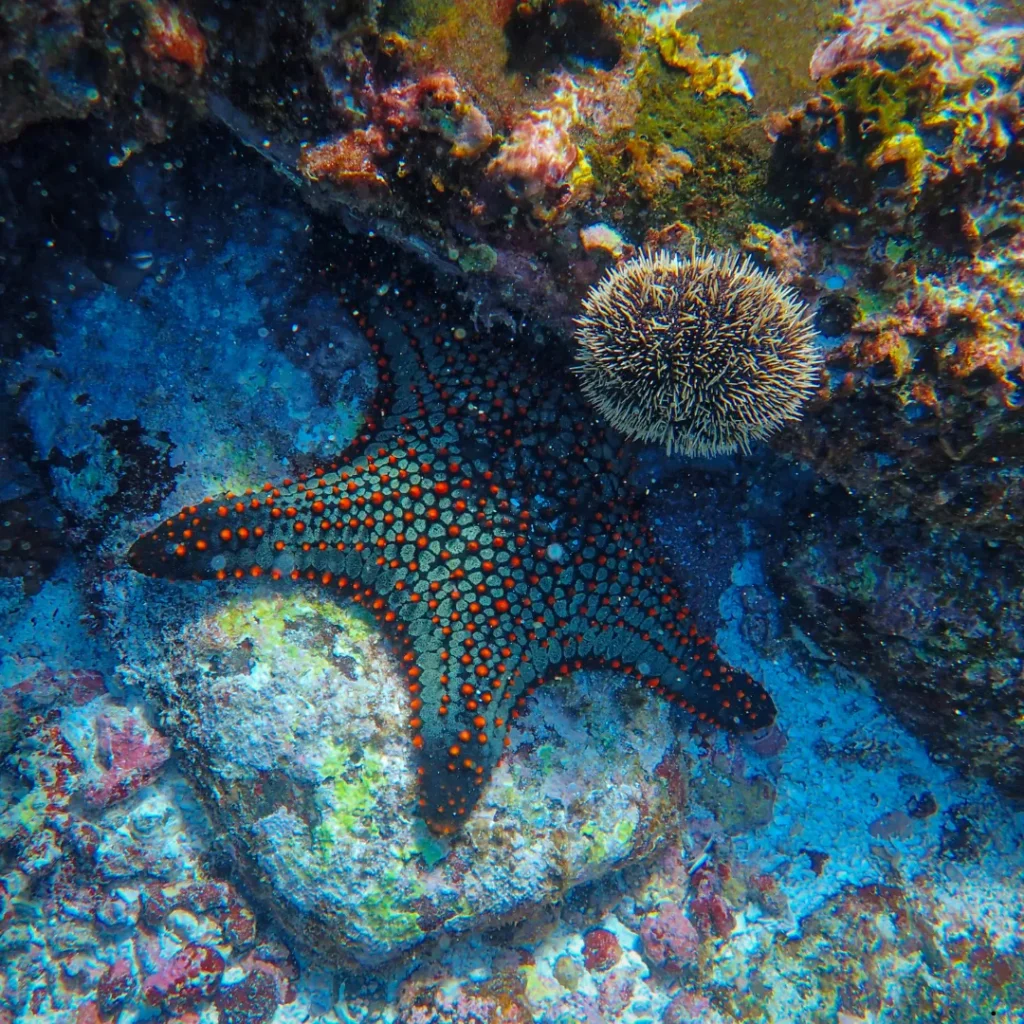
The ICTQual Level 6 Diploma in Ichthyological Survey Techniques is designed to provide learners with advanced knowledge and practical expertise in the study of fish populations and aquatic ecosystems. This course introduces learners to the principles of ichthyology, focusing on species identification, ecological roles, and the importance of fish in biodiversity. Learners will gain a strong foundation in both theoretical and applied aspects of ichthyological surveys, including sampling methods, data collection, and analysis. By combining scientific knowledge with practical fieldwork, the course ensures participants develop the skills necessary to conduct professional-level surveys in diverse aquatic environments.
A central focus of the course is on survey methodologies and ethical practices, ensuring learners understand how to engage with aquatic ecosystems responsibly. Learners will also explore the importance of conservation awareness, discovering how ichthyological surveys contribute to protecting aquatic habitats and managing fish populations sustainably. This balance of technical skills and environmental responsibility makes the course suitable for those who wish to deepen their expertise in aquatic sciences while practicing mindful and ethical research.
Beyond technical training, the course highlights the broader significance of ichthyological surveys in environmental management, fisheries science, and conservation planning. Learners will discover how fish populations serve as indicators of ecosystem health and how survey techniques contribute to sustainable resource management. The ICTQual Level 6 Diploma in Ichthyological Survey Techniques encourages participants to see ichthyology not only as a scientific discipline but as a meaningful way to support conservation and ecological balance.
Course Overview
Awarding Body
ICTQual AB
Credits
60 Credits
Study Mood
Online
Assessment
Assignments Based
Course Study Units
- Integrative Survey Approaches
- Climate Change and Fish Populations
- Advanced Statistical Modelling
- Survey Ethics and Global Standards
- Leadership in Survey Projects
- Specialist Dissertation

Entry Requirements
Who Can Enroll
This course is ideal for individuals who are passionate about aquatic ecosystems and eager to develop advanced survey skills in ichthyology.
- Enthusiastic about fish biology and aquatic science
- Interested in ecological survey and conservation practices
- Keen to learn advanced sampling and data analysis techniques
- Motivated to contribute to sustainable fisheries and habitat management
- Respectful of ethical and environmental responsibilities in fieldwork
- Looking for a rewarding and professional-level learning experience
Course Learning Outcomes
Integrative Survey Approaches
- Learners will design surveys that integrate multiple ecological, genetic, and technological methods.
- Learners will evaluate the effectiveness of combining traditional and modern survey techniques.
- Learners will apply interdisciplinary approaches to enhance aquatic biodiversity monitoring.
- Learners will critically assess integrative frameworks for large‑scale ecological projects.
- Learners will demonstrate advanced skills in adapting survey methods to diverse environments.
Climate Change and Fish Populations
- Learners will analyze the impacts of climate change on fish distribution and population dynamics.
- Learners will evaluate ecological data to identify long‑term climate‑related trends.
- Learners will design adaptive strategies for monitoring vulnerable species.
- Learners will assess conservation measures addressing climate‑driven challenges in aquatic ecosystems.
- Learners will apply predictive modelling to forecast population changes under climate scenarios.
Advanced Statistical Modelling
- Learners will apply complex statistical models to interpret ecological and population data.
- Learners will evaluate the reliability of advanced modelling techniques in ichthyological surveys.
- Learners will integrate quantitative data into predictive ecological frameworks.
- Learners will present statistical findings using professional visualization tools.
- Learners will critically assess limitations and assumptions in advanced modelling approaches.
Survey Ethics and Global Standards
- Learners will evaluate ethical principles guiding ichthyological surveys and conservation practices.
- Learners will apply international standards and legal frameworks to survey projects.
- Learners will assess case studies highlighting ethical dilemmas in aquatic research.
- Learners will promote transparency, accountability, and sustainability in survey practices.
- Learners will demonstrate compliance with global codes of conduct in fisheries management.
Leadership in Survey Projects
- Learners will design and manage complex ichthyological survey projects at national and international levels.
- Learners will demonstrate leadership skills in coordinating multidisciplinary teams.
- Learners will apply project management techniques to ensure efficiency and accuracy.
- Learners will evaluate stakeholder engagement strategies for successful project outcomes.
- Learners will promote innovation and collaboration in survey leadership.
Specialist Dissertation
- Learners will design and execute an independent dissertation project in ichthyological survey techniques.
- Learners will apply advanced methodologies to collect, analyze, and interpret ecological data.
- Learners will produce a comprehensive dissertation report with professional recommendations.
- Learners will critically evaluate research outcomes and propose future directions.
- Learners will demonstrate originality, independence, and professional competence in specialist research.