ICTQual Level 2 Award in Natural Resources Management
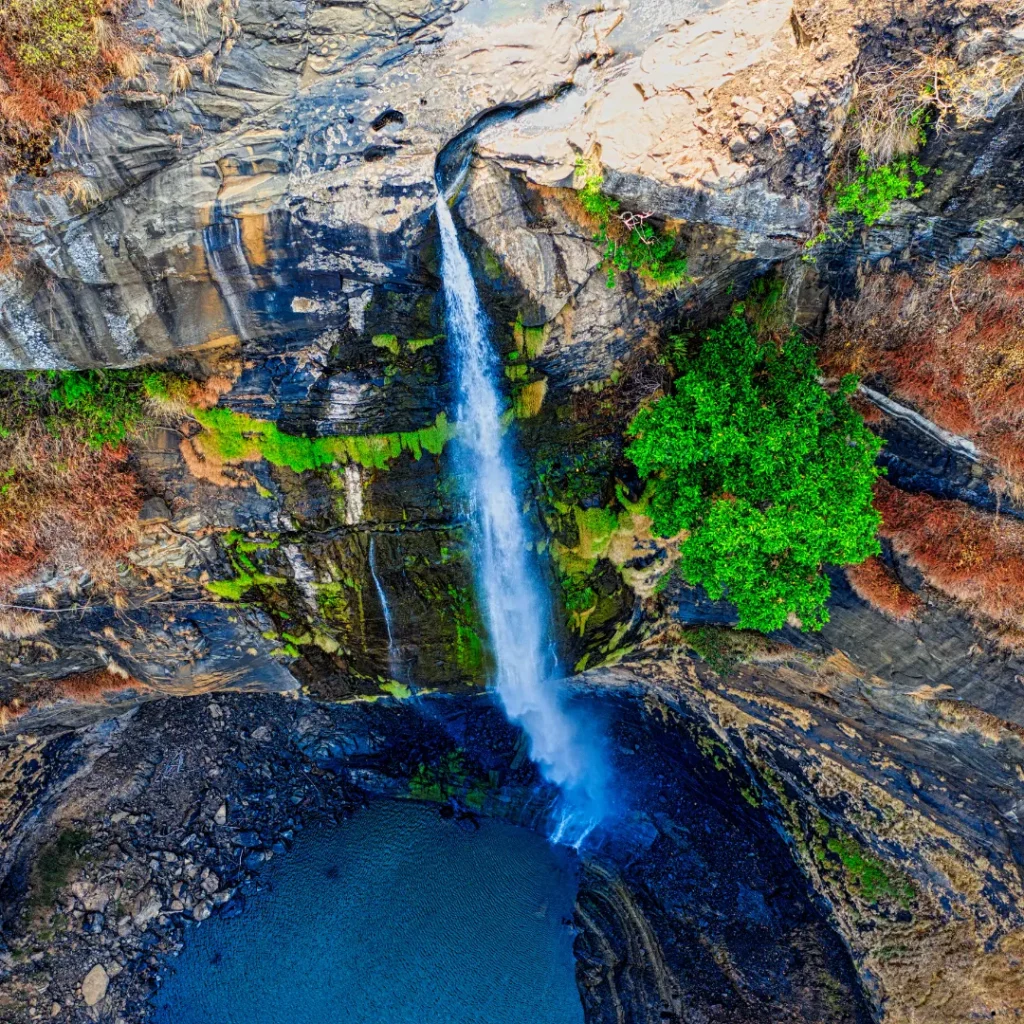
The ICTQual Level 2 Award in Natural Resources Management is designed to provide learners with a foundational understanding of how natural resources are managed, conserved, and utilized responsibly. This award introduces the principles of sustainable resource use, focusing on areas such as water, soil, forests, and minerals. Learners will explore the importance of balancing human needs with environmental protection, gaining insights into the challenges and opportunities in managing natural resources effectively.
The program emphasizes practical knowledge and accessible learning, making it suitable for beginners who are new to environmental studies. Learners will be guided through essential topics such as resource conservation, environmental impacts, and community involvement in sustainable practices. By engaging with case studies and introductory projects, participants will develop confidence in applying basic management techniques to real-world situations, from local community initiatives to broader environmental contexts.
This award also highlights ethical responsibility, sustainability, and the role of individuals in supporting resource management. Learners will be encouraged to adopt responsible approaches when working with natural resources, ensuring their skills contribute positively to environmental stewardship and community development. By the end of the course, participants will have a clear understanding of the importance of natural resources management and be prepared to apply their knowledge in academic, professional, or volunteer settings.
Course Overview
Awarding Body
ICTQual AB
Duration
2 days
Study Mood
Online
Assessment
Assignments Based
Course Study Units
- Global perspectives on natural resources
- Basic tools for resource planning and monitoring
- Community engagement and sustainable practices

Entry Requirements
Who Can Enroll
This award is suited for individuals who are curious about environmental sustainability and motivated to learn the basics of resource management.
- Students interested in environmental studies and sustainability
- Volunteers in community or conservation projects
- Entry-level professionals in agriculture or resource management
- Individuals aiming to support local environmental initiatives
- Hobbyists passionate about protecting natural resources
- Learners motivated by ethical responsibility and sustainable practices
Course Learning Outcomes
Global Perspectives on Natural Resources
- Understand the global distribution and importance of renewable and non‑renewable resources.
- Recognise international challenges such as climate change, deforestation, and water scarcity.
- Analyse how different regions approach sustainable resource management.
- Appreciate the role of global organisations and agreements in resource governance.
- Compare local practices with international standards to identify best approaches.
- Develop awareness of how global resource issues impact local communities and industries.
Basic Tools for Resource Planning and Monitoring
- Gain familiarity with simple methods for tracking and assessing resource use.
- Understand the importance of data collection in effective resource management.
- Apply basic planning techniques to ensure efficient and sustainable resource allocation.
- Explore introductory tools such as mapping, checklists, and monitoring frameworks.
- Recognise how technology supports resource planning and environmental monitoring.
- Build confidence in using practical approaches to manage resources responsibly.
Community Engagement and Sustainable Practices
- Understand the role of communities in promoting sustainable resource use.
- Recognise how local participation strengthens conservation and management efforts.
- Explore strategies for involving stakeholders in decision‑making processes.
- Analyse examples of successful community‑based sustainability initiatives.
- Develop communication skills to encourage responsible practices within communities.
- Appreciate the link between community engagement and long‑term environmental outcomes.