ICTQual Level 6 Diploma in Ornithology Survey Techniques
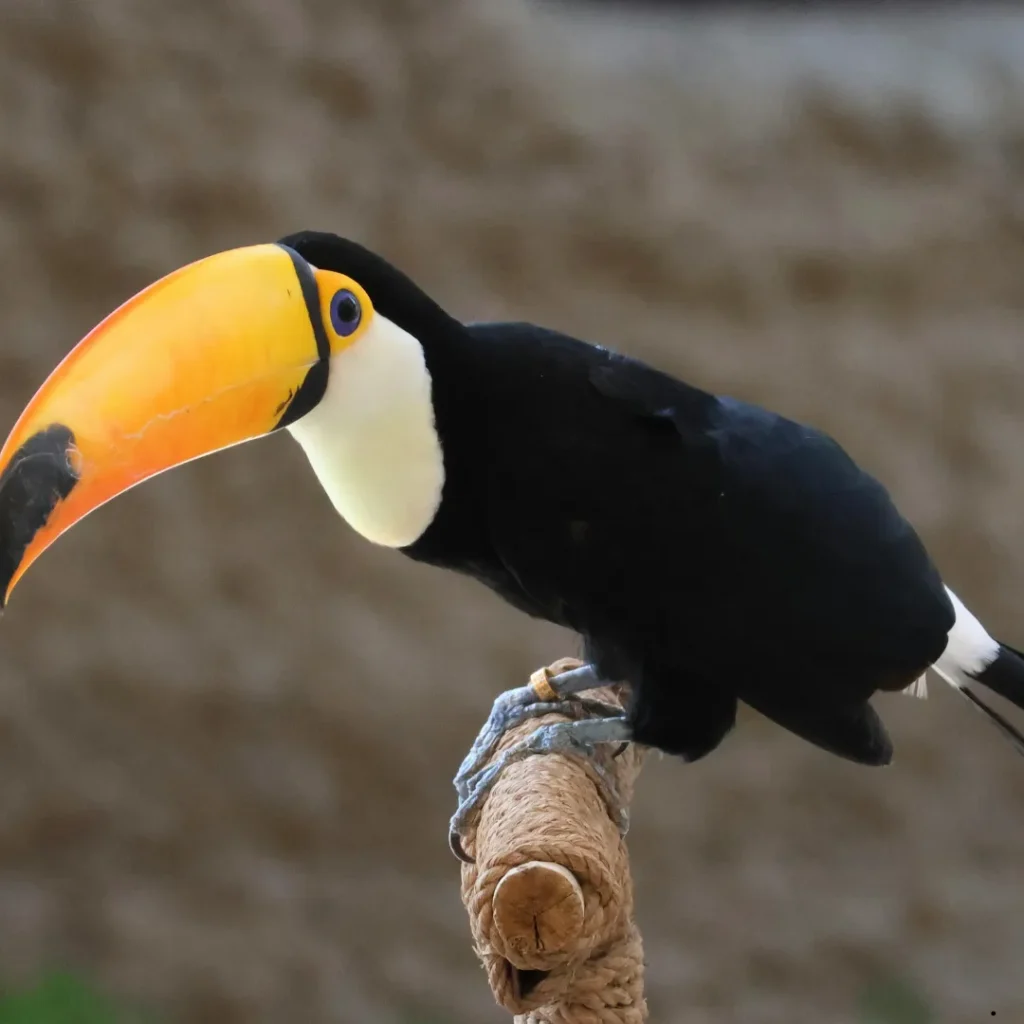
The ICTQual Level 6 Diploma in Ornithology Survey Techniques is an advanced program designed to provide learners with the knowledge and skills required to study bird populations and their habitats in a professional context. This diploma explores the principles of ornithological surveys, focusing on accurate data collection, species identification, and ecological analysis. Learners will gain both theoretical understanding and practical expertise, preparing them to conduct surveys that contribute to conservation, research, and environmental management.
The course emphasizes the importance of applying scientific methods to bird monitoring and habitat assessment. Learners will engage with topics such as survey design, fieldwork techniques, population dynamics, and the use of modern technologies in ornithology. Through case studies and applied projects, participants will develop the ability to critically evaluate survey results and apply findings to real-world conservation challenges. This ensures that learners not only understand the science but also the practical implications of their work.
This diploma also highlights ethical responsibility, sustainability, and the role of ornithological surveys in supporting biodiversity protection. Learners will be encouraged to adopt responsible approaches that minimize disturbance to birds and ecosystems while promoting awareness of conservation. By the end of the program, participants will have the confidence and competence to contribute meaningfully to ornithological research, conservation initiatives, and environmental consultancy projects.
Course Overview
Awarding Body
ICTQual AB
Credits
60 Credits
Study Mood
Online
Assessment
Assignments Based
Course Study Units
- Integrative Survey Methodologies for Complex Ecosystems
- Innovations in Ornithological Survey Technology
- Global Conservation Strategies for Avian Biodiversity
- Advanced Molecular and Genetic Applications in Ornithology
- Strategic Leadership and Policy Development
- Independent Specialist Dissertation in Ornithology

Entry Requirements
Who Can Enroll
This diploma is suited for individuals who are passionate about birds, conservation, and ecological research.
- Ornithologists seeking advanced survey skills
- Conservationists working on biodiversity projects
- Environmental consultants and wildlife managers
- Researchers in ecology and zoology
- Volunteers with experience in bird monitoring or conservation
- Learners motivated by sustainability and scientific innovation
Course Learning Outcomes
Integrative Survey Methodologies for Complex Ecosystems
- Apply integrative survey approaches combining ecological, behavioural, and environmental data for complex ecosystems.
- Design multi‑scale surveys that capture interactions between bird populations and diverse habitats.
- Evaluate ecosystem dynamics using interdisciplinary frameworks and advanced monitoring techniques.
- Adapt methodologies to address challenges in fragmented, urban, or climate‑impacted ecosystems.
Innovations in Ornithological Survey Technology
- Utilize cutting‑edge technologies such as drones, satellite imaging, and automated acoustic monitoring.
- Integrate digital platforms for real‑time data collection, storage, and analysis.
- Assess the effectiveness of new tools in improving survey accuracy and efficiency.
- Apply innovative methods to expand monitoring capacity across remote and inaccessible habitats.
Global Conservation Strategies for Avian Biodiversity
- Interpret international conservation frameworks and agreements impacting avian biodiversity.
- Develop strategies to align local projects with global biodiversity goals.
- Evaluate conservation initiatives for effectiveness in protecting migratory and endangered species.
- Collaborate internationally to address cross‑border challenges in bird conservation.
Advanced Molecular and Genetic Applications in Ornithology
- Apply molecular techniques such as DNA barcoding and genetic sequencing in ornithological research.
- Interpret genetic data to understand population diversity, migration, and evolutionary trends.
- Evaluate ethical considerations in genetic sampling and conservation applications.
- Integrate molecular findings into broader ecological and conservation strategies.
Strategic Leadership and Policy Development
- Demonstrate leadership skills in managing large‑scale ornithological and conservation projects.
- Influence policy development through evidence‑based recommendations and advocacy.
- Coordinate stakeholder engagement to build collaborative conservation networks.
- Evaluate governance structures and their impact on ornithological research and biodiversity protection.
Independent Specialist Dissertation in Ornithology
- Design and execute an independent research project addressing advanced ornithological questions.
- Apply rigorous methodologies in data collection, analysis, and interpretation.
- Produce a professional dissertation contributing to scientific knowledge and conservation practice.
- Present findings effectively to academic, professional, and public audiences.