ICTQual Level 2 Award in Animal Behavior and Adaptations
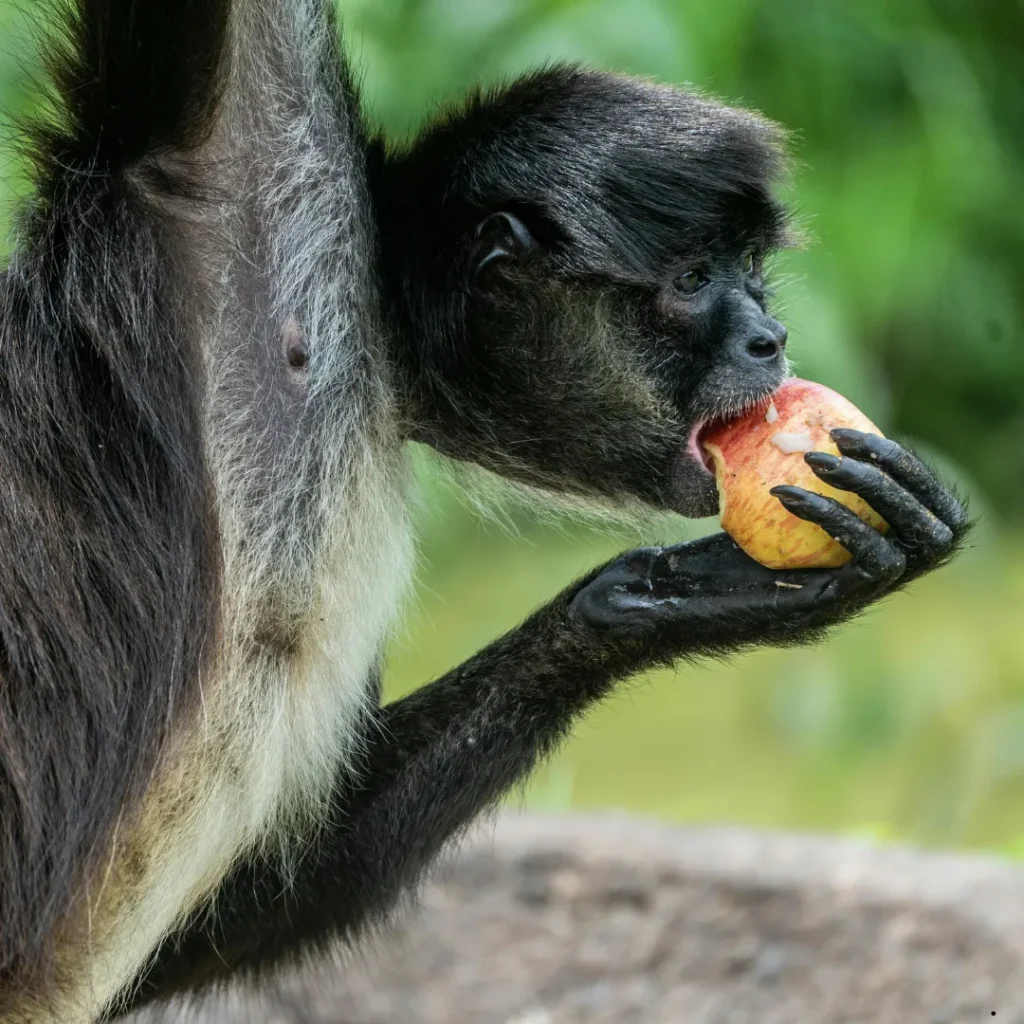
The ICTQual Level 2 Award in Animal Behavior and Adaptations is designed to introduce learners to the fascinating world of animal survival strategies and behavioral patterns. This course explores how animals interact with their environment, adapt to changing conditions, and develop behaviors that ensure their survival. Learners will gain a strong foundation in understanding the relationship between behavior, adaptation, and ecological balance, making the subject both engaging and practically relevant.
Through structured modules, participants will study both behavioral and physical adaptations across a variety of species, connecting theoretical knowledge with real-world examples. The course emphasizes practical applications, encouraging learners to critically analyze how animals respond to environmental challenges and adapt to ensure their survival. Case studies and examples of observable animal behaviors are used to highlight the importance of adaptation in maintaining biodiversity, while learners are guided to appreciate the complexity of ecological balance and the interconnectedness of species.
This award is particularly suited to individuals passionate about animal care, wildlife conservation, and ecological studies. It equips learners with the skills to understand animal behavior in depth, interpret survival strategies, and apply this knowledge in contexts such as conservation projects, animal welfare, and personal study. By completing the program, participants will develop a strong appreciation for the natural world and the role adaptation plays in sustaining life, while gaining practical insights that can be applied in both professional and personal settings.
Course Overview
Awarding Body
ICTQual AB
Duration
2 days
Study Mood
Online
Assessment
Assignments Based
Course Study Units
- Habitats and Survival Strategies
- Communication in Animals
- Seasonal and Daily Rhythms

Entry Requirements
Who Can Enroll
This course is ideal for individuals who are curious about animal behavior and motivated to understand how species adapt to their environments.
- Students interested in biology and ecology.
- Animal care enthusiasts seeking foundational knowledge.
- Wildlife volunteers aiming to enhance their skills.
- Learners passionate about conservation and biodiversity.
- Individuals exploring careers in animal welfare.
- Nature lovers eager to study survival strategies.
Course Learning Outcomes
Habitats and Survival Strategies
- Explain how different habitats influence animal survival and adaptation.
- Identify examples of animals adapted to deserts, forests, and aquatic environments.
- Describe how resources within habitats affect feeding, shelter, and reproduction.
- Recognize threats to survival caused by environmental changes and human activity.
Communication in Animals
- Identify visual, auditory, and chemical signals used by animals to communicate.
- Describe examples of communication within social groups and between species.
- Explain how communication supports survival, reproduction, and group coordination.
- Distinguish between simple and complex communication systems across species.
Seasonal and Daily Rhythms
- Explain migration as a seasonal survival strategy in response to environmental changes.
- Describe hibernation and its role in conserving energy during harsh conditions.
- Identify species that adapt their behavior to seasonal cycles.
- Define circadian rhythms and explain nocturnal and diurnal activity patterns.
- Analyze how daily rhythms influence feeding, movement, and social interaction.