ICTQual Level 4 Diploma in Zoo Management and Animal Keeping
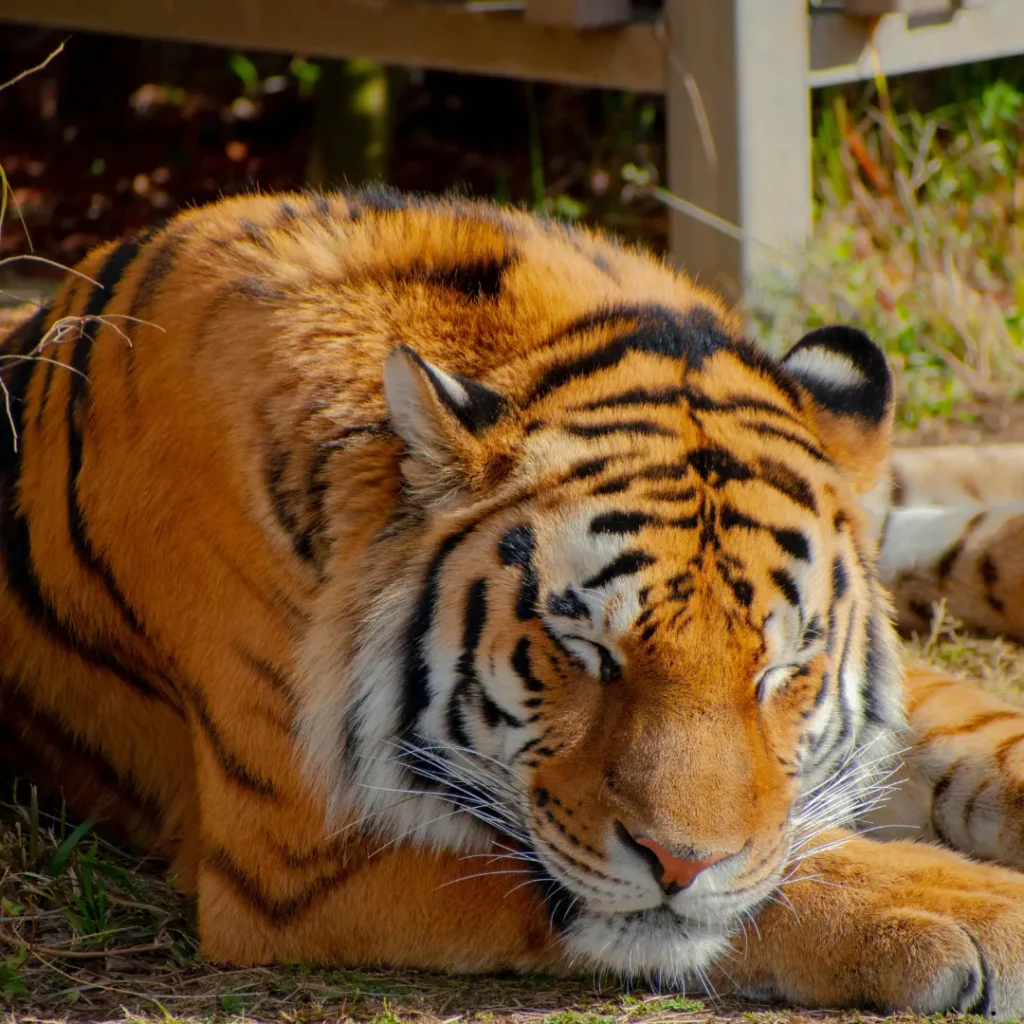
The ICTQual Level 4 Diploma in Zoo Management and Animal Keeping is an advanced program designed to provide learners with in-depth knowledge and practical skills required to manage zoological facilities and ensure the highest standards of animal care. This course explores the complexities of zoo operations, focusing on leadership, ethical management, and conservation practices. Learners will gain a strong understanding of the responsibilities involved in overseeing animal welfare, staff management, and visitor engagement, while also appreciating the role of zoos in global biodiversity preservation.
Through structured modules, participants will study advanced topics such as animal nutrition, veterinary coordination, habitat design, enrichment programs, and health monitoring systems. The course emphasizes practical applications, encouraging learners to connect theoretical knowledge with real-world challenges faced in zoological institutions. Case studies and examples of best practices are used to highlight how effective management strategies can improve animal welfare, enhance visitor experiences, and support conservation goals. Learners will also explore the importance of research and education in strengthening the role of zoos as centers for learning and sustainability.
This diploma is particularly valuable for individuals passionate about animal care, conservation, and organizational leadership. It equips learners with the skills to critically analyze zoo operations, implement effective animal keeping practices, and contribute meaningfully to projects that promote ethical and sustainable management. By completing the program, participants will be prepared to take on leadership roles in zoo management, animal care, and conservation initiatives, ensuring they can make a lasting impact in the field of zoological services.
Course Overview
Awarding Body
ICTQual AB
Credits
40 Credits
Study Mood
Online
Assessment
Assignments Based
Course Study Units
- Zoo Operations and Resource Management
- Advanced Animal Nutrition and Feeding Strategies
- Captive Breeding Principles
- Environmental Sustainability in Zoos
- Animal Welfare Auditing and Compliance
- Community Engagement and Conservation Education

Entry Requirements
Who Can Enroll
This course is ideal for individuals motivated by animal welfare, conservation, and leadership in zoological settings.
- Aspiring zoo managers seeking advanced skills.
- Experienced animal keepers aiming to progress further.
- Conservation volunteers interested in structured training.
- Students passionate about wildlife and biodiversity.
- Staff working in sanctuaries or zoological parks.
- Individuals committed to ethical and sustainable animal care.
Course Learning Outcomes
Zoo Operations and Resource Management
- Demonstrate advanced knowledge of daily zoo operations and staff coordination.
- Apply resource management strategies to optimize animal care and facility efficiency.
- Identify methods for budgeting, scheduling, and allocation of zoo resources.
- Recognize the importance of compliance with operational policies and safety standards.
- Evaluate the effectiveness of zoo operations in supporting welfare and conservation goals.
Advanced Animal Nutrition and Feeding Strategies
- Demonstrate expertise in designing species‑specific feeding plans and nutrition programs.
- Apply advanced knowledge of dietary requirements for diverse captive species.
- Identify nutritional deficiencies and implement corrective feeding strategies.
- Recognize the role of nutrition in promoting health, welfare, and breeding success.
- Evaluate feeding practices for sustainability and efficiency in zoo environments.
Captive Breeding Principles
- Demonstrate understanding of genetic diversity and breeding program management.
- Apply principles of captive breeding to support conservation and species survival.
- Identify ethical considerations in breeding practices and population control.
- Recognize the importance of record keeping in breeding and lineage tracking.
- Evaluate breeding outcomes to improve future conservation strategies.
Environmental Sustainability in Zoos
- Demonstrate knowledge of sustainable practices in zoo operations and habitat design.
- Apply strategies to reduce waste, energy use, and environmental impact.
- Identify methods for integrating renewable resources into zoo facilities.
- Recognize the importance of sustainability in long‑term conservation goals.
- Evaluate zoo practices for compliance with environmental sustainability standards.
Animal Welfare Auditing and Compliance
- Demonstrate skills in conducting welfare audits and compliance checks.
- Apply ethical standards and legal frameworks to animal care practices.
- Identify indicators of welfare concerns and recommend corrective actions.
- Recognize the importance of transparent reporting in welfare compliance.
- Evaluate welfare auditing processes to ensure continuous improvement.
Community Engagement and Conservation Education
- Demonstrate effective communication skills for engaging diverse audiences.
- Apply strategies to raise public awareness of conservation and ethical zoo practices.
- Identify methods for designing educational programs and outreach activities.
- Recognize the importance of community involvement in conservation success.
- Evaluate the impact of education initiatives on visitor engagement and biodiversity protection.