ICTQual Level 6 Diploma in Wildlife Photography Field Techniques
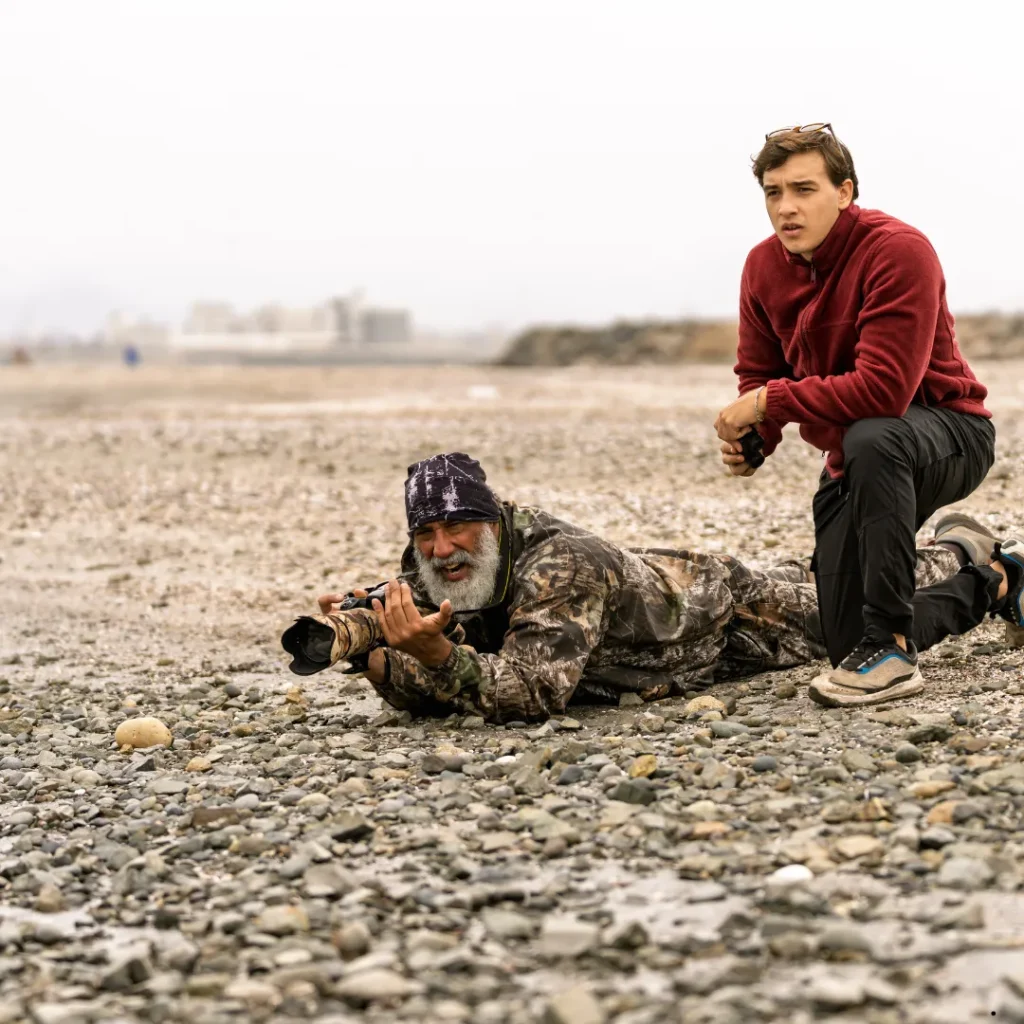
The ICTQual Level 6 Diploma in Wildlife Photography Field Techniques is an advanced program designed for learners who wish to master the art and science of capturing wildlife in its natural environment. This course explores the technical, creative, and ethical aspects of wildlife photography, providing a comprehensive understanding of how to document animals and ecosystems with accuracy and artistry. Learners will gain insight into advanced camera handling, composition, lighting, and field techniques that allow them to produce professional-quality images while respecting the integrity of wildlife and habitats.
Through structured modules, participants will study specialized topics such as tracking and observing animals, working in diverse environments, and adapting to challenging field conditions. The course emphasizes practical applications, encouraging learners to connect theoretical knowledge with real-world fieldwork. Case studies and examples of professional wildlife photographers are used to highlight how effective techniques can result in powerful imagery that supports conservation, education, and storytelling. Learners will also explore the role of photography in raising awareness about biodiversity and environmental issues.
This diploma is particularly valuable for individuals passionate about wildlife, conservation, and photography. It equips learners with the skills to critically analyze photographic techniques, apply advanced field practices, and contribute meaningfully to projects that promote ecological awareness. By completing the program, participants will be prepared to take on professional roles in wildlife photography, conservation communication, and environmental media, ensuring they can make a lasting impact through their work.
Course Overview
Awarding Body
ICTQual AB
Credits
60 Credits
Study Mood
Online
Assessment
Assignments Based
Course Study Units
- Strategic Use of Wildlife Photography in Policy and Advocacy
- Advanced Research and Analytical Methods in Wildlife Imaging
- Data Analytics and Image Interpretation for Conservation Studies
- International Case Studies in Wildlife Photography Projects
- Wildlife Economics and Sustainable Resource Documentation
- Strategic Planning and Management of Photography Programs

Entry Requirements
Who Can Enroll
This course is ideal for individuals motivated by wildlife conservation and professional photography, and who wish to refine their field techniques.
- Aspiring wildlife photographers seeking advanced skills.
- Conservationists aiming to document biodiversity.
- Media professionals interested in environmental storytelling.
- Students passionate about ecology and visual communication.
- Volunteers working in conservation projects.
- Individuals committed to ethical and sustainable wildlife photography.
Course Learning Outcomes
Strategic Use of Wildlife Photography in Policy and Advocacy
- Apply wildlife photography as a tool to influence conservation policies and advocacy campaigns
- Demonstrate the ability to create impactful imagery that supports biodiversity protection and awareness initiatives
- Evaluate the role of photography in shaping public opinion and environmental decision‑making
- Collaborate with policymakers, NGOs, and advocacy groups to integrate photography into conservation strategies
Advanced Research and Analytical Methods in Wildlife Imaging
- Apply advanced research methodologies to wildlife photography projects with scientific rigor
- Demonstrate the ability to design, conduct, and document research using photographic evidence
- Utilize analytical frameworks to interpret ecological data captured through images
- Evaluate the contribution of wildlife imaging to conservation science and academic studies
Data Analytics and Image Interpretation for Conservation Studies
- Apply data analytics tools to interpret large collections of wildlife images for conservation purposes
- Demonstrate proficiency in metadata management, image classification, and ecological pattern recognition
- Utilize statistical and digital methods to support biodiversity monitoring and habitat assessment
- Evaluate the role of image‑based data in guiding conservation strategies and resource management
International Case Studies in Wildlife Photography Projects
- Apply lessons from global wildlife photography projects to local and regional conservation initiatives
- Demonstrate adaptability in diverse cultural, ecological, and geographic contexts
- Analyze international case studies to identify best practices in conservation photography
- Evaluate the impact of global collaborations on biodiversity awareness and sustainable development
Wildlife Economics and Sustainable Resource Documentation
- Apply wildlife photography to document sustainable resource use and economic impacts on ecosystems
- Demonstrate the ability to capture images that highlight the relationship between wildlife and local economies
- Utilize photography to support eco‑tourism, community livelihoods, and conservation funding initiatives
- Evaluate the role of wildlife economics in shaping conservation priorities and sustainable practices
Strategic Planning and Management of Photography Programs
- Apply project management principles to design and implement large‑scale wildlife photography programs
- Demonstrate effective planning, logistics, and risk management for international field projects
- Utilize leadership skills to coordinate teams, resources, and conservation partners
- Evaluate program outcomes in relation to conservation goals, professional standards, and global impact