ICTQual Level 3 Certificate in Wildlife Population Assessment Techniques
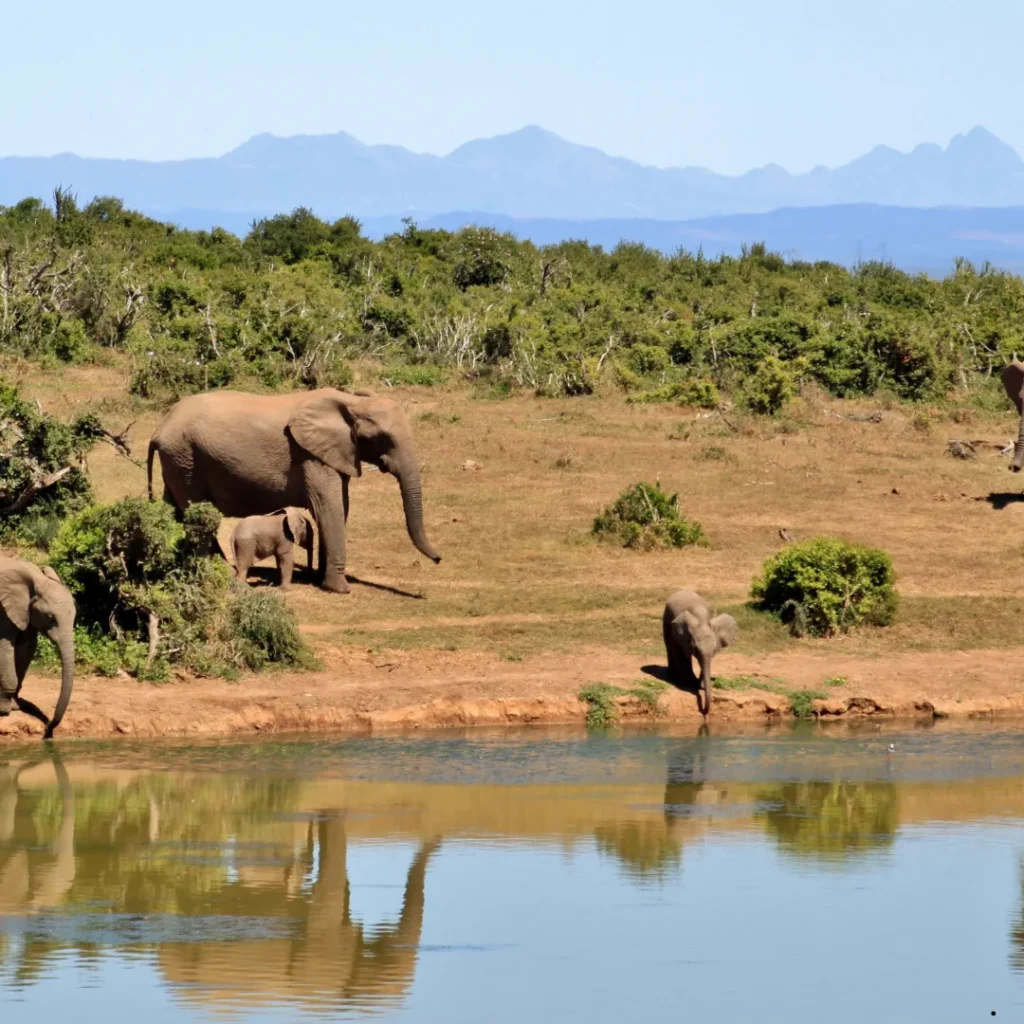
The ICTQual Level 3 Certificate in Wildlife Population Assessment Techniques is a specialized program designed to provide learners with the knowledge and skills required to study and evaluate wildlife populations in diverse ecosystems. This course explores the principles of population ecology, monitoring methods, and conservation strategies, offering a comprehensive understanding of how wildlife populations are measured, analyzed, and managed. Learners will gain insight into the importance of accurate population assessments for biodiversity preservation, ecological balance, and sustainable resource management.
Through structured modules, participants will study key topics such as survey design, sampling techniques, data collection, and statistical analysis. The course emphasizes practical applications, encouraging learners to connect theoretical knowledge with real-world conservation challenges. Case studies and examples of successful population monitoring projects are used to highlight how effective assessment techniques can inform conservation decisions, guide habitat management, and support species recovery programs. Learners will also explore the role of technology, such as GIS and remote sensing, in modern wildlife population studies.
This certificate is particularly valuable for individuals passionate about wildlife conservation, ecology, and environmental management. It equips learners with the skills to critically analyze population data, interpret ecological trends, and contribute meaningfully to projects that safeguard biodiversity. By completing the program, participants will be prepared to engage in conservation initiatives, support ecological research, and play an active role in advancing sustainable wildlife management practices.
Course Overview
Awarding Body
ICTQual AB
Duration
15 days
Study Mood
Online
Assessment
Assignments Based
Course Study Units
- Advanced Field Survey Methods
- Camera Trapping and Remote Monitoring Techniques
- Population Dynamics and Ecological Indicators
- Data Management and Reporting in Wildlife Studies
- Ethical and Legal Considerations in Wildlife Assessment

Entry Requirements
Who Can Enroll
This course is ideal for individuals motivated by conservation and ecological research, and who wish to gain practical skills in wildlife population assessment.
- Students interested in ecology and environmental science.
- Conservation volunteers seeking structured training.
- Wildlife enthusiasts passionate about biodiversity.
- Staff working in sanctuaries or conservation projects.
- Individuals exploring careers in ecological research.
- Learners committed to sustainable wildlife management.
Course Learning Outcomes
Advanced Field Survey Methods
- Apply advanced techniques such as line transects, quadrats, and point counts in wildlife surveys.
- Design structured surveys to improve accuracy and reliability of population data.
- Evaluate different survey methods for suitability in varied habitats and species groups.
- Develop practical skills in planning and conducting complex field assessments.
Camera Trapping and Remote Monitoring Techniques
- Understand the principles and applications of camera trapping in wildlife studies.
- Set up and manage remote monitoring equipment for species detection.
- Analyze photographic and video data to identify species and behavioral patterns.
- Integrate remote monitoring results into broader population assessments.
Population Dynamics and Ecological Indicators
- Explain key concepts of population dynamics including growth, decline, and stability.
- Identify ecological indicators that reflect habitat health and biodiversity.
- Interpret population trends to support conservation planning.
- Apply ecological principles to assess species interactions and ecosystem balance.
Data Management and Reporting in Wildlife Studies
- Record and organize wildlife data using structured formats and digital tools.
- Apply basic statistical methods to analyze survey results.
- Prepare clear reports that communicate findings for conservation decision‑making.
- Ensure accuracy, consistency, and transparency in data handling and reporting.
Ethical and Legal Considerations in Wildlife Assessment
- Recognize ethical responsibilities in observing and recording wildlife.
- Understand legal frameworks governing conservation and biodiversity monitoring.
- Apply safe and responsible practices to minimize disturbance during fieldwork.
- Demonstrate awareness of community and global responsibilities in wildlife conservation.