ICTQual Level 4 Diploma in Taxidermy and Animal Preservation Techniques
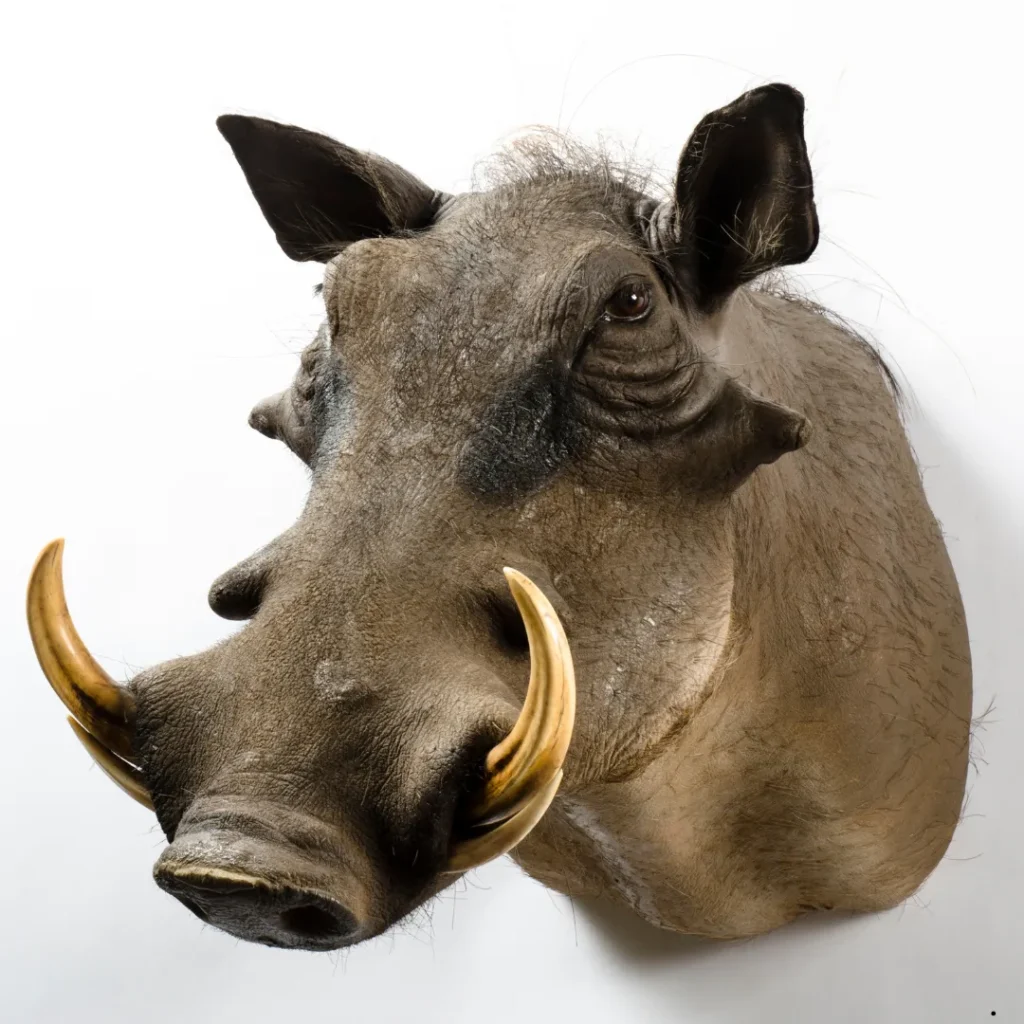
The ICTQual Level 4 Diploma in Taxidermy and Animal Preservation Techniques is an advanced program designed to provide learners with the specialist knowledge and practical skills required to master the art of taxidermy and the science of animal preservation. This course explores the historical, cultural, and scientific significance of taxidermy, while emphasizing modern ethical practices and technical precision. Learners will gain a deep understanding of specimen preparation, preservation methods, and display techniques, ensuring they can produce professional-quality work that respects both artistry and conservation values.
Through structured modules, participants will study advanced topics such as anatomy, skinning and mounting processes, preservation chemicals, and habitat reconstruction. The course emphasizes practical applications, encouraging learners to connect theoretical knowledge with hands-on practice. Case studies and examples of museum-quality taxidermy are used to highlight how effective preservation techniques can support education, research, and cultural heritage. Learners will also explore the role of taxidermy in natural history collections, exhibitions, and conservation awareness.
This diploma is particularly valuable for individuals passionate about animal preservation, museum studies, and heritage display. It equips learners with the skills to critically analyze preservation techniques, apply advanced taxidermy methods, and contribute meaningfully to projects that promote education and cultural appreciation. By completing the program, participants will be prepared to take on professional roles in museums, conservation initiatives, and private collections, ensuring they can make a lasting impact in the field of animal preservation.
Course Overview
Awarding Body
ICTQual AB
Credits
40 Credits
Study Mood
Online
Assessment
Assignments Based
Course Study Units
- Advanced Mounting Techniques for Large Specimens
- Integration of Artistic and Scientific Approaches
- Preservation of Rare and Exotic Species
- Research Methods in Taxidermy and Conservation
- Workshop Management and Safety Leadership
- Applied Project in Animal Preservation

Entry Requirements
Who Can Enroll
This course is ideal for individuals motivated by heritage preservation, artistry, and zoological display, and who wish to gain advanced skills in taxidermy.
- Aspiring taxidermists seeking professional expertise.
- Museum staff aiming to enhance preservation skills.
- Conservation volunteers interested in specimen preparation.
- Students passionate about natural history and heritage.
- Artists exploring scientific and cultural display techniques.
- Individuals committed to ethical and sustainable preservation.
Course Learning Outcomes
Advanced Mounting Techniques for Large Specimens
- Apply specialized mounting techniques for large and complex animal specimens.
- Demonstrate structural stability and balance in large mounts for long‑term display.
- Utilize advanced tools and supports to manage weight and proportions effectively.
- Evaluate completed mounts for anatomical accuracy and professional presentation standards.
Integration of Artistic and Scientific Approaches
- Combine scientific knowledge of anatomy with artistic detailing for lifelike results.
- Apply creative techniques to enhance realism while maintaining biological accuracy.
- Demonstrate the ability to balance aesthetics with educational and conservation goals.
- Critically assess mounts for both scientific integrity and artistic impact.
Preservation of Rare and Exotic Species
- Understand ethical and legal considerations in preserving rare and exotic specimens.
- Apply advanced preservation methods tailored to delicate or unique species.
- Demonstrate sustainable practices to minimize environmental impact in preservation.
- Evaluate preservation outcomes to ensure compliance with conservation standards.
Research Methods in Taxidermy and Conservation
- Conduct independent research to support innovation in taxidermy techniques.
- Apply qualitative and quantitative methods to analyze preservation outcomes.
- Document findings in a structured format suitable for professional or academic use.
- Critically evaluate research data to improve conservation and preservation practices.
Workshop Management and Safety Leadership
- Implement effective management strategies for taxidermy workshops and studios.
- Apply health and safety protocols to protect learners and professionals.
- Demonstrate leadership in guiding teams through complex preservation projects.
- Evaluate workshop operations for efficiency, safety, and professional standards.
Applied Project in Animal Preservation
- Plan and execute a comprehensive project showcasing advanced preservation skills.
- Apply technical, artistic, and ethical principles in a real‑world context.
- Document project processes clearly for assessment and professional reporting.
- Present completed projects demonstrating innovation, accuracy, and professional competence.