OSHAA 30-Hours Professional Diploma in Outdoor First Aid (OFA)
The OSHAA 30-Hours Professional Diploma in Outdoor First Aid (OFA) is a specialized programme designed to prepare learners for managing medical emergencies in outdoor and remote environments. Unlike traditional first aid courses, this diploma focuses on the unique challenges faced when immediate medical support is not readily available. Over thirty hours of structured learning, participants will gain practical skills and theoretical knowledge to respond effectively to injuries, illnesses, and emergencies that occur in outdoor settings such as hiking trails, campsites, sporting events, and rural workplaces.
Learners will explore a wide range of topics including environmental hazards, trauma care, wound management, and emergency evacuation procedures. The course emphasizes scenario-based training, enabling participants to practice decision-making and problem-solving under realistic outdoor conditions. In addition, learners will study the impact of weather, terrain, and limited resources on first aid delivery, ensuring they are prepared to adapt their skills to challenging environments. By combining classroom instruction with practical exercises, the diploma builds confidence and competence in handling emergencies where professional medical assistance may be delayed.
This programme is suitable for individuals working or volunteering in outdoor, recreational, or community settings, as well as professionals in safety, education, and adventure tourism. It is designed to be accessible to learners with varying levels of prior experience, ensuring that everyone leaves with the ability to provide effective first aid in outdoor contexts. By the end of the diploma, participants will have developed the technical skills, situational awareness, and leadership qualities needed to respond responsibly to emergencies, making them valuable contributors to safer outdoor activities and environments.
Course Overview
Awarding Body
OSHAA
Duration
30-Hours
Study Mood
Online
Assessment
Assignments Based
Course Study Units
- Introduction to Outdoor First Aid and Legal Responsibilities (2 Hours)
- Risk Assessment and Scene Management in Outdoor Environments (3 Hours)
- Casualty Assessment and Primary Survey Techniques (4 Hours)
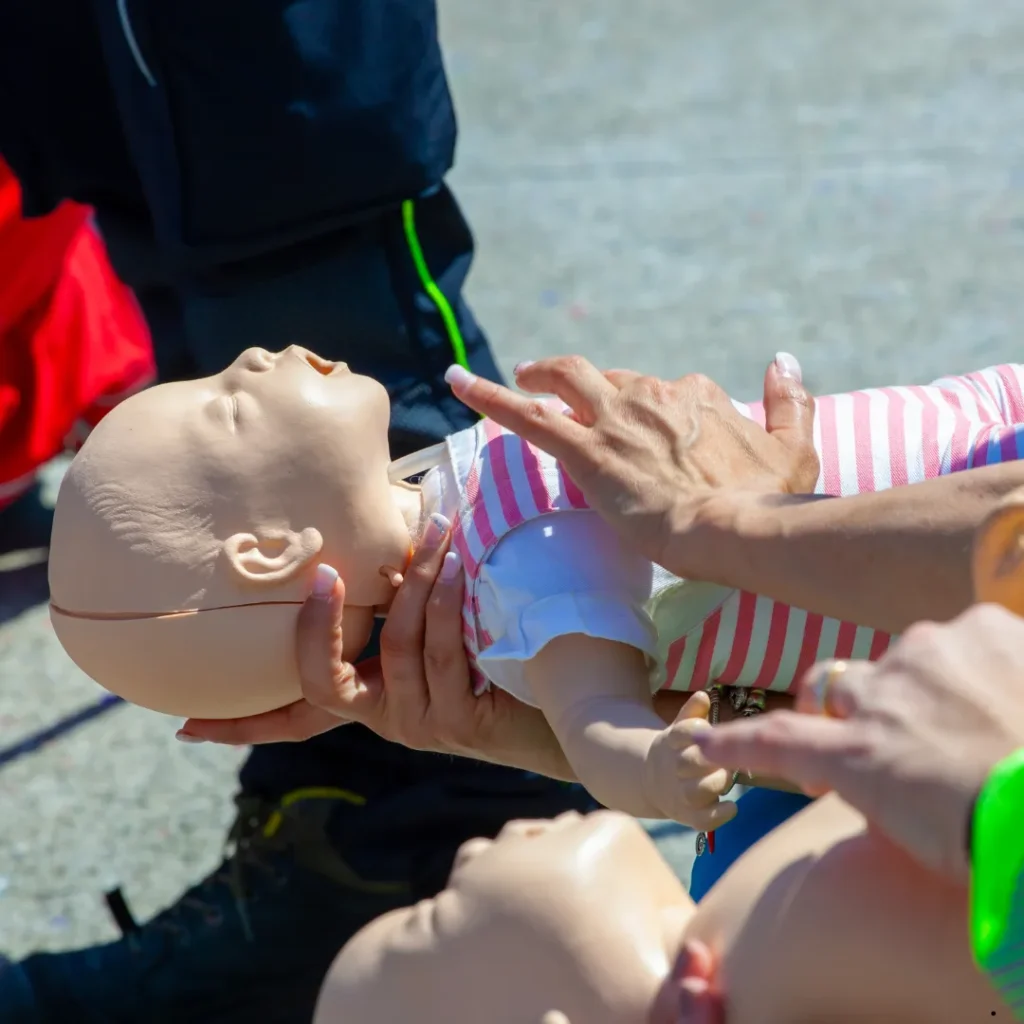
- Cardiopulmonary Resuscitation (CPR) and Automated External Defibrillator (AED) Use (4 Hours)
- Management of Bleeding, Wounds, and Shock Outdoors (4 Hours)
- Treatment of Fractures, Sprains, and Soft Tissue Injuries (4 Hours)
- Environmental Emergencies: Hypothermia, Heatstroke, Dehydration, and Bites (4 Hours)
- Prolonged Casualty Care and Monitoring in Remote Settings (3 Hours)
- Emergency Evacuation Procedures and Communication Skills (2 Hours)

Entry Requirements
Who Can Enroll
This course is designed for individuals who want to strengthen their ability to respond to emergencies in outdoor environments.
- Outdoor activity leaders and instructors
- Teachers and school staff involved in field trips
- Adventure tourism and hospitality professionals
- Workplace safety officers in rural or remote areas
- Community volunteers and caregivers
- Sports coaches and event organizers
Course Learning Outcomes
Introduction to Outdoor First Aid and Legal Responsibilities (2 Hours)
- Understand the scope and importance of outdoor first aid
- Recognise legal and ethical responsibilities of a first aider in outdoor settings
- Identify key regulations and compliance requirements for outdoor first aid provision
Risk Assessment and Scene Management in Outdoor Environments (3 Hours)
- Conduct effective risk assessments specific to outdoor environments
- Manage emergency scenes safely and efficiently to protect casualties and responders
- Prioritise actions to minimise hazards in remote and natural settings
Casualty Assessment and Primary Survey Techniques (4 Hours)
- Perform comprehensive casualty assessments under outdoor conditions
- Conduct primary surveys to identify life-threatening conditions
- Adapt assessment techniques to limited resources and challenging environments
Cardiopulmonary Resuscitation (CPR) and Automated External Defibrillator (AED) Use (4 Hours)
- Demonstrate CPR techniques aligned with international guidelines
- Operate AED devices confidently during emergencies
- Integrate CPR and AED use in outdoor rescue scenarios effectively
Management of Bleeding, Wounds, and Shock Outdoors (4 Hours)
- Identify and control different types of bleeding in remote settings
- Apply appropriate wound care and dressing techniques outdoors
- Recognise and manage shock considering environmental factors
Treatment of Fractures, Sprains, and Soft Tissue Injuries (4 Hours)
- Identify common musculoskeletal injuries encountered outdoors
- Apply immobilisation and support methods, including improvised techniques
- Provide effective pain relief and care tailored to outdoor conditions
Environmental Emergencies: Hypothermia, Heatstroke, Dehydration, and Bites (4 Hours)
- Recognise signs and symptoms of environmental emergencies
- Administer correct first aid treatments for hypothermia, heatstroke, dehydration, and bites
- Implement prevention strategies to reduce environmental risks
Prolonged Casualty Care and Monitoring in Remote Settings (3 Hours)
- Manage casualties when evacuation is delayed or prolonged
- Monitor vital signs and observe changes in casualty condition over time
- Provide ongoing care and reassurance until advanced medical help arrives
Emergency Evacuation Procedures and Communication Skills (2 Hours)
- Plan and execute safe evacuation strategies in outdoor environments
- Use effective communication techniques to coordinate rescue efforts
- Understand the importance of teamwork and clear information exchange during emergencies