OSHAA 30-Hours Professional Diploma in Emergency First Aid at Work (EFAW)
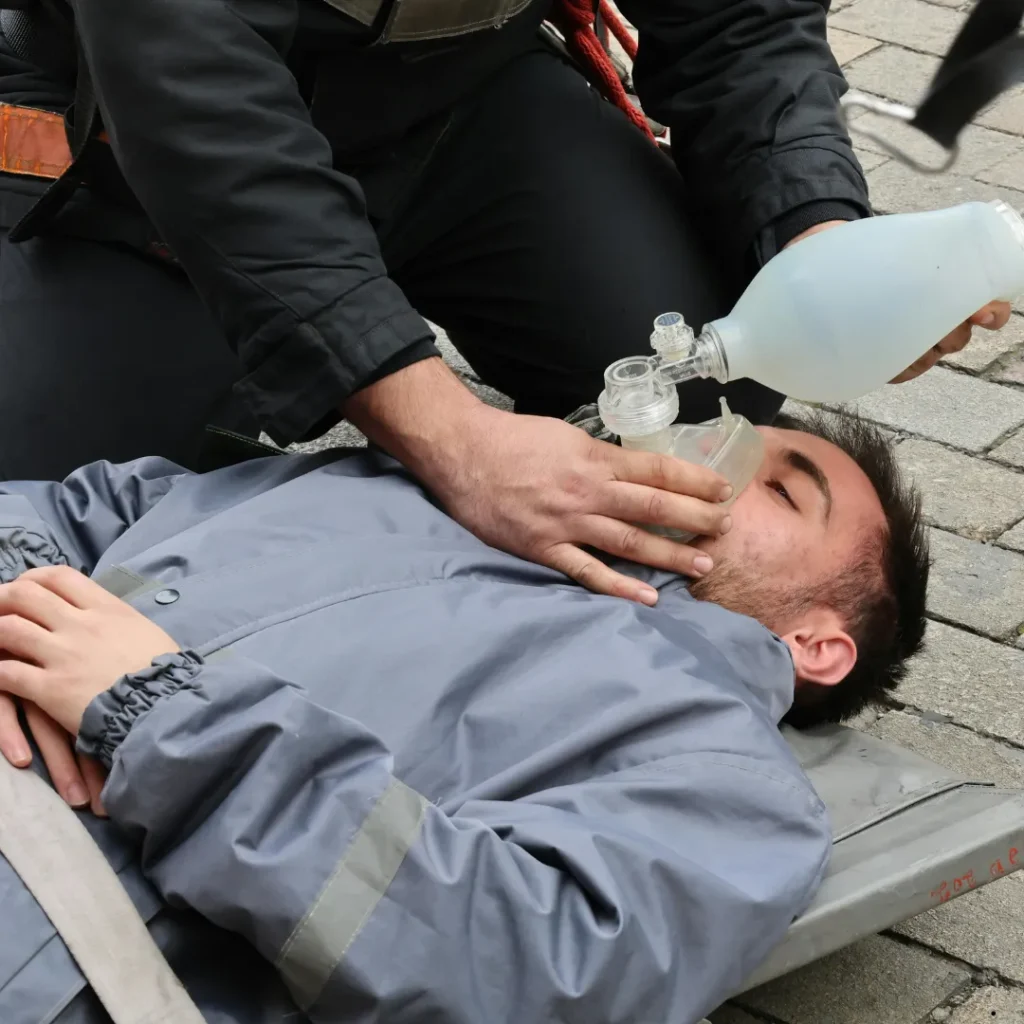
The OSHAA 30-Hours Professional Diploma in Emergency First Aid at Work (EFAW) is a focused programme designed to provide learners with the essential skills and knowledge to respond effectively to medical emergencies in workplace environments. This diploma emphasizes practical training, confidence-building, and situational awareness, ensuring participants are prepared to act quickly and responsibly when accidents or health-related incidents occur. Over thirty hours of guided study, learners will gain a strong foundation in emergency workplace first aid, covering both common and critical scenarios.
Learners will engage in scenario-based training that replicates real-life emergencies, helping them practice decision-making and problem-solving under pressure. The programme also highlights the importance of communication with emergency services, teamwork during critical incidents, and adapting first aid techniques to suit different workplace environments. By combining classroom instruction with practical demonstrations, participants develop the ability to remain calm and effective in urgent situations where every second counts.
This diploma is suitable for individuals working in industries such as construction, manufacturing, hospitality, education, and office-based environments, as well as community volunteers who wish to enhance their emergency response skills. It is designed to be accessible to learners with varying levels of prior experience, ensuring that everyone leaves with the competence to provide safe and effective first aid. By the end of the programme, participants will have developed the technical skills, situational awareness, and leadership qualities needed to respond responsibly to emergencies, making them valuable contributors to safer workplaces and communities.
Course Overview
Awarding Body
OSHAA
Duration
30-Hours
Study Mood
Online
Assessment
Assignments Based
Course Study Units
- Introduction to Emergency First Aid at Work and Legal Responsibilities (2 Hours)
- Workplace Risk Assessment and Emergency Preparedness (3 Hours)
- Primary Survey and Casualty Assessment Techniques (3 Hours)
- Cardiopulmonary Resuscitation (CPR) and Automated External Defibrillator (AED) Use (5 Hours)
- Management of Unconscious Casualties and Recovery Position (3 Hours)
- Control of Bleeding, Wound Care, and Shock Management (5 Hours)
- First Aid for Burns, Scalds, and Workplace-Specific Injuries (3 Hours)
- Management of Choking, Fractures, and Soft Tissue Injuries (3 Hours)
- Handling Medical Emergencies: Heart Attack, Stroke, and Seizures (3 Hours)

Entry Requirements
Who Can Enroll
This course is designed for individuals who want to strengthen their ability to respond to emergencies in workplace environments.
- Workplace first aiders and safety officers
- Construction and manufacturing staff
- Hospitality and catering professionals
- Teachers and school staff
- Office employees and managers
- Community volunteers and caregivers
Course Learning Outcomes
Introduction to Emergency First Aid at Work and Legal Responsibilities (2 Hours)
- Understand the scope and purpose of emergency first aid in the workplace
- Recognise legal requirements and the role of first aiders under workplace safety regulations
- Identify the principles of health and safety compliance in emergency care
Workplace Risk Assessment and Emergency Preparedness (3 Hours)
- Conduct workplace risk assessments to identify potential hazards
- Develop effective emergency response plans for various workplace scenarios
- Understand preventive measures to reduce the likelihood of incidents
Primary Survey and Casualty Assessment Techniques (3 Hours)
- Apply the primary survey (DRABC) approach to assess casualties
- Identify life-threatening conditions requiring immediate intervention
- Perform rapid yet accurate evaluations to prioritise treatment
Cardiopulmonary Resuscitation (CPR) and Automated External Defibrillator (AED) Use (5 Hours)
- Perform adult CPR effectively in line with recognised guidelines
- Safely operate an AED during cardiac arrest situations
- Integrate CPR and AED use within a coordinated emergency response
Management of Unconscious Casualties and Recovery Position (3 Hours)
- Assess and manage unconscious casualties to maintain airway and breathing
- Correctly position casualties in the recovery position to prevent complications
- Monitor and provide ongoing care until professional help arrives
Control of Bleeding, Wound Care, and Shock Management (5 Hours)
- Apply appropriate techniques to control severe and minor bleeding
- Provide effective wound care to prevent infection and promote healing
- Recognise and manage different types of shock in emergency situations
First Aid for Burns, Scalds, and Workplace-Specific Injuries (3 Hours)
- Identify and treat burns and scalds according to severity
- Understand first aid protocols for chemical, electrical, and thermal burns
- Address injuries specific to the participant’s workplace environment
Management of Choking, Fractures, and Soft Tissue Injuries (3 Hours)
- Apply first aid techniques for choking in adults
- Provide immobilisation and support for fractures and dislocations
- Treat sprains, strains, and other soft tissue injuries effectively
Handling Medical Emergencies: Heart Attack, Stroke, and Seizures (3 Hours)
- Recognise signs and symptoms of heart attacks, strokes, and seizures
- Deliver immediate first aid interventions to stabilise the casualty
- Support recovery while awaiting professional medical assistance