OSHAA 30-Hours Professional Diploma in National Vocational Beach Lifeguard Qualifications (NVBLQ)
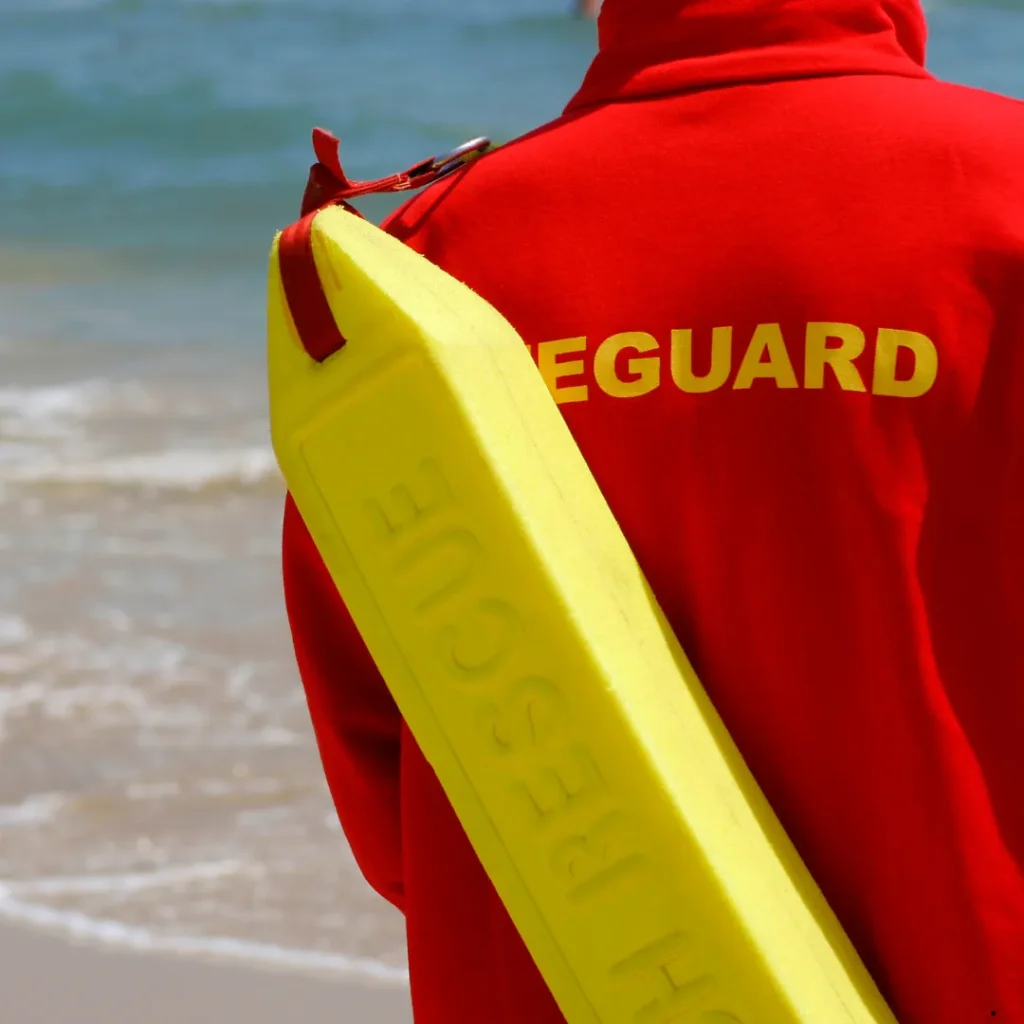
The OSHAA 30-Hours Professional Diploma in National Vocational Beach Lifeguard Qualifications (NVBLQ) is a specialized programme designed to prepare learners with the essential skills and knowledge required to perform lifeguarding duties on beaches and coastal environments. This diploma emphasizes practical training, situational awareness, and confidence-building, ensuring participants are equipped to respond effectively to emergencies in challenging open water conditions. Over thirty hours of structured study, learners will gain a strong foundation in beach safety, rescue techniques, and internationally relevant lifeguard standards.
The course covers a wide range of topics including drowning prevention, rescue methods in surf and tidal waters, CPR and first aid, spinal injury management, and risk assessment in beach environments. Learners will engage in scenario-based training that replicates real-life emergencies, helping them practice decision-making and problem-solving under pressure. The programme also highlights the importance of teamwork, communication with emergency services, and adapting rescue techniques to unpredictable coastal conditions.
This diploma is suitable for individuals seeking to work in aquatic safety roles across national and international contexts, including lifeguards at beaches, resorts, and outdoor recreational facilities. It is designed to be accessible to learners with varying levels of prior experience, ensuring that everyone leaves with the competence to provide safe and effective lifeguarding services. By the end of the programme, participants will have developed the technical skills, situational awareness, and leadership qualities needed to respond responsibly to emergencies, making them valuable contributors to safer coastal environments.
Course Overview
Awarding Body
OSHAA
Duration
30-Hours
Study Mood
Online
Assessment
Assignments Based
Course Study Units
- Introduction to National Vocational Beach Lifeguard Qualifications and Coastal Safety Standards (2 Hours)
- Roles, Responsibilities, and Professional Conduct of a Beach Lifeguard (3 Hours)
- Beach Safety Operations, Hazard Identification, and Risk Management (5 Hours)
- Coastal Environment Awareness: Tides, Currents, and Weather Conditions (3 Hours)
- Surveillance Techniques and Public Safety Management on Beaches (3 Hours)
- Open Water Rescue Skills and Safe Recovery Techniques (4 Hours)
- Cardiopulmonary Resuscitation (CPR), First Aid, and Casualty Care in Coastal Environments (5 Hours)
- Emergency Response Procedures and Incident Management on Beaches (3 Hours)
- Communication Skills, Team Coordination, and Public Interaction (2 Hours)

Entry Requirements
Who Can Enroll
This course is designed for individuals who want to strengthen their ability to respond to emergencies in beach and coastal environments.
- Aspiring beach lifeguards
- Resort and coastal recreation staff
- Adventure tourism and hospitality professionals
- Safety officers in aquatic facilities
- Community volunteers in water safety programmes
- Emergency response and rescue team members
Course Learning Outcomes
Introduction to National Vocational Beach Lifeguard Qualifications and Coastal Safety Standards (2 Hours)
- Understand the scope and objectives of the NVBLQ qualification
- Recognise national and international safety standards for beach lifeguards
- Identify the core competencies required for effective coastal safety management
Roles, Responsibilities, and Professional Conduct of a Beach Lifeguard (3 Hours)
- Define the primary duties and expectations of a professional beach lifeguard
- Apply professional behaviour and ethical practices in lifeguard duties
- Demonstrate awareness of accountability and operational discipline
Beach Safety Operations, Hazard Identification, and Risk Management (5 Hours)
- Conduct safety inspections and operational checks in beach environments
- Identify hazards such as rip currents, dangerous weather, and unsafe activities
- Implement risk management strategies to reduce potential incidents
Coastal Environment Awareness: Tides, Currents, and Weather Conditions (3 Hours)
- Interpret tidal patterns and their impact on beach safety
- Recognise the effects of wave formations, rip currents, and wind on swimmers
- Monitor and respond to changing weather and sea conditions
Surveillance Techniques and Public Safety Management on Beaches (3 Hours)
- Apply effective scanning and observation techniques for large coastal areas
- Detect early warning signs of potential emergencies
- Manage public safety through proactive supervision and engagement
Open Water Rescue Skills and Safe Recovery Techniques (4 Hours)
- Perform rescue approaches suitable for open-water conditions
- Use rescue boards, buoys, and coastal rescue equipment effectively
- Safely recover and assist casualties from challenging environments
Cardiopulmonary Resuscitation (CPR), First Aid, and Casualty Care in Coastal Environments (5 Hours)
- Perform CPR for adults, children, and infants following recognised guidelines
- Deliver first aid for injuries and medical conditions common to beaches
- Provide effective casualty care until professional medical assistance arrives
Emergency Response Procedures and Incident Management on Beaches (3 Hours)
- Activate and follow beach-specific emergency action plans
- Coordinate rescue operations during complex or major incidents
- Complete accurate and professional post-incident documentation
Communication Skills, Team Coordination, and Public Interaction (2 Hours)
- Communicate clearly and confidently in high-pressure situations
- Work effectively as part of a coordinated lifeguard team
- Engage with the public in a professional, calm, and reassuring manner