OSHAA 30-Hours Professional Diploma in National Surf Coach Lifesaving (NSCL)
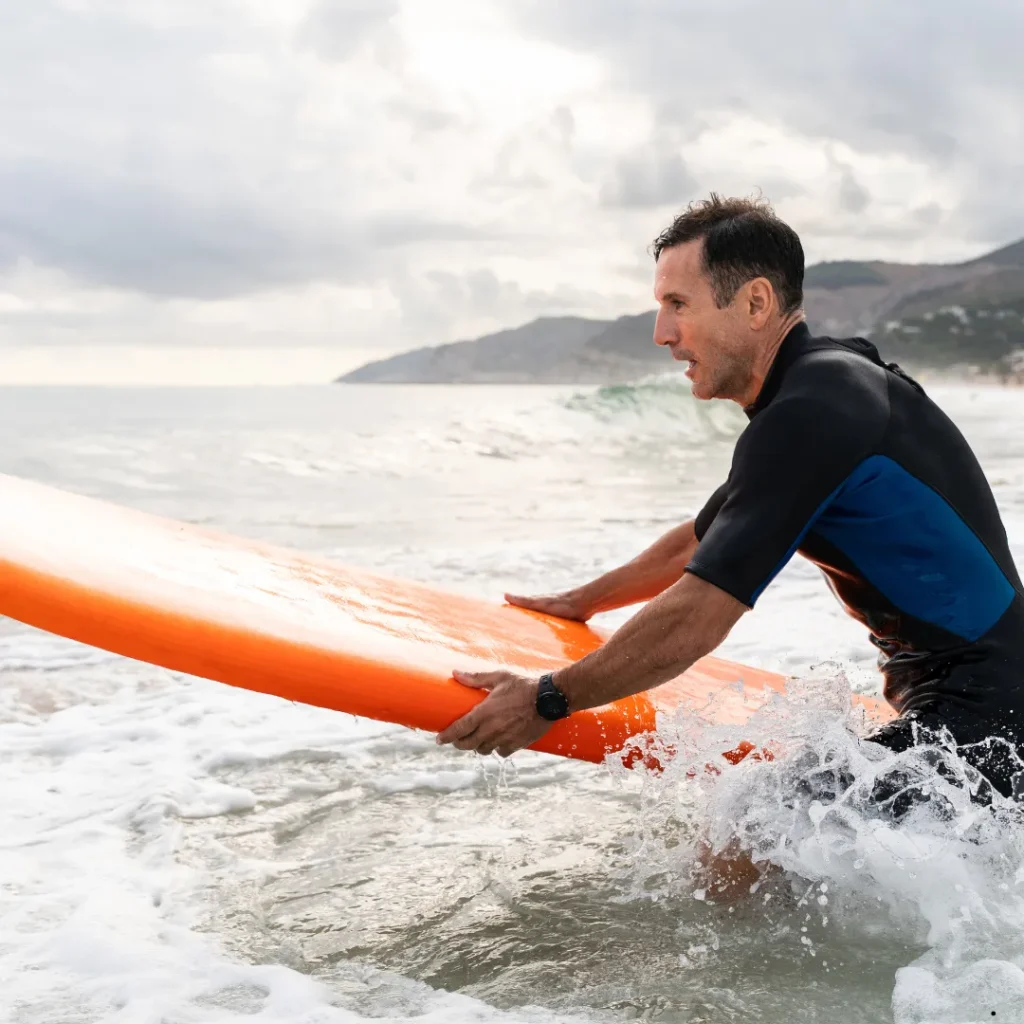
The OSHAA 30-Hours Professional Diploma in National Surf Coach Lifesaving (NSCL) is a specialized programme designed to equip surf coaches and aquatic professionals with the essential skills and knowledge required to respond effectively to emergencies in surf and coastal environments. This diploma emphasizes practical training, situational awareness, and confidence-building, ensuring participants are prepared to act quickly and responsibly when accidents or health-related incidents occur during surf coaching sessions.
The course covers a wide range of topics including drowning prevention, surf-specific rescue methods, CPR and first aid, spinal injury management, and risk assessment in coastal environments. Learners will engage in scenario-based training that replicates real-life emergencies, helping them practice decision-making and problem-solving under pressure. By combining classroom instruction with practical demonstrations, participants develop the ability to remain calm and effective in urgent situations where lives are at risk.
This diploma is suitable for individuals working in surf schools, coastal resorts, and aquatic coaching roles. It is designed to be accessible to learners with varying levels of prior experience, ensuring that everyone leaves with the competence to provide safe and effective lifesaving support. By the end of the programme, participants will have developed the technical skills, situational awareness, and leadership qualities needed to respond responsibly to emergencies, making them valuable contributors to safer surf coaching and coastal environments.
Course Overview
Awarding Body
OSHAA
Duration
30-Hours
Study Mood
Online
Assessment
Assignments Based
Course Study Units
- Introduction to National Surf Coach Lifesaving Role and Responsibilities (3 Hours)
- Surf Environment Awareness and Safety (3 Hours)
- Principles of Surf Lifesaving and Rescue Techniques (4 Hours)
- Use and Maintenance of Surf Rescue Equipment (3 Hours)
- Coaching Techniques for Surf Lifesaving Skills Development (4 Hours)
- Risk Assessment and Emergency Response Planning (5 Hours)
- Communication and Leadership in Surf Lifesaving (3 Hours)
- Environmental and Legal Considerations in Surf Lifesaving (3 Hours)
- Team Building and Motivation Strategies for Lifesaving Coaches (2 Hours)

Entry Requirements
Who Can Enroll
The ideal learner is someone who wishes to strengthen their ability to manage emergencies in surf environments while supporting safe and effective coaching sessions.
- Surf coaches and instructors
- Coastal lifeguards supporting surf schools
- Adventure tourism and water sports professionals
- Resort and leisure staff working in coastal environments
- Community volunteers engaged in surf safety programmes
- Supervisors or managers overseeing surf school operations
Course Learning Outcomes
Introduction to National Surf Coach Lifesaving Role and Responsibilities (3 Hours)
- Understand the key roles and responsibilities of a surf coach lifesaver
- Recognise professional standards and ethical considerations in coaching
- Identify the scope and limits of the surf coach lifesaving role
Surf Environment Awareness and Safety (3 Hours)
- Develop awareness of coastal and surf conditions impacting safety
- Identify common hazards in surf environments
- Apply safety measures to minimise risks in surf settings
Principles of Surf Lifesaving and Rescue Techniques (4 Hours)
- Understand fundamental surf rescue methods and best practices
- Demonstrate proficiency in key lifesaving techniques
- Apply rescue skills effectively in real surf scenarios
Use and Maintenance of Surf Rescue Equipment (3 Hours)
- Identify various types of surf rescue equipment and their uses
- Demonstrate correct handling and maintenance procedures
- Ensure equipment readiness for emergency situations
Coaching Techniques for Surf Lifesaving Skills Development (4 Hours)
- Apply effective coaching methods to enhance participant skills
- Design training sessions tailored to different skill levels
- Foster a positive learning environment for surf lifesaving development
Risk Assessment and Emergency Response Planning (5 Hours)
- Conduct thorough risk assessments for surf lifesaving activities
- Develop comprehensive emergency response plans
- Implement proactive strategies to manage potential incidents
Communication and Leadership in Surf Lifesaving (3 Hours)
- Develop clear and effective communication skills for coaching
- Lead teams confidently during training and rescue operations
- Manage group dynamics and promote teamwork
Environmental and Legal Considerations in Surf Lifesaving (3 Hours)
- Understand relevant environmental regulations affecting surf lifesaving
- Comply with legal obligations and safety standards
- Promote sustainable practices in surf lifesaving activities
Team Building and Motivation Strategies for Lifesaving Coaches (2 Hours)
- Employ techniques to build cohesive and motivated teams
- Recognise factors influencing team performance and morale
- Encourage positive attitudes and continuous improvement