ACS – GP USA Lifting Operation Supervisor
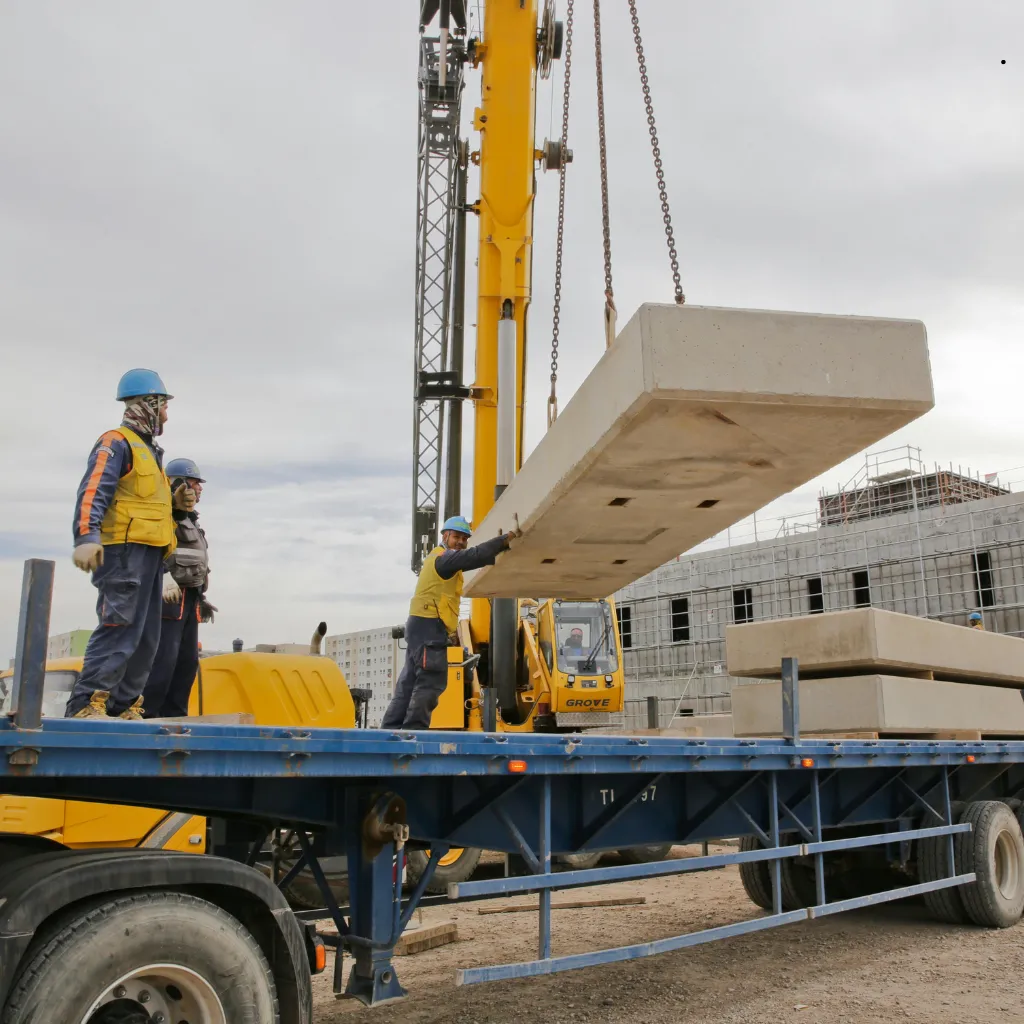
The ACS – GP USA Lifting Operation Supervisor Course is a specialized training program designed to develop competent supervisors capable of planning, managing, and overseeing safe lifting operations in industrial, construction, and engineering environments. This course provides comprehensive knowledge of lifting equipment, lifting accessories, risk assessment, and safe system of work procedures in accordance with international health and safety standards.
Learners will gain a strong understanding of lifting operation principles, including crane operations, load handling, lifting plans, and supervisory responsibilities. The program focuses on hazard identification, control measures, and compliance with workplace safety regulations to ensure lifting activities are carried out efficiently and without risk to personnel, equipment, or property.
Upon successful completion, participants will be able to supervise lifting operations confidently, evaluate lifting plans, enforce safety procedures, and communicate effectively with crane operators and site teams. The ACS – GP USA Lifting Operation Supervisor Course strengthens career opportunities in high-risk industries and supports organizations in achieving safe, compliant, and efficient lifting operations.
Course Overview
Awarding Body
ACS – GP
Duration
1 days
Study Mode
Online
Assessment
MCQ & Lifting Supervision
Course Objectives
- Understand OSHA and ASME standards for safe lifting operations and supervisory responsibilities.
- Identify hazards associated with cranes, rigging, and lifting equipment.
- Learn to develop and implement lifting plans and risk assessments for safe operations.
- Develop skills to supervise lifting operations, including crew coordination and communication.
- Explore the inspection and maintenance of lifting equipment, such as cranes and slings.
- Gain knowledge of emergency response procedures for lifting-related incidents.
- Understand the importance of training and competence for lifting operation teams.
- Learn to document lifting plans, inspections, and incidents for compliance.

Entry Requirements
- Minimum Age: Candidates must be 18 years or older.
- Educational Background: A Level 3 qualification or equivalent is recommended.
- Language Proficiency: Good understanding of English in reading, writing, speaking, and comprehension is required, as the course is delivered in English.
- Work Experience: Prior experience in construction, lifting operations, rigging, or site supervision is highly beneficial but not mandatory.
Who Can Enroll
ACS – GP USA Lifting Operation Supervisor is designed for professionals responsible for planning, supervising, or managing lifting operations in high-risk work environments.
- Lifting Supervisors and Assistant Supervisors
- Site Engineers and Construction Managers
- Crane Operators and Rigging Personnel
- Health and Safety Officers
- Heavy Equipment Operators
- Industrial and Maintenance Supervisors
- Offshore and Onshore Oil & Gas Workers
- Warehouse and Logistics Supervisors
- Anyone involved in lifting operation planning and execution
Course Learning Outcomes
- Demonstrate compliance with OSHA and ASME standards for safe lifting operations.
- Identify, assess, and control hazards associated with lifting activities in the workplace.
- Develop, review, and supervise lifting plans to ensure safe and efficient operations.
- Conduct inspections of lifting equipment and accessories to ensure safety and compliance.
- Coordinate lifting activities and communicate effectively with operators and site teams.
- Apply appropriate procedures to respond to lifting-related incidents and emergencies.
- Maintain accurate documentation of lifting plans, equipment inspections, and operational records.