ACS – GP USA Spill Prevention, Control, and Countermeasure (SPCC)
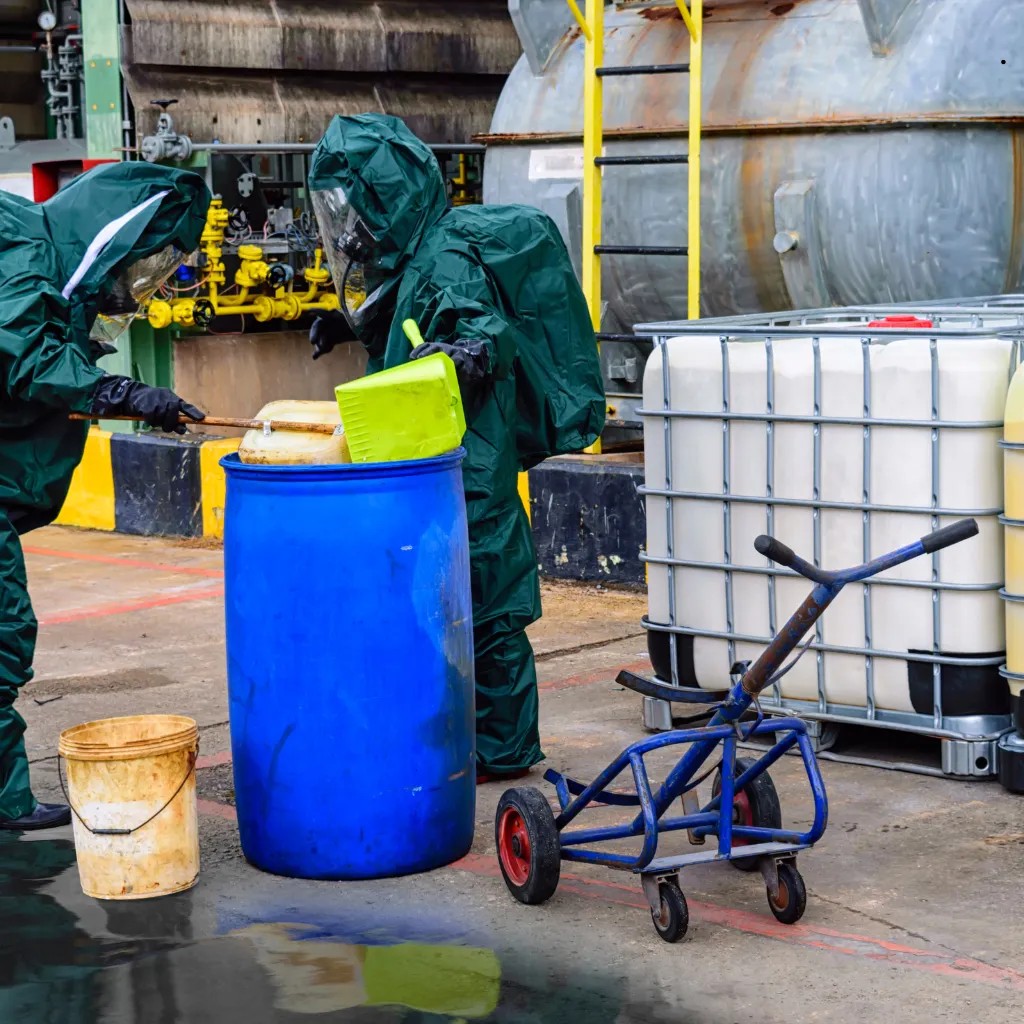
The ACS – GP USA Spill Prevention, Control, and Countermeasure (SPCC) course is a specialized environmental safety training program designed to help organizations prevent oil and hazardous substance spills, control environmental contamination risks, and implement effective emergency response strategies. This course is essential for industries such as oil and gas, manufacturing, transportation, construction, utilities, and storage facilities where accidental spills can result in severe environmental damage, regulatory penalties, and operational disruption.
Participants will gain a strong understanding of SPCC regulations, spill risk assessment, secondary containment systems, inspection procedures, and spill response planning. The training covers best practices for handling, storing, and transferring hazardous materials safely, as well as identifying potential leak sources and implementing preventive maintenance strategies.
Upon completion, learners will be equipped to support organizational compliance, reduce environmental risks, and improve workplace safety performance. This course enhances preparedness for spill-related emergencies while promoting sustainable operational practices. It is ideal for environmental officers, safety professionals, site supervisors, and personnel involved in hazardous material management who aim to strengthen SPCC compliance and environmental protection capabilities.
Course Overview
Awarding Body
ACS – GP
Duration
1 day
Study Mode
Online
Assessment
SPCC Evaluation
Course Objective
- Understand EPA’s SPCC regulations and their application to oil-handling facilities.
- Identify potential spill risks and sources in workplace operations.
- Learn to develop and implement SPCC plans, including containment and control measures.
- Develop skills to conduct spill prevention inspections and maintenance checks.
- Explore spill response techniques, including containment and cleanup procedures.
- Gain knowledge of spill reporting requirements and coordination with regulatory agencies.
- Understand the importance of employee training for spill prevention and response.
- Learn to document SPCC activities and maintain compliance records.

Entry Requirements
- Minimum Age: Learners must be 18 years or above.
- Educational Background: Basic literacy and numeracy skills are recommended for understanding procedures and documentation.
- Language Proficiency: Good understanding of written and spoken English is required to follow environmental safety guidelines and regulatory instructions.
- Work Experience: Prior experience in oil & gas, manufacturing, chemical handling, transportation, construction, or industrial operations is beneficial but not mandatory.
Who Can Enroll
This course is designed for individuals responsible for handling, storing, or managing hazardous substances and preventing environmental spills. It is suitable for:
- Environmental health and safety (EHS) officers
- Spill response and emergency response teams
- Oil and gas industry workers and supervisors
- Chemical and hazardous material handlers
- Construction and industrial site personnel
- Facility and plant operations staff
- Transportation and logistics professionals handling fuel or chemicals
- Site managers, engineers, and compliance officers
Course Learning Outcomes
- Participants will demonstrate understanding and compliance with EPA SPCC regulations in workplace environments.
- Learners will identify, evaluate, and control spill risks through effective prevention strategies.
- Attendees will develop, implement, and maintain SPCC plans with appropriate containment and countermeasure systems.
- Graduates will conduct routine inspections, equipment checks, and maintenance activities to support spill prevention.
- Participants will apply effective spill response, containment, and cleanup procedures in emergency situations.
- Learners will report spill incidents accurately and coordinate with relevant regulatory and emergency response agencies.
- Attendees will maintain comprehensive SPCC documentation and support ongoing environmental safety training initiatives.