ICTQual AB Level 2 International Diploma in Drilling and Well Control
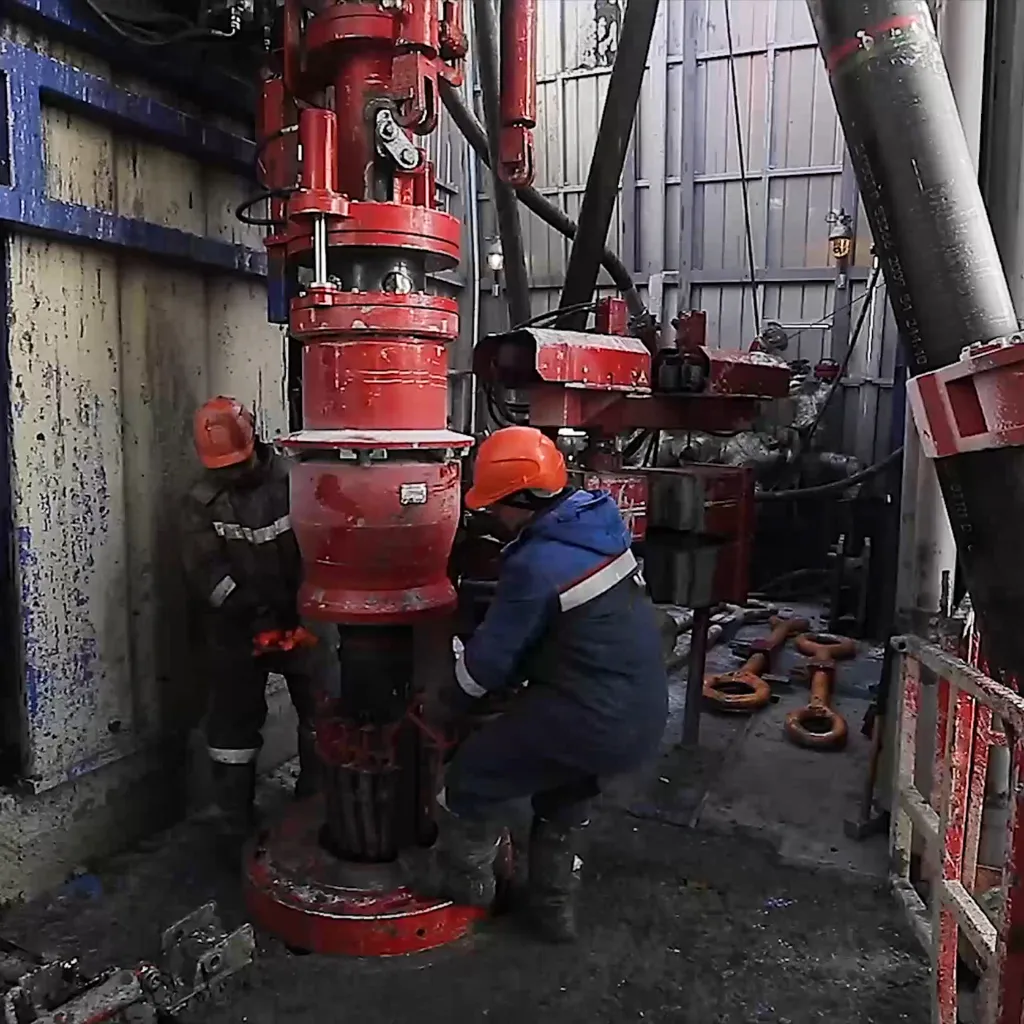
The ICTQual AB Level 2 International Diploma in Drilling and Well Control introduces learners to the essential principles of drilling processes, well integrity management, and pressure control systems used across upstream energy operations. This qualification offers a structured entry route into one of the most safety-critical and technically advanced sectors of the global petroleum industry.
The programme focuses on essential drilling concepts including well pressure fundamentals, kick detection, blowout prevention techniques, drilling fluid systems, rig operations awareness, and well control procedures. Learners develop practical understanding of how drilling teams maintain balance between formation pressure and wellbore stability to ensure safe and efficient extraction operations.
By completing this diploma, learners enhance their readiness for entry-level drilling and well control roles within the global oil and gas sector. The qualification strengthens technical awareness, improves safety competence, and supports career progression into drilling assistant, rig operator support, and well control trainee positions. As energy demand continues to evolve alongside stricter safety regulations and advanced drilling technologies, this programme provides a strong foundation for long-term career development in the upstream petroleum industry.
Course Overview
Awarding Body
ICTQual AB
credits
30
Study Mode
Online
Assessment
Assignment Based
Study Units
- Drilling Engineering Principles and Well Design
- Well Control Techniques and Safety Management
- Rig Operations, Monitoring, and Operational Procedures

Entry Requirements
- Minimum Age: 18 years or above
- Educational Background: Secondary education or equivalent qualification is recommended, preferably with basic science or technical subjects
- Language Proficiency: Good understanding of English is required for safety and technical communication
- Work Experience: No prior drilling experience is required, although experience in oil & gas, mechanical, engineering, or industrial environments is considered beneficiale.
Who Can Enroll
Diploma in Drilling and Well Control qualification is designed for individuals seeking to start or develop a career in drilling operations, well control, and the oil and gas industry.
- Aspiring drilling technicians and rig workers
- Entry-level oil & gas industry personnel
- Mechanical and petroleum engineering students
- Onshore and offshore rig support staff
- Oilfield service and operations assistants
- Health, safety, and industrial workers entering energy sector roles
Course Learning Outcomes
Drilling Engineering Principles and Well Design
- Understand the fundamental principles of drilling engineering and well construction.
- Explain the design and planning of wells to meet operational and safety requirements.
- Analyse geological and reservoir data to support well design decisions.
- Apply technical knowledge to optimise drilling performance and efficiency.
- Recognize the roles of engineers, drill teams, and stakeholders in well planning.
Well Control Techniques and Safety Management
- Identify common well control challenges and methods to prevent blowouts and incidents.
- Apply safety protocols and emergency response procedures during drilling operations.
- Monitor pressure, fluid circulation, and equipment performance to maintain control.
- Evaluate risk factors and implement mitigation strategies in well operations.
- Develop a safety-first mindset to ensure compliance with industry standards.
Rig Operations, Monitoring, and Operational Procedures
- Demonstrate knowledge of rig equipment, systems, and operational workflows.
- Plan and supervise drilling operations in accordance with best practices.
- Monitor rig performance, production data, and operational efficiency.
- Apply problem-solving skills to address technical and operational challenges.
- Maintain accurate records and reports for compliance and operational tracking.