ICTQual AB Level 2 International Diploma in Petroleum Engineering
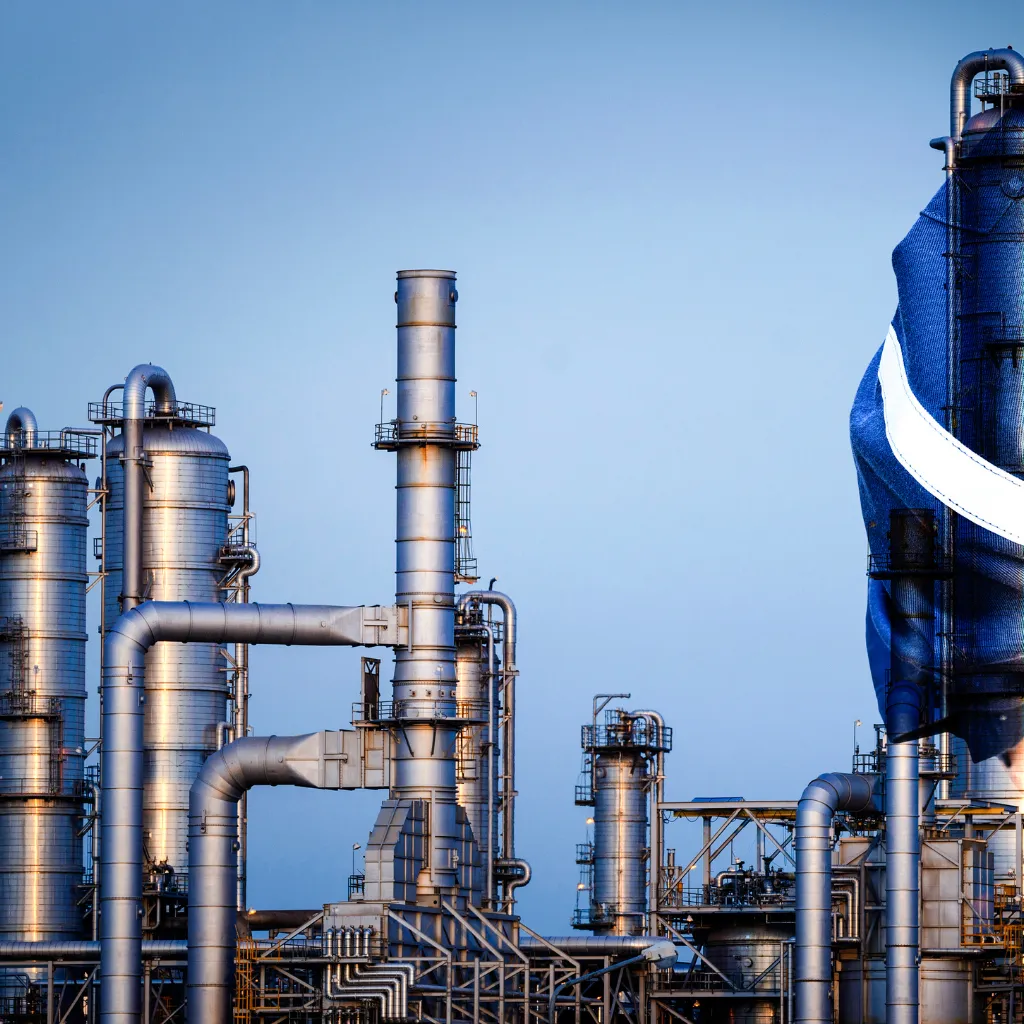
The ICTQual AB Level 2 International Diploma in Petroleum Engineering is a foundational qualification designed to introduce learners to the core principles of petroleum exploration, extraction, and production processes. As the global energy industry continues to play a critical role in economic development, this course provides essential knowledge for individuals seeking to enter the oil and gas sector. It focuses on building a strong understanding of upstream petroleum operations, industry terminology, and basic engineering concepts.
The programme covers key areas such as petroleum geology fundamentals, drilling operations, reservoir basics, production techniques, oil and gas processing, and health, safety, and environmental awareness in petroleum operations. Learners also gain insight into industry standards, operational workflows, and the role of engineering in efficient hydrocarbon extraction.
Upon completion, learners will be equipped for entry-level roles in oil and gas operations, field support services, and technical assistance positions within petroleum companies. This internationally recognized Level 2 diploma also provides a strong progression pathway to advanced studies in petroleum engineering and energy-related disciplines. It enhances employability, strengthens technical awareness, and supports organizations in improving operational efficiency, safety, and resource management within the energy sector.
Course Overview
Awarding Body
ICTQual AB
credits
30
Study Mode
Online
Assessment
Assignment Based
Study Units
- Fundamentals of Petroleum Engineering
- Drilling and Production Systems
- Health, Safety, and Environmental Practices in Petroleum Operations

Entry Requirements
- Minimum Age: Learners must be 18 years or above.
- Educational Background: A Level 1 qualification or equivalent is recommended, preferably in science, mathematics, engineering, or technical subjects.
- Language Proficiency: Good understanding of English is required to follow technical concepts and course materials.
- Work Experience: No prior industry experience is required, although exposure to engineering or industrial environments is beneficial.
Who Can Enroll
This course is designed for individuals who want to begin a career in the oil and gas industry and build foundational knowledge in petroleum engineering.
- Aspiring petroleum and oil & gas industry professionals
- Entry-level engineering and technical support staff
- Mechanical, chemical, and industrial engineering students
- Workers in drilling, refinery, and energy-related sectors
- Maintenance and field service technicians
- Individuals seeking careers in upstream petroleum operations
- Professionals aiming to progress into advanced petroleum engineering studies
Course Learning Outcomes
Fundamentals of Petroleum Engineering
- Understand the basic principles of petroleum exploration, extraction, and reservoir management.
- Gain knowledge of different types of hydrocarbons and their characteristics.
- Learn the operational workflows in upstream and midstream petroleum processes.
- Develop analytical skills for assessing petroleum resources and production efficiency.
- Build a foundation for safe and efficient application of petroleum engineering techniques.
Drilling and Production Systems
- Understand the design and operation of drilling rigs, wells, and production equipment.
- Learn about drilling techniques, well completion, and production optimization.
- Develop practical skills in monitoring and maintaining petroleum extraction systems.
- Gain knowledge of fluid dynamics, pressure management, and reservoir control.
- Build competence in troubleshooting and resolving operational challenges in production systems.
Health, Safety, and Environmental Practices in Petroleum Operations
- Understand international safety regulations and best practices for petroleum operations.
- Learn risk assessment, emergency response, and accident prevention strategies.
- Develop knowledge of environmental protection, waste management, and sustainability in oil and gas activities.
- Build awareness of occupational health and safety standards for petroleum personnel.
- Gain skills to ensure safe, compliant, and environmentally responsible operational practices.