ICTQual AB Level 2 International Diploma in Political Science and International Relations
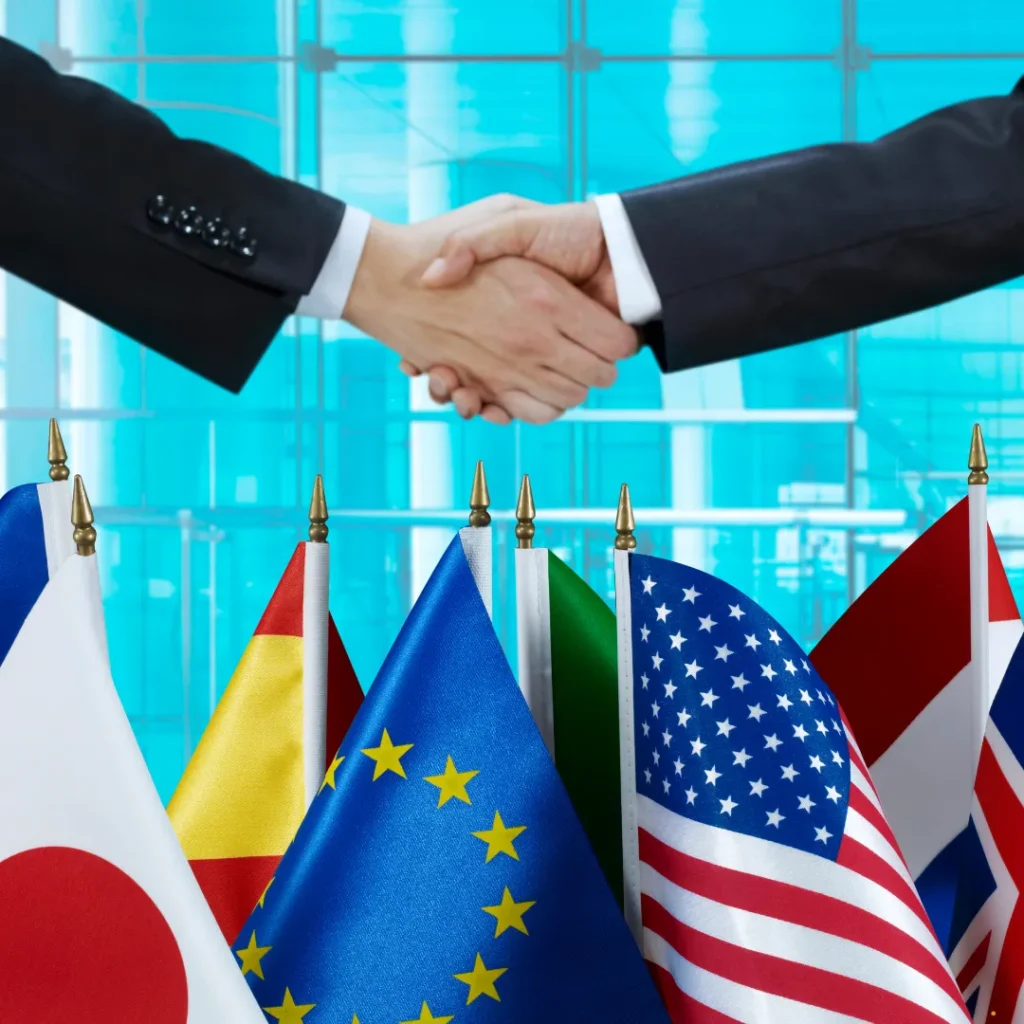
The ICTQual AB Level 2 International Diploma in Political Science and International Relations is a beginner-friendly course designed to introduce learners to the fundamentals of politics, government systems, and global relations. The course explains how political decisions are made, how governments operate, and how countries interact on the international stage. Its purpose is to provide learners with a clear understanding of political processes and international affairs in a simple and practical way, making complex topics easy to grasp and apply.
Learners will gain knowledge about political structures, policy-making, and diplomatic relations. The course emphasizes critical thinking, research, and analysis, helping participants understand global events and their impact. It is structured in an easy-to-follow format, allowing learners to gradually build their knowledge while applying concepts to real-world scenarios. Additionally, learners will develop an understanding of international organizations and agreements that shape global policies.
One of the main benefits of this course is that it equips learners with practical skills for personal and professional growth. Participants will improve their understanding of political systems, international policies, and diplomatic practices. The course also enhances analytical, problem-solving, and communication skills. By completing this diploma, learners gain confidence in discussing political and global issues and can apply their knowledge effectively in community, professional, or educational settings. Moreover, it prepares learners to evaluate political events critically and make informed decisions in both professional and personal contexts.
Course Overview
Awarding Body
ICTQual AB
Credits
30 Credits
Study Mood
Online
Assessment
Assignments Based
Course Study Units
- Introduction to Political Science and Governance
- Fundamentals of International Relations
- Global Politics and Contemporary Issues

Entry Requirements
Who Can Enroll
This course is suitable for individuals who want to gain foundational knowledge in political science and international relations.
- Interested in politics and global governance
- Curious about international affairs and diplomacy
- Want to develop analytical and research skills
- Looking to understand global policies and decision-making
- Planning to work in administration, research, or community roles
- Aiming to gain confidence in political and international discussions
Course Learning Outcomes
Learning Outcomes for Introduction to Political Science and Governance
- Understand the core principles, concepts, and theories that define political science and governance.
- Identify the structures and functions of government institutions at local, national, and international levels.
- Develop awareness of political ideologies, systems, and decision-making processes.
- Analyse the relationship between government, society, and public policy.
- Apply basic political theories to evaluate governance models and administrative practices.
Learning Outcomes for Fundamentals of International Relations
- Explain the key concepts and historical evolution of international relations as a discipline.
- Recognise the roles of states, international organisations, and non-state actors in global affairs.
- Understand theories such as realism, liberalism, and constructivism in analysing world politics.
- Evaluate the impact of diplomacy, foreign policy, and international cooperation on peace and security.
- Demonstrate an understanding of the factors shaping global interdependence and international systems.
Learning Outcomes for Global Politics and Contemporary Issues
- Analyse major global challenges, including climate change, conflict, and human rights concerns.
- Examine the influence of globalisation on political, economic, and social structures.
- Assess the role of international institutions in managing global crises and promoting development.
- Develop critical perspectives on regional conflicts, migration, and international justice.
- Apply political analysis to understand emerging trends and future directions in global politics.