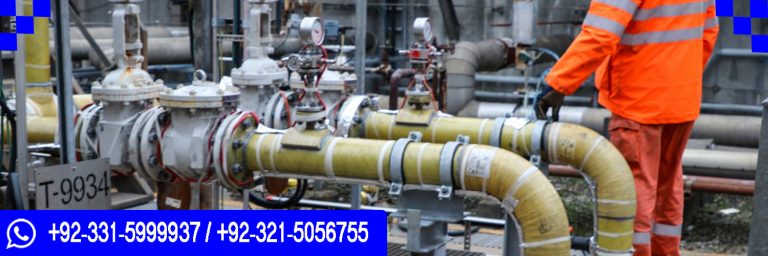
ICTQual AB Level 2 International Diploma in Refinery Operations

The ICTQual AB Level 2 International Diploma in Refinery Operations is a specialized qualification designed to provide learners with a strong foundation in refinery processes, safety standards, and operational excellence. This program introduces participants to the technical and practical aspects of refining crude oil into usable products, ensuring they gain industry-relevant skills aligned with global energy standards. By combining theoretical knowledge with applied learning, the diploma prepares learners to meet the demands of modern refinery environments.
Learners will explore key areas such as process control, equipment handling, safety compliance, and environmental management. The curriculum emphasizes operational efficiency, risk reduction, and adherence to international regulations, enabling graduates to contribute effectively to refinery operations. With a focus on practical workplace benefits, the program equips learners to handle real-world challenges, including audits, inspections, and compliance with global energy frameworks.
This internationally recognized diploma opens career pathways in refinery operations, safety management, quality assurance, and technical consultancy. It also supports progression into advanced certifications and leadership roles within the oil and gas sector. By completing the ICTQual AB Level 2 International Diploma in Refinery Operations, learners gain the expertise to enhance operational performance, reduce risks, and achieve professional growth in one of the world’s most vital industries.
Course Overview
Awarding Body
ICTQual AB
credits
30
Study Mode
Online
Assessment
Assignment Based
Study Units
- Introduction to Refinery Operations
- Process Technology and Equipment
- Health, Safety, and Environmental Practices

Entry Requirements
- Minimum Age: Applicants must be at least 18 years old.
- Educational Background: A basic secondary education or equivalent qualification is recommended for understanding technical concepts.
- Language Proficiency: A good command of English is required to comprehend refinery terminology, training materials, and assessments.
- Work Experience: No prior refinery experience is mandatory; however, exposure to industrial, engineering, or energy-related roles will be considered an advantage.
Who Can Enroll
This diploma is ideal for learners who want to build practical expertise in refinery operations and global energy standards.
- Students and fresh graduates entering the refining and energy industry.
- Industrial or engineering staff looking to strengthen refinery knowledge.
- Safety and compliance professionals working in energy operations.
- Career switchers from QA/QC, facilities, or environmental fields seeking specialization in refinery operations.
Course Learning Outcomes
Introduction to Refinery Operations
- Understand the fundamental concepts of refinery operations and the overall refining process.
- Identify key stages in crude oil processing and the products derived from each stage.
- Recognise the roles and responsibilities of refinery personnel in operational workflows.
- Develop a basic understanding of process flow diagrams and refinery terminology.
- Apply introductory knowledge to support practical tasks in refinery environments.
Process Technology and Equipment
- Identify major refinery process units and understand their functions.
- Understand the operation and maintenance requirements of refinery equipment.
- Apply basic principles of process control and instrumentation in refinery settings.
- Analyse operational data to support efficiency and productivity improvements.
- Demonstrate awareness of technological innovations impacting refinery operations.
Health, Safety, and Environmental Practices
- Understand key health and safety regulations applicable in refinery environments.
- Identify potential hazards and implement risk mitigation strategies effectively.
- Demonstrate knowledge of emergency procedures and safety response protocols.
- Apply environmental management principles to reduce operational impact.
- Promote a culture of safety, compliance, and sustainability within refinery operations.