ICTQual AB Level 3 International Diploma in Waste Management and Recycling Technology
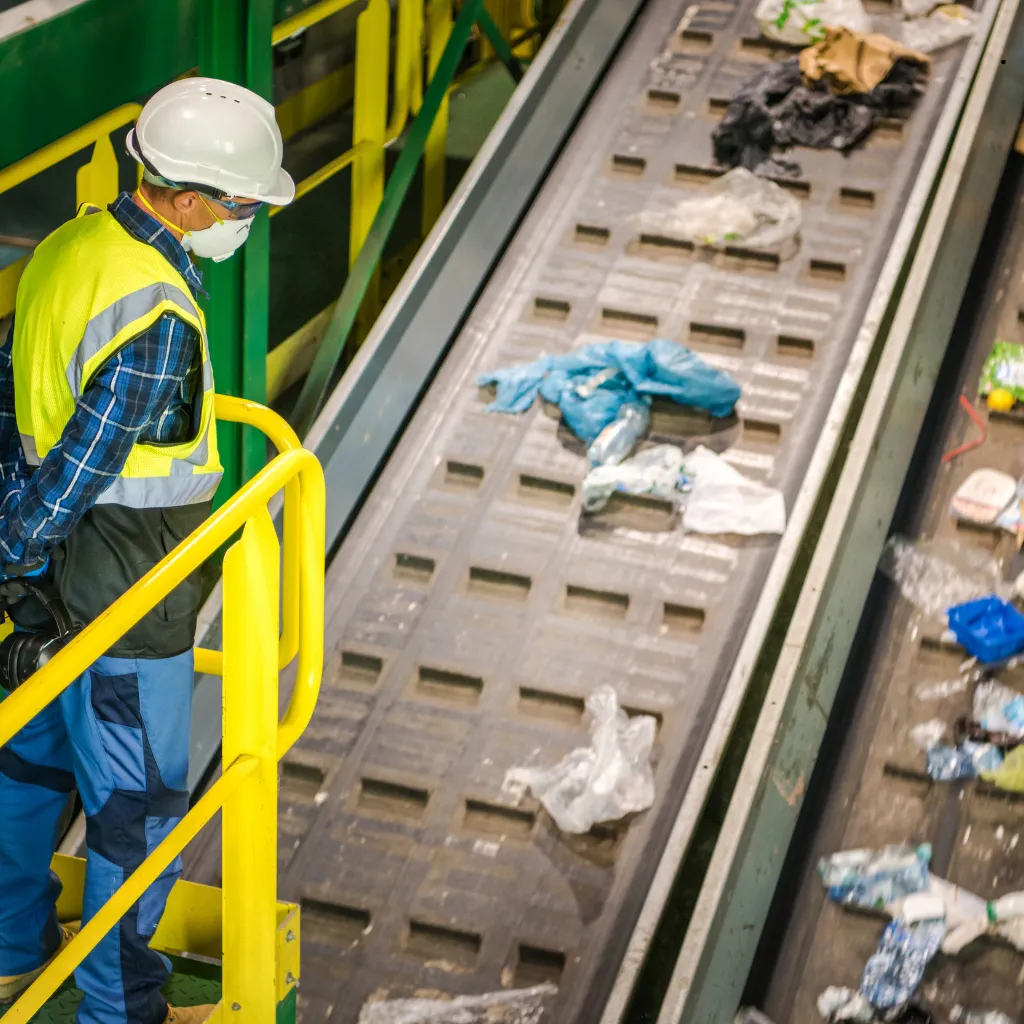
Managing waste has become one of the most pressing issues for cities and industries around the world. As landfills reach capacity and global laws on plastic and chemical disposal tighten, businesses can no longer afford to simply “throw things away.” They must now focus on recovering materials and reducing their environmental impact to stay legal and profitable.
However, there is a major skill gap in the workforce today. Many organizations have the right recycling bins but lack staff who actually understand the technical process of sorting, treating, and recovering resources efficiently. The ICTQual AB Level 4 International Diploma bridges this gap by providing a practical foundation in waste science. It moves past basic cleaning tasks and teaches the actual technology behind modern resource recovery.
By choosing this path, you learn how to identify different waste streams, handle hazardous materials safely, and operate advanced recycling systems. This course turns an interested learner into a trained professional who can help any company meet its green targets. By mastering the “how-to” of waste technology, you fill a vital role in the new circular economy where nothing is seen as trash and everything is treated as a resource.
Course Overview
Awarding Body
ICTQual AB
Credits
60
Study Mode
Online
Assessment
Assignment Based
Course Study Units
Foundation and Core Knowledge
- Introduction to Waste Management and Recycling Technology
- Sustainable Resource and Waste Reduction
- Waste Collection, Sorting, and Processing Techniques
- Environmental Legislation and Compliance in Waste Management
- Pollution Control and Environmental Impact Assessment
- Waste Management Project Planning and Leadership

Entry Requirements
Applicants are normally expected to meet the following requirements:
Who Can Enroll
This program is designed for people who want to turn their interest in the environment into a stable, professional career. It provides the practical training needed to work in the fast-growing world of resource recovery and urban cleaning.
- Individuals looking to get their first job in a professional recycling center or waste facility.
- Municipal workers or site cleaners who want a recognized certificate to help them get promoted to supervisor roles.
- Staff members in factories or warehouses who are now in charge of managing industrial scrap and hazardous materials.
- People who want an international qualification so they can apply for environmental jobs in other countries.
- Small business owners who want to set up better systems to reduce their waste and follow new green laws.
Course Learning Outcomes
Learning Outcomes for the ICTQual AB Level 3 International Diploma in Waste Management and Recycling Technology:
Foundation and Core Knowledge
Introduction to Waste Management and Recycling Technology
- Understand the fundamental principles of waste management and recycling technologies in modern industrial and urban contexts.
- Recognise the roles and responsibilities of individuals and organisations in promoting sustainable waste practices.
- Identify various types of waste, their sources, and potential environmental impacts.
- Develop awareness of waste hierarchy concepts, including reduction, reuse, and recycling strategies.
- Apply basic waste management principles to practical workplace scenarios and community initiatives.
Sustainable Resource and Waste Reduction
- Understand strategies for sustainable resource use and the reduction of waste generation in industrial and commercial settings.
- Evaluate methods for implementing circular economy principles to minimise environmental impact.
- Develop skills to plan and execute initiatives that reduce resource consumption and enhance recycling efficiency.
- Analyse the economic and environmental benefits of adopting sustainable resource and waste reduction practices.
- Assess emerging technologies and innovative approaches to improve sustainability in waste management.
Waste Collection, Sorting, and Processing Techniques
- Understand the processes involved in the collection, sorting, and processing of various types of waste.
- Develop practical skills to implement effective waste segregation and recycling procedures.
- Identify suitable methods for handling hazardous, organic, and recyclable waste safely and efficiently.
- Analyse operational workflows to improve waste management efficiency and compliance with environmental standards.
- Apply technology and automation solutions to optimise waste processing and resource recovery.
Environmental Legislation and Compliance in Waste Management
- Understand key national and international environmental regulations relevant to waste management and recycling.
- Interpret legal requirements to ensure organisational operations meet compliance obligations.
- Develop strategies to implement and monitor compliance measures within workplace environments.
- Evaluate the impact of legislation on industrial practices, waste processing, and environmental sustainability.
- Maintain awareness of changes in regulations and update practices to ensure ongoing compliance.
Pollution Control and Environmental Impact Assessment
- Understand the sources, types, and effects of pollution related to waste generation and disposal.
- Conduct basic environmental impact assessments to identify potential hazards and risks.
- Develop mitigation strategies to reduce environmental pollution in industrial and community contexts.
- Apply monitoring techniques to assess the effectiveness of pollution control measures.
- Prepare reports and recommendations for stakeholders to support sustainable waste management practices.
Waste Management Project Planning and Leadership
- Understand the principles of planning, managing, and executing waste management and recycling projects.
- Develop leadership and team management skills for implementing sustainability initiatives effectively.
- Apply project management techniques to allocate resources, plan timelines, and monitor outcomes.
- Communicate project objectives, progress, and results to stakeholders with clarity and professionalism.
- Evaluate project performance, identify areas for improvement, and implement lessons learned for future initiatives.