ICTQual AB Level 4 International Diploma in Disaster and Emergency Management
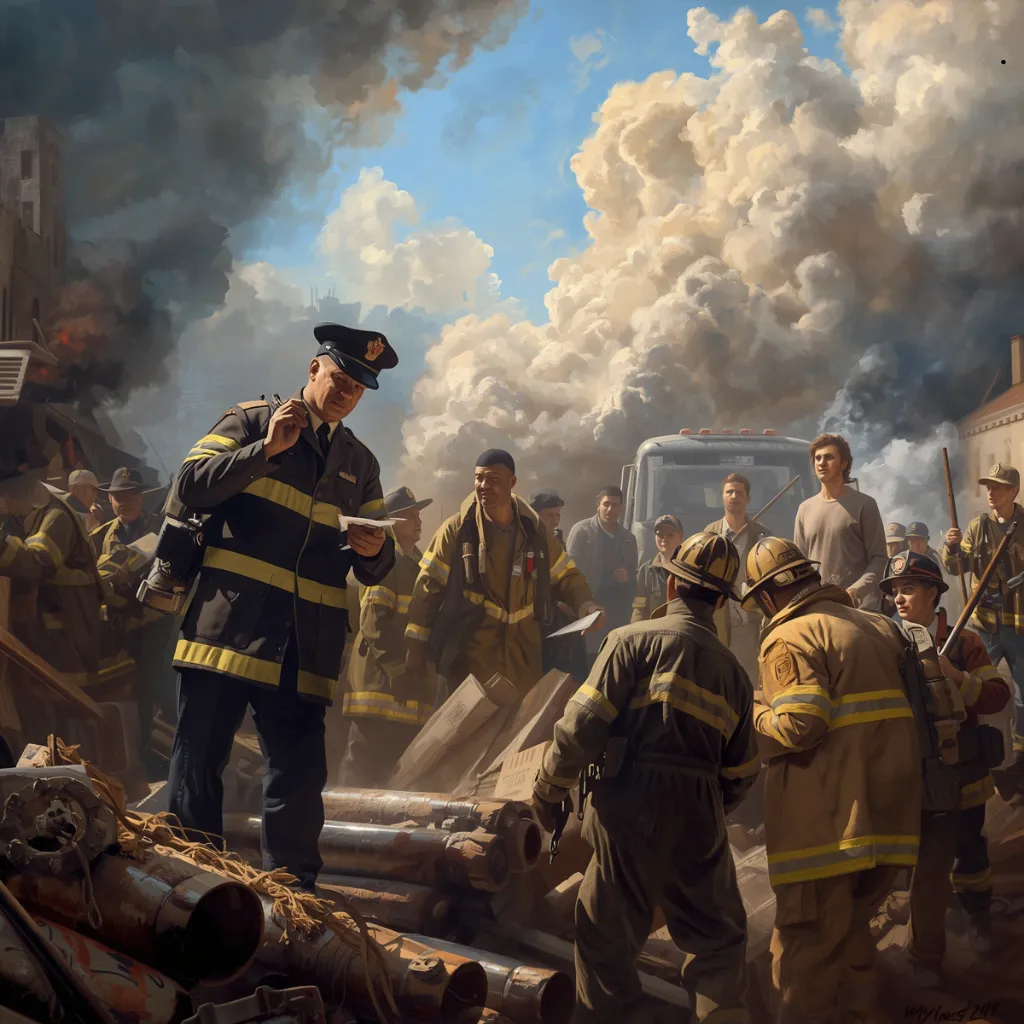
In recent years, the scale of both natural and man-made crises has increased, putting immense pressure on governments and private companies. From extreme weather events to industrial accidents and public health emergencies, the need for structured planning is critical. Many organizations currently face a dangerous skill gap; they have basic security but lack professionals who can coordinate a massive response under pressure. This shortage of trained experts often leads to confused reactions that can cost lives and destroy infrastructure.
The ICTQual AB Level 4 International Diploma bridges this gap by turning an applicant into a strategic responder. Instead of just reacting to trouble, you learn how to build systems that predict and mitigate threats before they strike. This course focuses on the technical side of emergency logistics, risk communication, and recovery planning. It moves past basic first aid and teaches you how to manage large-scale resources and lead diverse teams during a crisis.
By choosing this diploma, an applicant gains the specific skills that international aid agencies and corporate safety departments are looking for right now. It provides the technical foundation needed to create disaster-ready communities and businesses. You will learn to handle the complex legal and logistical hurdles that appear during an emergency. This program is a direct route for anyone who wants a career where they can protect society and lead the way when things go wrong.
Course Overview
Awarding Body
ICTQual AB
Credits
120
Study Mode
Online
Assessment
Assignment Based
Course Study Units
Year 1 – Foundation and Core Knowledge
- Introduction to Disaster and Emergency Management
- Principles of Risk Assessment and Hazard Identification
- Emergency Planning and Preparedness Strategies
- Incident Response Management
- Crisis Communication and Public Awareness
- Health and Safety in Emergency Situations
- Natural Disasters: Management and Mitigation
- Human-Made Disasters and Industrial Emergencies
- Resource Management and Logistics in Emergencies
- Community Resilience and Recovery Planning
- Legal, Ethical, and Policy Frameworks in Disaster Management
- Capstone Project / Case Studies in Disaster and Emergency Management

Entry Requirements
Applicants are normally expected to meet the following requirements:
Who Can Enroll
This diploma is built for those who want to be the calm voice of leadership during a crisis. It is a perfect fit for professionals ready to handle public safety and rapid response in high-pressure situations.
- People looking to start a professional career in disaster relief or emergency services.
- Members of the police, military, or fire services who need a recognized management certificate to move up.
- Safety officers responsible for evacuation planning in large venues, malls, or industrial plants.
- Individuals seeking to work for international NGOs or government disaster management cells.
- Security staff who want to transition into a high-level emergency planning role.
Course Learning Outcomes
Learning Outcomes for the ICTQual AB Level 4 International Diploma in Disaster and Emergency Management:
Year 1 – Foundation and Core Knowledge
Introduction to Disaster and Emergency Management
- Understand the core concepts, principles, and terminology used in disaster and emergency management.
- Recognise different types of disasters and emergencies and their impact on communities and organisations.
- Identify the roles and responsibilities of emergency management professionals.
- Analyse the global and local relevance of disaster preparedness and response strategies.
- Evaluate the importance of a structured approach to managing disasters and emergencies.
Principles of Risk Assessment and Hazard Identification
- Apply methods to identify hazards and assess associated risks effectively.
- Evaluate potential threats to communities, infrastructure, and organisations.
- Develop basic risk mitigation strategies to reduce vulnerability.
- Interpret risk data to support informed decision-making in emergency management.
- Prioritise risks based on severity and likelihood to enhance preparedness planning.
Emergency Planning and Preparedness Strategies
- Design effective emergency plans for different types of hazards.
- Understand the principles of preparedness, including resource allocation and contingency planning.
- Assess organisational readiness and capacity to respond to emergencies.
- Implement proactive measures to reduce the impact of potential disasters.
- Evaluate emergency plans regularly to ensure continual improvement and effectiveness.
Incident Response Management
- Execute emergency response protocols in a structured and timely manner.
- Coordinate multi-agency responses during incidents and crises.
- Monitor and evaluate the effectiveness of incident management procedures.
- Apply problem-solving and critical thinking skills in real-time emergency situations.
- Demonstrate leadership and decision-making during complex emergency scenarios.
Crisis Communication and Public Awareness
- Develop communication strategies for diverse audiences during emergencies.
- Utilise media and public information tools to disseminate timely updates.
- Promote public awareness of safety measures and preparedness plans.
- Manage misinformation and maintain transparency during crisis events.
- Evaluate communication strategies for effectiveness and adaptability in emergencies.
Health and Safety in Emergency Situations
- Identify occupational health and safety risks in disaster environments.
- Apply health and safety protocols to protect personnel and the public.
- Understand emergency medical procedures and first aid principles.
- Promote a culture of safety and compliance in emergency operations.
- Assess health and safety outcomes to improve future emergency response practices.
Natural Disasters: Management and Mitigation
- Recognise types of natural disasters and their causes.
- Analyse the impact of natural hazards on communities and infrastructure.
- Implement mitigation strategies to reduce the effects of natural disasters.
- Evaluate case studies to improve future disaster preparedness plans.
- Develop strategies for resilience-building in disaster-prone regions.
Human-Made Disasters and Industrial Emergencies
- Identify potential human-made and industrial hazards.
- Assess risks associated with technological, chemical, and industrial emergencies.
- Develop response plans tailored to specific industrial disaster scenarios.
- Apply preventative measures to minimise human-made disaster impacts.
- Review previous industrial disaster incidents to extract lessons for future planning.
Resource Management and Logistics in Emergencies
- Coordinate the allocation and deployment of resources during emergencies.
- Understand supply chain management principles in disaster contexts.
- Ensure effective logistics planning to support emergency operations.
- Monitor resource utilisation to maintain operational efficiency.
- Optimise resource distribution to improve response speed and effectiveness.
Community Resilience and Recovery Planning
- Analyse factors contributing to community resilience in the face of disasters.
- Develop strategies for long-term recovery and rehabilitation.
- Promote community engagement and participation in disaster planning.
- Evaluate recovery plans to enhance future disaster preparedness.
- Implement initiatives that strengthen social, economic, and environmental resilience.
Legal, Ethical, and Policy Frameworks in Disaster Management
- Understand international and national laws governing disaster management.
- Analyse ethical considerations in emergency response and decision-making.
- Apply policy frameworks to plan and implement emergency strategies.
- Ensure compliance with regulatory standards and best practices.
- Evaluate the impact of legal and policy decisions on emergency management outcomes.
Capstone Project / Case Studies in Disaster and Emergency Management
- Conduct in-depth research on real-world disaster and emergency scenarios.
- Apply theoretical knowledge to practical case studies and project work.
- Demonstrate problem-solving and analytical skills in managing complex emergencies.
- Present findings and recommendations effectively to stakeholders and peers.
- Critically evaluate case study outcomes to inform best practices in disaster management.