ICTQual AB Level 5 International Diploma in Industrial Safety & Risk Management
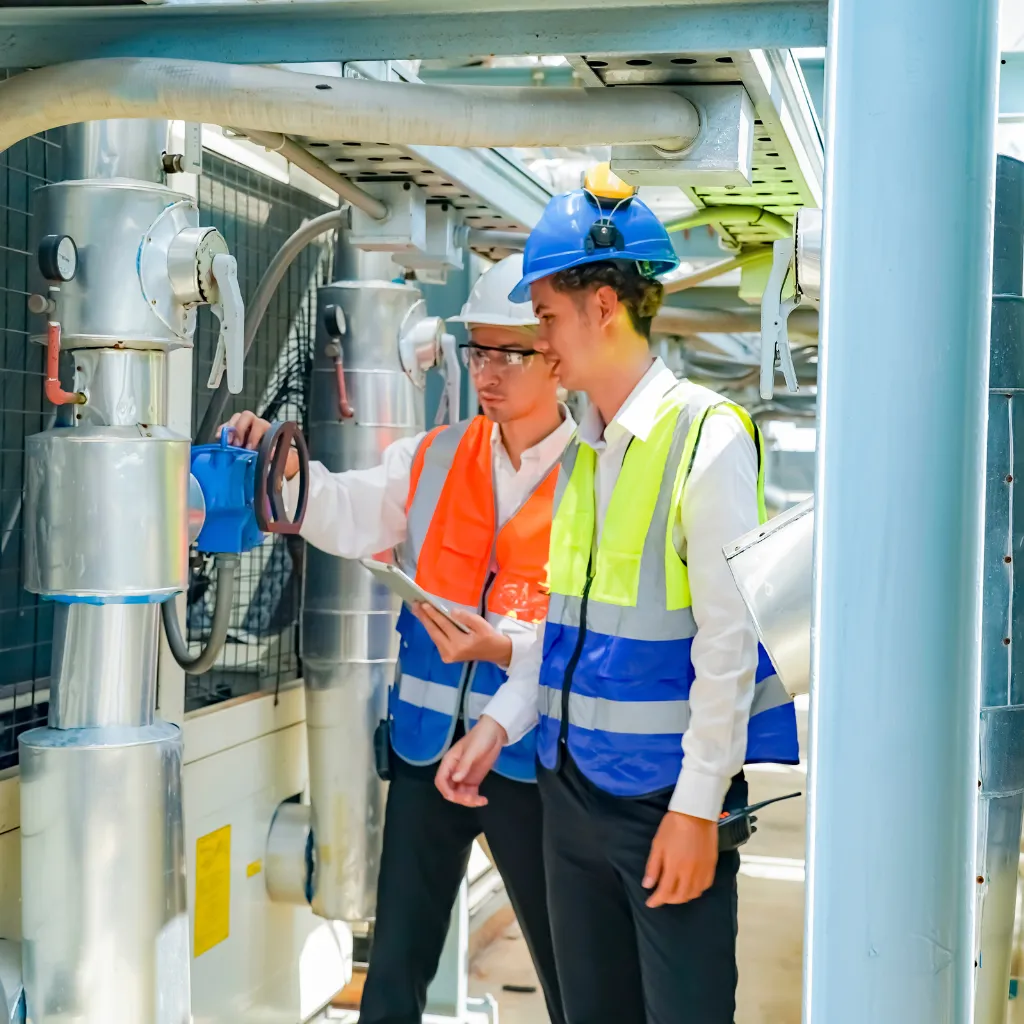
The ICTQual AB Level 5 International Diploma in Industrial Safety & Risk Management is a professional qualification designed to develop advanced knowledge and practical skills in workplace safety, hazard control, and risk management systems. This diploma is ideal for individuals aiming to build a strong career in industrial safety, health, and environmental protection across various industries such as construction, manufacturing, oil and gas, and engineering.
This comprehensive programme covers essential areas including risk assessment, safety regulations, accident prevention, emergency response planning, and occupational health management. Learners gain in-depth understanding of how to identify workplace hazards, implement effective safety procedures, and ensure compliance with international health and safety standards. The course also strengthens analytical thinking, problem-solving abilities, and decision-making skills required to manage safety in high-risk industrial environments.
By completing the ICTQual AB Level 5 Diploma in Industrial Safety & Risk Management, learners open doors to global career opportunities in safety supervision, risk analysis, and health and safety management roles. This qualification is suitable for both aspiring professionals and working individuals who want to enhance their expertise in industrial safety practices. With its strong focus on practical application and industry relevance, it prepares learners to contribute effectively toward safer, more compliant, and more efficient workplace environments.
Course Overview
Awarding Body
ICTQual AB
Credits
240 Credits
Study Mood
Online
Assessment
Assignments Based
Course Study Units
Year 1 – Foundation and Core Principles
- Introduction to Industrial Safety & Risk Management
- Workplace Hazard Identification
- Health and Safety Legislation and Compliance
- Risk Assessment and Control Measures
- Accident Investigation and Reporting
- Fire Safety and Emergency Preparedness
- Ergonomics and Safe Workplace Design
- Industrial Hygiene and Environmental Safety
- Personal Protective Equipment (PPE) and Safety Systems
- Safety Culture and Leadership
- Communication of Risks and Safety Procedures
- Practical Project: Safety Audit and Risk Analysis
Year 2 – Advanced Practices and Specialisation
- Advanced Risk Management Techniques
- Occupational Safety Auditing
- Emergency Response and Crisis Management
- Industrial Safety Monitoring and Performance Evaluation
- Workplace Safety Policy Development
- Behavioural Safety and Human Factors
- Safety Performance Measurement and KPIs
- Environmental Management and Sustainability in Industry
- Leadership in Industrial Safety
- Legal Compliance and Ethics in Safety Management
- Capstone Project: Industrial Safety Strategy Implementation
- Professional Development and Career Planning

Entry Requirements
Who Can Enroll
The ICTQual AB Level 5 International Diploma in Industrial Safety & Risk Management is designed for individuals who want to build or advance their careers in workplace safety, risk control, and industrial compliance. It is ideal for those aiming to work in high-risk industries where safety and hazard management are essential.
- Health and safety officers who want to upgrade their skills and qualifications
- Professionals working in construction, manufacturing, oil and gas, or engineering sectors
- Individuals seeking to start a career in industrial safety and risk management
- Supervisors and site managers responsible for workplace safety compliance
- Technical staff aiming to move into health, safety, and environmental management roles
Course Learning Outcomes
Year 1 – Foundation and Core Principles
Introduction to Industrial Safety & Risk Management
- Understand the fundamental concepts of industrial safety and risk management.
- Identify the role of safety management in organisational efficiency and compliance.
- Recognise common workplace hazards and their potential impact.
- Explain international and local safety standards and frameworks.
Workplace Hazard Identification
- Identify and categorise hazards in various industrial environments.
- Analyse potential risks associated with different workplace activities.
- Develop strategies to prioritise and mitigate hazards.
- Apply hazard identification techniques in practical scenarios.
Health and Safety Legislation and Compliance
- Understand key national and international safety laws and regulations.
- Interpret legal requirements and their implications for employers and employees.
- Ensure compliance with statutory duties and industry standards.
- Evaluate the consequences of non-compliance in industrial settings.
Risk Assessment and Control Measures
- Conduct comprehensive risk assessments using recognised methodologies.
- Develop effective control measures to reduce workplace risks.
- Apply risk assessment tools and techniques to real-world situations.
- Monitor and review the effectiveness of implemented controls.
Accident Investigation and Reporting
- Investigate workplace incidents systematically.
- Identify root causes and contributing factors of accidents.
- Prepare accurate and professional incident reports.
- Recommend corrective and preventive actions to avoid recurrence.
Fire Safety and Emergency Preparedness
- Understand fire hazards and prevention strategies.
- Develop and implement emergency response plans.
- Conduct fire drills and risk assessments effectively.
- Evaluate emergency procedures to improve organisational readiness.
Ergonomics and Safe Workplace Design
- Apply ergonomic principles to optimise workplace layout and design.
- Identify ergonomic risks affecting employee health and productivity.
- Recommend improvements to reduce strain and injury.
- Promote a culture of workplace well-being through design interventions.
Industrial Hygiene and Environmental Safety
- Monitor workplace environments for chemical, physical, and biological hazards.
- Implement measures to control exposure to harmful substances.
- Promote sustainable practices in industrial settings.
- Evaluate environmental safety programs for effectiveness.
Personal Protective Equipment (PPE) and Safety Systems
- Identify appropriate PPE for various industrial hazards.
- Demonstrate correct usage, maintenance, and storage of safety equipment.
- Assess the effectiveness of PPE and safety systems in reducing risks.
- Promote safety compliance through proper PPE practices.
Safety Culture and Leadership
- Understand the elements of a positive safety culture.
- Lead and influence teams to prioritise workplace safety.
- Encourage employee engagement in safety initiatives.
- Assess organisational culture and implement improvement strategies.
Communication of Risks and Safety Procedures
- Develop strategies to effectively communicate risks to staff and stakeholders.
- Use clear, concise, and professional language for safety instructions.
- Apply communication tools and methods for training and awareness.
- Evaluate the impact of communication on workplace safety compliance.
Practical Project: Safety Audit and Risk Analysis
- Conduct a practical safety audit in a simulated or real workplace environment.
- Analyse hazards, risks, and compliance gaps.
- Prepare professional reports with findings and recommendations.
- Apply theoretical knowledge to practical problem-solving scenarios.
Year 2 – Advanced Practices and Specialisation
Advanced Risk Management Techniques
- Analyse complex industrial risks and hazards.
- Implement advanced risk mitigation strategies.
- Integrate risk management into organisational decision-making.
- Evaluate the effectiveness of risk management plans.
Occupational Safety Auditing
- Conduct thorough internal and external safety audits.
- Identify compliance gaps and improvement areas.
- Prepare audit reports with actionable recommendations.
- Monitor follow-up actions and assess outcomes.
Emergency Response and Crisis Management
- Develop and implement emergency response plans for industrial incidents.
- Coordinate crisis management teams and procedures.
- Conduct simulations and evaluate emergency effectiveness.
- Apply lessons learned to enhance organisational preparedness.
Industrial Safety Monitoring and Performance Evaluation
- Implement systems to monitor workplace safety performance.
- Analyse safety data to identify trends and potential risks.
- Measure compliance with industry standards and KPIs.
- Recommend improvements based on performance evaluations.
Workplace Safety Policy Development
- Develop comprehensive workplace safety policies aligned with regulations.
- Ensure policies are effectively communicated and implemented.
- Review and update policies based on organisational needs.
- Align policy development with risk management and compliance goals.
Behavioural Safety and Human Factors
- Understand human factors contributing to workplace accidents.
- Apply behavioural safety techniques to reduce unsafe practices.
- Promote safe behaviours through training and awareness initiatives.
- Analyse incident data to identify behavioural patterns and implement interventions.
Safety Performance Measurement and KPIs
- Develop and monitor key performance indicators for safety management.
- Analyse data to assess organisational safety effectiveness.
- Implement corrective measures to address performance gaps.
- Report on safety outcomes for continuous improvement.
Environmental Management and Sustainability in Industry
- Integrate environmental safety into industrial operations.
- Promote sustainable practices alongside occupational safety measures.
- Monitor compliance with environmental regulations.
- Assess the impact of sustainability initiatives on workplace safety.
Leadership in Industrial Safety
- Demonstrate strategic leadership in safety management.
- Influence organisational culture to prioritise safety compliance.
- Lead safety committees and initiatives effectively.
- Evaluate leadership impact on workplace safety outcomes.
Legal Compliance and Ethics in Safety Management
- Apply legal and ethical principles in industrial safety management.
- Ensure organisational compliance with relevant regulations and standards.
- Promote ethical decision-making in safety practices.
- Evaluate the consequences of non-compliance and unethical behaviour.
Capstone Project: Industrial Safety Strategy Implementation
- Design and implement a comprehensive industrial safety strategy.
- Integrate knowledge and skills from all programme units.
- Analyse outcomes and provide strategic recommendations.
- Present findings in a professional report or presentation.
Professional Development and Career Planning
- Identify career pathways in industrial safety and risk management.
- Develop personal skills, CV, and interview readiness.
- Understand professional accreditation and certification opportunities.
- Create a plan for continuous learning and long-term career progression.