
ICTQual AB Level 5 International Diploma in Political Science & International Relations
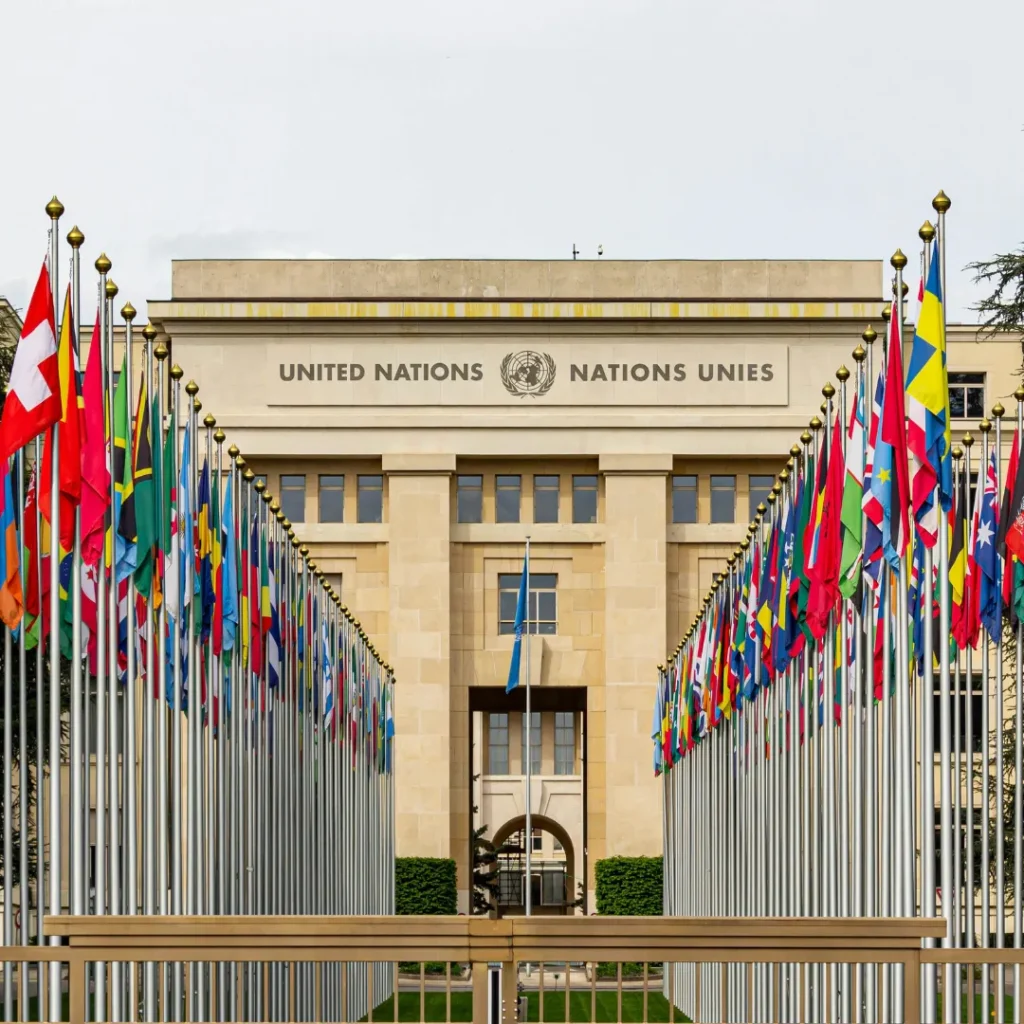
The ICTQual AB Level 5 International Diploma in Political Science & International Relations is an intermediate-level qualification designed for those ready to deepen their understanding of global affairs. Think of it as your bridge from basic awareness to confident analysis. Its purpose is to provide you with a solid understanding of political systems, international relations theories, and the forces that drive decision-making on the world stage. This diploma moves beyond news headlines to help you grasp the structures, ideologies, and strategies that shape our political world.
Firstly, you will gain a clear understanding of how governments function, how policies are developed, and how nations interact through diplomacy and conflict.This is not just academic learning; it is a practical framework for making sense of the complex world around you. Secondly, this diploma opens doors to meaningful career opportunities. It signals to employers in government, non-profits, international agencies, and media that you possess solid analytical skills, research abilities, and a respected international qualification in political studies.
This intermediate diploma is ideal for those already working in related fields who want to formalise their knowledge and gain a respected credential. It is also perfect for graduates or career changers who have completed foundational studies and are ready to move into more responsible positions. By the end of the ICTQual AB Level 5 International Diploma in Political Science & International Relations, you will have the analytical confidence to engage with political discourse at a professional level.
Course Overview
Awarding Body
ICTQual AB
Credits
260 Credits
Study Mood
Online
Assessment
Assignments Based
Course Study Units
Year 1 – Foundation and Core Political Science & International Relations
- Introduction to Political Science
- Principles of International Relations
- Comparative Politics and Government Systems
- Political Ideologies and Theories
- Public Policy and Administration
- International Organisations and Global Governance
- Diplomacy and Foreign Policy Basics
- Political Sociology and Human Behaviour
- Research Methods in Political Science
- Conflict Studies and Peacebuilding Foundations
- Communication Skills for Political and International Contexts
- Professional Development and Reflective Practice in Political Science
Year 2 – Advanced Applications and Strategic Political Science & International Relations
- Advanced Theories of International Relations
- Global Security and Strategic Studies
- International Law and Human Rights
- Political Economy and Development Studies
- Advanced Diplomacy and Negotiation Skills
- Regional Studies and Geopolitics
- Contemporary Issues in Global Politics
- Policy Analysis and Evaluation
- Political Leadership and Governance in Practice
- Innovation and Emerging Trends in International Affairs
- Monitoring and Evaluation of Political and Social Programmes
- Final Major Project in Political Science & International Relations

Entry Requirements
Who Can Enroll
This intermediate diploma is designed for individuals ready to build on foundational knowledge and develop professional analytical skills. The ideal learner is:
- Curious about how governments, organisations, and nations make decisions.
- Already working or interested in policy, diplomacy, journalism, or international affairs.
- Ready to analyse political issues with greater confidence and critical thinking.
- Passionate about understanding different political systems and global perspectives.
- Committed to engaging with complex global challenges in a thoughtful way.
Course Learning Outcomes
Year 1 – Foundation and Core Political Science & International Relations
Introduction to Political Science
- Demonstrate an understanding of the scope and nature of political science.
- Explain key concepts such as power, authority, and legitimacy.
- Analyse the relationship between politics, governance, and society.
- Apply political concepts to contemporary national and international issues.
Principles of International Relations
- Describe the origins and development of international relations as a discipline.
- Compare and contrast realist, liberal, and constructivist perspectives.
- Assess the role of state and non-state actors in global politics.
- Apply international relations theories to case studies of global issues.
Comparative Politics and Government Systems
- Identify different political systems and their institutional structures.
- Compare governance models across democratic and non-democratic regimes.
- Evaluate the strengths and weaknesses of various political systems.
- Relate comparative politics to contemporary policy challenges.
Political Ideologies and Theories
- Outline the main political ideologies including liberalism, conservatism, and socialism.
- Examine how ideologies shape political institutions and policies.
- Analyse ideological debates in historical and modern contexts.
- Apply political theories to evaluate political movements and policies.
Public Policy and Administration
- Define the policy-making process and its stages.
- Examine the relationship between governance, administration, and policy outcomes.
- Evaluate challenges in implementing public policies effectively.
- Apply policy analysis tools to real-world scenarios.
International Organisations and Global Governance
- Explain the role of international organisations in global politics.
- Assess the effectiveness of institutions such as the UN, WTO, and IMF.
- Evaluate the challenges of global governance in addressing international issues.
- Analyse the contribution of regional organisations to peace and security.
Diplomacy and Foreign Policy Basics
- Identify the principles and practices of diplomacy.
- Explain the stages of foreign policy development.
- Assess the role of diplomacy in conflict resolution.
- Apply basic negotiation skills to international case studies.
Political Sociology and Human Behaviour
- Explain the relationship between politics and social structures.
- Analyse the impact of culture, identity, and class on political behaviour.
- Evaluate voter behaviour and political participation patterns.
- Apply sociological perspectives to current political events.
Research Methods in Political Science
- Identify key qualitative and quantitative research methods.
- Apply appropriate research methodologies to political questions.
- Demonstrate the ability to collect and interpret political data.
- Evaluate the reliability and validity of political research findings.
Conflict Studies and Peacebuilding Foundations
- Define the concepts of conflict, violence, and peace.
- Examine the causes and dynamics of political and social conflicts.
- Assess peacebuilding strategies at local and international levels.
- Apply conflict resolution approaches to case studies.
Communication Skills for Political and International Contexts
- Demonstrate effective communication in political and professional settings.
- Apply public speaking and presentation skills to political debates.
- Develop persuasive writing for reports and policy briefs.
- Use media and digital platforms responsibly in political communication.
Professional Development and Reflective Practice in Political Science
- Reflect on personal strengths and areas for growth in political practice.
- Develop professional skills for careers in political science and international relations.
- Apply ethical principles to decision-making in political contexts.
- Create a personal development plan for future career progression.
Year 2 – Advanced Applications and Strategic Political Science & International Relations
Advanced Theories of International Relations
- Analyse advanced perspectives such as Marxism, feminism, and post-colonialism.
- Evaluate how theories explain global inequalities and power structures.
- Apply advanced IR theories to emerging global issues.
- Critically assess the limitations of traditional and modern IR theories.
Global Security and Strategic Studies
- Explain the concepts of national and international security.
- Evaluate security threats including terrorism, cyber warfare, and nuclear proliferation.
- Analyse the role of international alliances in security management.
- Apply strategic studies frameworks to global security challenges.
International Law and Human Rights
- Define the principles and sources of international law.
- Evaluate the role of treaties and conventions in shaping international behaviour.
- Assess the effectiveness of human rights institutions and frameworks.
- Apply international law concepts to real-world case studies.
Political Economy and Development Studies
- Explain the relationship between politics and economic development.
- Analyse the impact of globalisation on national economies.
- Evaluate policies addressing poverty, inequality, and development.
- Apply political economy perspectives to international case studies.
Advanced Diplomacy and Negotiation Skills
- Demonstrate advanced techniques in international negotiation.
- Assess the role of cultural awareness in diplomatic practice.
- Apply mediation and arbitration in complex diplomatic contexts.
- Evaluate real-world examples of successful and failed diplomacy.
Regional Studies and Geopolitics
- Identify key political and economic dynamics of different world regions.
- Analyse geopolitical competition between states and regions.
- Assess the role of geography in shaping international politics.
- Apply regional analysis to contemporary global conflicts.
Contemporary Issues in Global Politics
- Examine pressing global challenges such as climate change and migration.
- Evaluate the impact of technology on international relations.
- Assess how global inequalities shape political and economic outcomes.
- Apply political frameworks to analyse current world events.
Policy Analysis and Evaluation
- Define the principles of policy evaluation and assessment.
- Apply analytical tools to evaluate policy effectiveness.
- Assess the role of evidence-based policy in decision-making.
- Develop recommendations for improving public policy outcomes.
Political Leadership and Governance in Practice
- Examine different leadership styles in political contexts.
- Evaluate the relationship between leadership and governance outcomes.
- Analyse case studies of political leaders at national and international levels.
- Apply leadership skills to simulated political scenarios.
Innovation and Emerging Trends in International Affairs
- Identify key innovations shaping international relations.
- Assess the impact of artificial intelligence and digital diplomacy.
- Evaluate the role of social movements in shaping global politics.
- Apply foresight techniques to predict future global trends.
Monitoring and Evaluation of Political and Social Programmes
- Define monitoring and evaluation principles in political contexts.
- Apply frameworks to assess social and political programmes.
- Evaluate the effectiveness of international development projects.
- Develop recommendations based on evaluation outcomes.
Final Major Project in Political Science & International Relations
- Design and implement a research project in political science or IR.
- Demonstrate independent research and analytical skills.
- Apply theoretical knowledge to a practical political or global issue.
- Present findings effectively through written and oral formats.