ICTQual AB Level 5 International Diploma in Waste Management & Recycling Technology
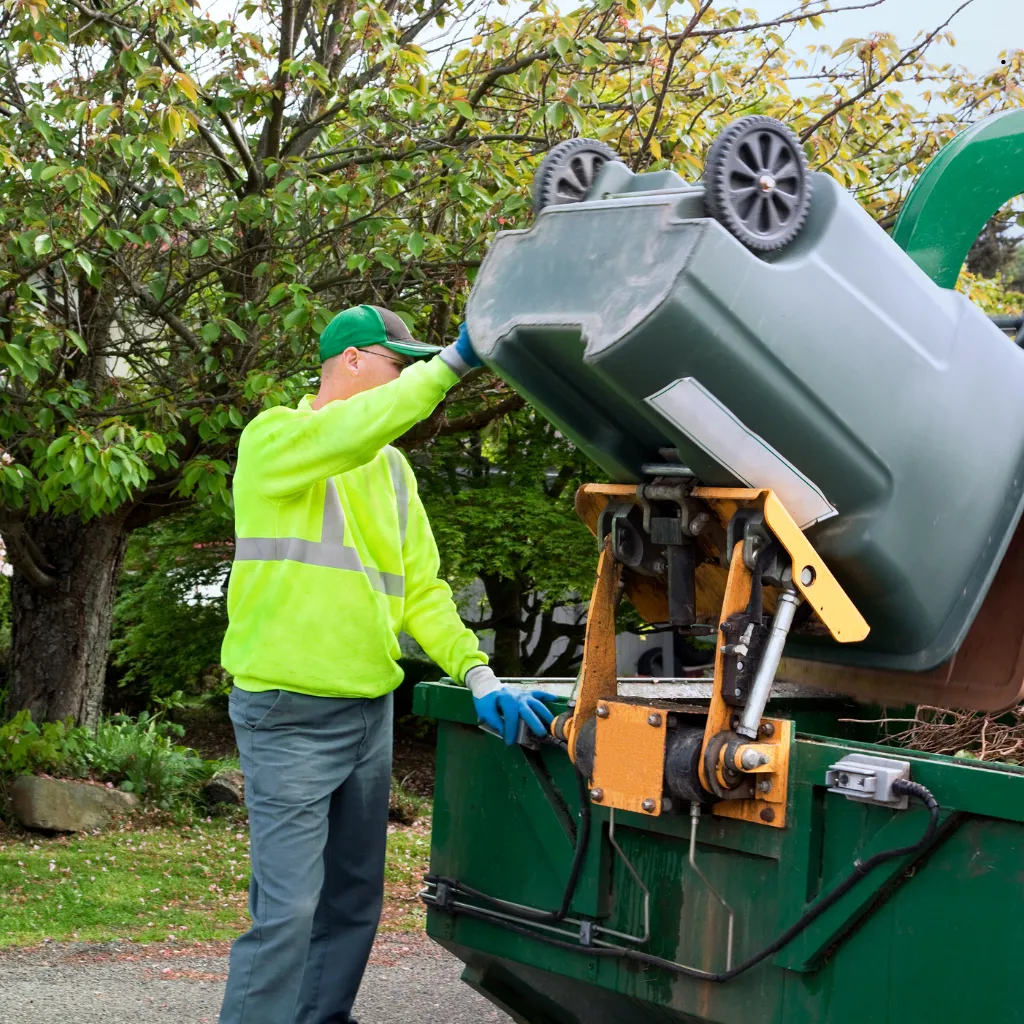
Waste management has shifted from simply moving trash to a sophisticated branch of technology and logistics. As cities grow and landfills reach their limits, the old “collect and dump” method is failing. Today, the global focus is on a circular economy where every piece of waste is seen as a potential resource. This change requires professionals who understand the chemistry of recycling, the mechanics of waste-to-energy plants, and the laws governing hazardous materials.
The ICTQual AB Level 5 International Diploma in Waste Management & Recycling Technology bridges the current skill gap by providing the technical training that basic certificates often miss. While many people understand that recycling is important, few have the skills to design and run large-scale recovery facilities. This diploma moves past basic awareness to teach you how to manage complex waste streams and use modern sorting technologies. It addresses the global shortage of managers who can balance environmental safety with operational profit.
By finishing this program, you gain the expertise needed to transform waste systems into efficient, sustainable operations. You will be prepared to fill the void in the industrial sector for leaders who can handle the technical and regulatory challenges of modern resource recovery. This qualification ensures you have the practical tools to lead recycling initiatives and manage large-scale waste treatment projects effectively in any part of the world.
Course Overview
Awarding Body
ICTQual AB
Credits
240
Study Mode
Online
Assessment
Assignment Based
Course Study Units
Year 1 – Foundation and Core Principles
- Introduction to Waste Management & Recycling Technology
- Principles of Environmental Science for Waste Management
- Waste Legislation and Compliance
- Environmental Risk Assessment Fundamentals
- Sustainable Waste Handling and Resource Management
- Hazardous Waste Management
- Recycling Processes and Technologies
- Health, Safety, and Environmental Awareness
- Laboratory Techniques in Waste Analysis
- Environmental Data Collection and Reporting
- Waste Management Project Planning
- Introduction to Environmental Standards and Regulations
Year 2 – Advanced Practices and Specialisation
- Advanced Waste Management Strategies
- Industrial Waste Management
- Recycling Technology Implementation
- Wastewater and Air Quality Management
- Sustainable Practices and Circular Economy
- Environmental Auditing and Compliance in Waste Management
- Climate Change and Waste Reduction Strategies
- Environmental Leadership and Team Management
- Policy Development for Waste Management
- Legal Compliance and Ethics in Waste Management
- Capstone Project: Waste Management Strategy Implementation
- Professional Development and Career Planning

Entry Requirements
Applicants are normally expected to meet the following requirements:
Who Can Enroll
This program is built for individuals who want to master the technical side of resource recovery and lead sustainable waste operations. It provides a clear path for those ready to move from general labor into specialized management roles within the global recycling industry.
- A waste site supervisor who needs a formal qualification to move into a senior plant management role.
- An engineering graduate looking to specialize in the technical processes of waste-to-energy and resource recovery.
- A sustainability officer tasked with improving a company’s recycling rates and reducing landfill costs.
- An applicant with a Level 4 diploma in science or engineering who wants to advance their technical expertise.
- A government official or local authority worker responsible for managing municipal waste and public health.
- An entrepreneur planning to start a recycling business who needs to understand international safety and legal standards.
Course Learning Outcomes
Learning Outcomes for the ICTQual AB Level 5 International Diploma in Waste Management & Recycling Technology:
Year 1 – Foundation and Core Principles
Introduction to Waste Management & Recycling Technology
- Understand the fundamentals of waste management and recycling processes.
- Recognise the role of sustainable waste management in organisational and environmental contexts.
- Identify key challenges and solutions in waste reduction and recycling.
- Develop awareness of professional responsibilities in waste management.
Principles of Environmental Science for Waste Management
- Understand ecological, chemical, and physical principles affecting waste management.
- Analyse interactions between natural systems and waste disposal practices.
- Apply scientific reasoning to address waste-related environmental challenges.
- Evaluate the environmental impact of different waste streams.
Waste Legislation and Compliance
- Understand national and international laws related to waste management & recycling technology.
- Ensure organisational compliance with environmental and waste regulations.
- Identify legal responsibilities and implications of non-compliance.
- Apply legislation to real-world waste management scenarios.
Environmental Risk Assessment Fundamentals
- Conduct basic environmental risk assessments for waste and recycling operations.
- Identify potential hazards and evaluate associated risks.
- Recommend mitigation strategies to minimise environmental impacts.
- Document and communicate risk assessment findings effectively.
Sustainable Waste Handling and Resource Management
- Understand principles of sustainable waste handling and resource conservation.
- Develop strategies for efficient collection, transportation, and disposal of waste.
- Evaluate environmental and economic impacts of waste management practices.
- Promote sustainable practices within organisational operations.
Hazardous Waste Management
- Identify types of hazardous waste and associated risks.
- Apply safe handling, storage, and disposal techniques.
- Understand regulatory requirements for hazardous materials.
- Develop strategies to mitigate environmental and health risks.
Recycling Processes and Technologies
- Understand various recycling technologies and methods.
- Evaluate the efficiency and environmental impact of recycling operations.
- Implement practical recycling solutions for different waste types.
- Promote innovative approaches to resource recovery and reuse.
Health, Safety, and Environmental Awareness
- Understand the integration of health, safety, and environmental management.
- Identify workplace hazards and environmental risks in waste management.
- Promote safety and sustainable practices in operational settings.
- Evaluate organisational compliance with HSE standards.
Laboratory Techniques in Waste Analysis
- Conduct laboratory tests to analyse waste samples.
- Apply proper lab safety and operational procedures.
- Interpret analytical results for decision-making.
- Record and report laboratory findings accurately.
Environmental Data Collection and Reporting
- Collect and organise waste management and environmental data.
- Use appropriate tools and techniques for data analysis.
- Prepare clear and professional reports for stakeholders.
- Communicate findings effectively to support decision-making.
Waste Management Project Planning
- Understand project management principles in waste management initiatives.
- Plan and execute small-scale waste management projects.
- Allocate resources and manage project timelines efficiently.
- Evaluate project outcomes and identify areas for improvement.
Introduction to Environmental Standards and Regulations
- Familiarise with key environmental and waste management standards.
- Apply regulatory frameworks to organisational operations.
- Assess compliance with international and local standards.
- Promote continuous improvement in waste management practices.
Year 2 – Advanced Practices and Specialisation
Advanced Waste Management Strategies
- Develop comprehensive strategies for efficient waste management.
- Implement advanced techniques for waste reduction and recycling.
- Integrate best practices into organisational planning.
- Evaluate the effectiveness of waste management strategies.
Industrial Waste Management
- Implement environmental management systems in industrial contexts.
- Identify and manage industrial hazards affecting waste disposal.
- Monitor and evaluate industrial waste management performance.
- Promote compliance with policies and environmental best practices.
Recycling Technology Implementation
- Apply advanced recycling technologies in operational settings.
- Evaluate the environmental and economic impact of recycling systems.
- Design and implement innovative recycling solutions.
- Monitor and improve recycling process efficiency.
Wastewater and Air Quality Management
- Monitor and assess wastewater, air emissions, and pollution levels.
- Apply management strategies to maintain environmental quality.
- Analyse data to identify pollution sources and trends.
- Recommend solutions for sustainable environmental practices.
Sustainable Practices and Circular Economy
- Understand principles of circular economy and resource sustainability.
- Develop strategies for reducing waste generation and promoting reuse.
- Implement sustainable practices in organisational operations.
- Evaluate the impact of sustainability initiatives on environmental performance.
Environmental Auditing and Compliance in Waste Management
- Conduct internal and external environmental audits.
- Identify non-compliance issues and recommend corrective actions.
- Monitor adherence to waste management regulations and standards.
- Support continuous improvement in organisational environmental performance.
Climate Change and Waste Reduction Strategies
- Understand the relationship between waste management and climate change.
- Develop strategies to reduce carbon footprint through waste reduction.
- Implement mitigation measures to address climate impacts.
- Evaluate effectiveness of sustainability initiatives.
Environmental Leadership and Team Management
- Develop leadership skills for managing environmental projects and teams.
- Coordinate team activities to achieve sustainability and compliance objectives.
- Foster a culture of environmental responsibility.
- Evaluate leadership effectiveness in driving waste management performance.
Policy Development for Waste Management
- Develop and implement waste management policies aligned with regulations.
- Communicate policies effectively to stakeholders.
- Monitor compliance and evaluate policy impact.
- Revise and improve policies based on organisational feedback.
Legal Compliance and Ethics in Waste Management
- Apply legal frameworks to waste management decision-making.
- Understand ethical considerations in environmental operations.
- Ensure organisational compliance with relevant laws and standards.
- Analyse consequences of non-compliance and ethical breaches.
Capstone Project: Waste Management Strategy Implementation
- Design and implement a comprehensive waste management strategy.
- Integrate knowledge and skills from all course units into a practical project.
- Analyse outcomes and provide strategic recommendations.
- Present findings in a professional report or presentation.
Professional Development and Career Planning
- Identify career pathways in waste management and recycling technology.
- Develop personal skills, CV, and interview readiness.
- Explore professional certification and development opportunities.
- Plan for continuous learning and long-term career progression.