ICTQual AB Level 6 International Diploma in Climate Change & Sustainability Studies
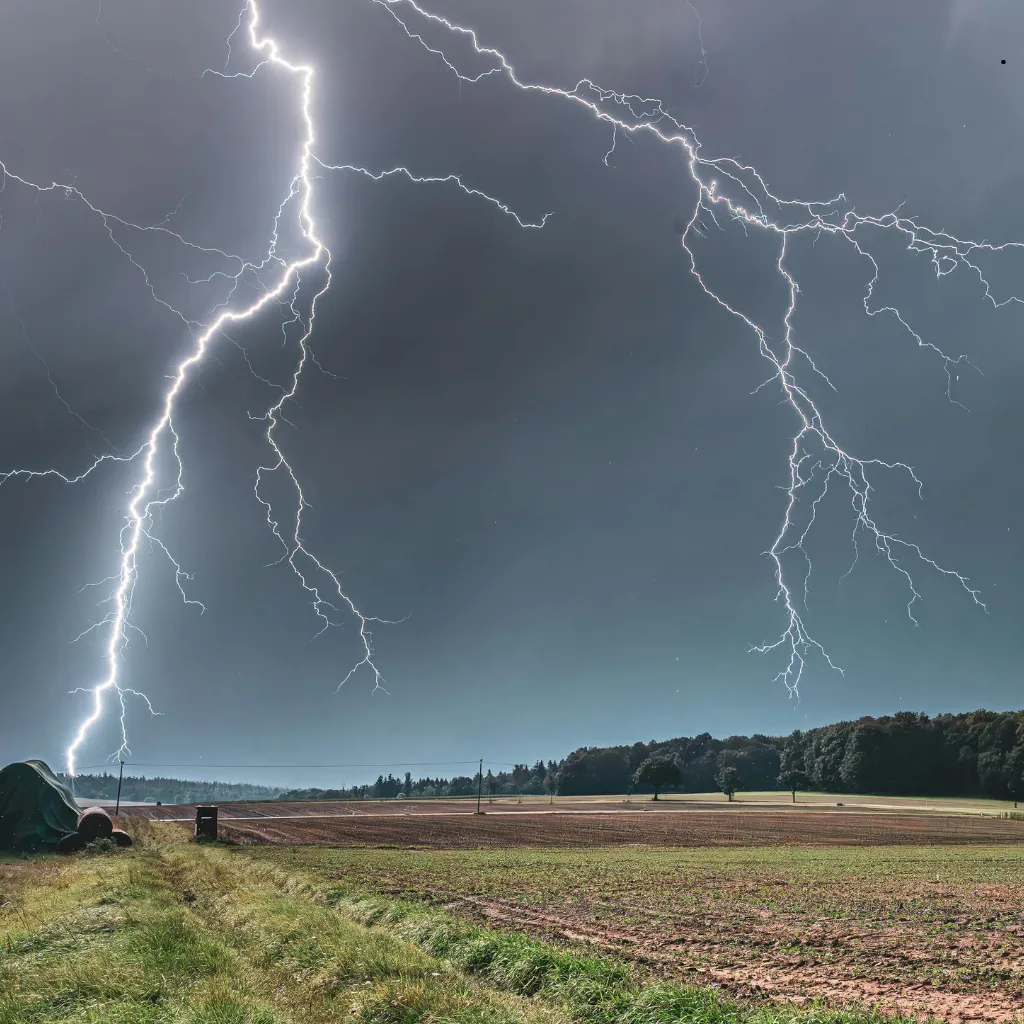
Climate Change & Sustainability Studies is the scientific and practical study of how human activities affect the environment and the strategies needed to create a sustainable future. It explores the causes and impacts of climate change, including global warming, greenhouse gas emissions, biodiversity loss, and resource depletion. The field also examines sustainable practices in energy, agriculture, industry, and urban planning, equipping learners with the knowledge to develop solutions that balance economic growth with environmental responsibility. This discipline is essential for addressing urgent global challenges and fostering long-term ecological resilience.
The ICTQual AB Level 6 International Diploma in Climate Change & Sustainability Studies builds on this foundation by providing an advanced understanding of environmental policies, carbon management, renewable energy, and sustainable business practices. The program combines theoretical insights with practical applications, enabling students to implement effective climate action strategies across various sectors. Graduates gain the skills to assess environmental risks, develop sustainability frameworks, and drive initiatives that minimize ecological impact while supporting organizational and societal goals.
This diploma is ideal for professionals, policymakers, and environmental practitioners aiming to make a real difference in sustainability. By completing the program, learners become equipped to lead environmental projects, influence policy decisions, and contribute meaningfully to the global effort against climate change. The course empowers graduates to become catalysts for positive environmental transformation worldwide.
Course Overview
Awarding Body
ICTQual AB
Credits
360 Credits
Study Mood
Online
Assessment
Assignments Based
Course Study Units
Year 1 – Foundations of Climate Change & Sustainability
- Introduction to Climate Change Science
- Principles of Sustainability and Environmental Management
- Global Environmental Policies and Governance
- Carbon Footprint and Greenhouse Gas Accounting
- Renewable Energy Fundamentals
- Climate Change Impacts and Adaptation Strategies
- Environmental Ethics and Professional Responsibility
- Sustainable Resource Management
- Environmental Monitoring and Data Analysis
- Introduction to Project Planning in Climate Initiatives
- Environmental Communication and Stakeholder Engagement
- Introduction to Risk Assessment in Environmental Management
Year 2 – Applied Climate Change & Sustainability Practices
- Advanced Climate Change Mitigation Strategies
- Sustainable Urban and Industrial Development
- Environmental Impact Assessment (EIA)
- Carbon Management and Trading
- Energy Efficiency and Renewable Integration
- Climate Policy Implementation and Compliance
- Waste Management and Circular Economy Principles
- Environmental Auditing and Reporting Techniques
- Digital Tools and Technologies for Sustainability
- Organisational Behaviour and Sustainability Leadership
- Research Methods in Climate and Sustainability Projects
- Applied Project Planning and Operational Management
Year 3 – Strategic Leadership in Climate Change & Sustainability
- Strategic Sustainability Leadership
- International Climate Agreements and Standards
- Environmental Risk and Crisis Management
- Corporate Social Responsibility (CSR) and Sustainability Strategy
- Sustainable Supply Chain and Resource Management
- Innovation and Emerging Technologies in Sustainability
- Climate Change Policy Development and Implementation
- Environmental Governance and Ethics in Leadership
- Advanced Project Management for Sustainability Initiatives
- Renewable Energy Systems and Integration Strategies
- Independent Research Project in Climate Change & Sustainability
- Capstone Project: Applied Climate Change & Sustainability Studies

Entry Requirements
Who Can Enroll
The ICTQual AB Level 6 International Diploma in Climate Change & Sustainability Studies is designed for professionals and individuals passionate about sustainability and climate action. It provides the knowledge and skills needed to drive meaningful environmental change.
- Environmental professionals aiming to advance their careers in sustainability and climate action.
- Corporate managers and executives responsible for implementing sustainable business strategies.
- Policymakers, government officials, and NGOs involved in environmental planning and climate policy.
- Graduates in environmental science, geography, or related fields seeking specialized knowledge in climate change.
- Consultants and advisors who provide solutions in renewable energy, carbon management, or sustainable development.
- Individuals planning to lead environmental projects, community initiatives, or corporate social responsibility programs.
Course Learning Outcomes
Year 1 – Foundations of Climate Change & Sustainability
1. Introduction to Climate Change Science
- Explain the science behind climate change, including greenhouse gases and global warming.
- Analyse the impact of human activities on climate systems.
2. Principles of Sustainability and Environmental Management
- Apply sustainability principles to organisational and societal contexts.
- Evaluate strategies for sustainable resource use and environmental protection.
3. Global Environmental Policies and Governance
- Interpret international environmental policies and agreements.
- Assess organisational compliance with global environmental regulations.
4. Carbon Footprint and Greenhouse Gas Accounting
- Measure and analyse carbon emissions in various sectors.
- Develop strategies to reduce organisational carbon footprints.
5. Renewable Energy Fundamentals
- Describe key renewable energy sources and technologies.
- Evaluate the environmental and economic impacts of renewable energy adoption.
6. Climate Change Impacts and Adaptation Strategies
- Identify potential environmental, social, and economic impacts of climate change.
- Formulate adaptation strategies to mitigate risks.
7. Environmental Ethics and Professional Responsibility
- Apply ethical principles in climate change and sustainability decision-making.
- Demonstrate accountability and responsibility in environmental projects.
8. Sustainable Resource Management
- Manage natural resources efficiently and sustainably.
- Analyse the environmental consequences of resource use.
9. Environmental Monitoring and Data Analysis
- Monitor environmental indicators using quantitative and qualitative methods.
- Interpret data to inform sustainability decision-making.
10. Introduction to Project Planning in Climate Initiatives
- Develop project plans for climate and sustainability initiatives.
- Identify resources, timelines, and risk considerations for projects.
11. Environmental Communication and Stakeholder Engagement
- Communicate sustainability objectives effectively to stakeholders.
- Develop engagement strategies to promote environmental awareness.
12. Introduction to Risk Assessment in Environmental Management
- Conduct basic environmental risk assessments.
- Propose mitigation measures for identified risks.
Year 2 – Applied Climate Change & Sustainability Practices
1. Advanced Climate Change Mitigation Strategies
- Design and implement mitigation strategies for carbon reduction.
- Evaluate effectiveness and feasibility of climate interventions.
2. Sustainable Urban and Industrial Development
- Apply sustainable development principles in urban and industrial contexts.
- Assess environmental impacts of construction and industrial projects.
3. Environmental Impact Assessment (EIA)
- Conduct comprehensive environmental impact assessments.
- Recommend measures to minimise negative environmental effects.
4. Carbon Management and Trading
- Develop carbon management plans and emission reduction strategies.
- Analyse carbon trading mechanisms and sustainability incentives.
5. Energy Efficiency and Renewable Integration
- Implement energy efficiency measures in industrial and commercial operations.
- Integrate renewable energy technologies into organisational strategies.
6. Climate Policy Implementation and Compliance
- Apply national and international climate policies to organisational settings.
- Monitor compliance and report environmental performance.
7. Waste Management and Circular Economy Principles
- Develop strategies for sustainable waste management and recycling.
- Apply circular economy principles to reduce resource consumption.
8. Environmental Auditing and Reporting Techniques
- Conduct environmental audits to assess sustainability performance.
- Prepare reports in line with international standards and regulations.
9. Digital Tools and Technologies for Sustainability
- Utilise digital tools for monitoring, analysis, and reporting.
- Assess technology effectiveness in supporting sustainability goals.
10. Organisational Behaviour and Sustainability Leadership
- Promote a culture of sustainability within organisations.
- Apply leadership skills to drive environmental initiatives.
11. Research Methods in Climate and Sustainability Projects
- Apply research methodologies to sustainability and climate projects.
- Analyse and interpret data to support decision-making.
12. Applied Project Planning and Operational Management
- Plan and execute operational projects in climate change and sustainability.
- Manage resources, timelines, and stakeholders effectively.
Year 3 – Strategic Leadership in Climate Change & Sustainability
1. Strategic Sustainability Leadership
- Lead organisational sustainability strategies at a strategic level.
- Align projects with global sustainability objectives.
2. International Climate Agreements and Standards
- Evaluate international climate agreements and their impact on organisations.
- Ensure organisational compliance with global sustainability standards.
3. Environmental Risk and Crisis Management
- Identify and manage risks in complex environmental projects.
- Develop contingency plans for environmental crises.
4. Corporate Social Responsibility (CSR) and Sustainability Strategy
- Integrate CSR strategies into sustainability planning.
- Measure and report organisational social and environmental impact.
5. Sustainable Supply Chain and Resource Management
- Implement sustainable practices across supply chains.
- Analyse resource flows and optimise for environmental efficiency.
6. Innovation and Emerging Technologies in Sustainability
- Evaluate new technologies for energy, resource efficiency, and emissions reduction.
- Apply innovative solutions to complex sustainability challenges.
7. Climate Change Policy Development and Implementation
- Develop organisational climate policies and procedures.
- Implement and monitor policy effectiveness in operational settings.
8. Environmental Governance and Ethics in Leadership
- Promote ethical practices and governance frameworks in environmental management.
- Ensure decision-making aligns with international environmental standards.
9. Advanced Project Management for Sustainability Initiatives
- Plan, manage, and evaluate complex sustainability projects.
- Ensure projects meet technical, environmental, and regulatory objectives.
10. Renewable Energy Systems and Integration Strategies
- Design and implement renewable energy solutions for organisations.
- Assess environmental, technical, and financial feasibility.
11. Independent Research Project in Climate Change & Sustainability
- Conduct independent research on a relevant sustainability topic.
- Analyse findings and present evidence-based recommendations.
12. Capstone Project: Applied Climate Change & Sustainability Studies
- Integrate knowledge and skills from all units into a comprehensive project.
- Demonstrate applied problem-solving, strategic planning, and sustainability leadership.