ICTQual AB Level 6 International Diploma in Fire Safety & Firefighting Technology
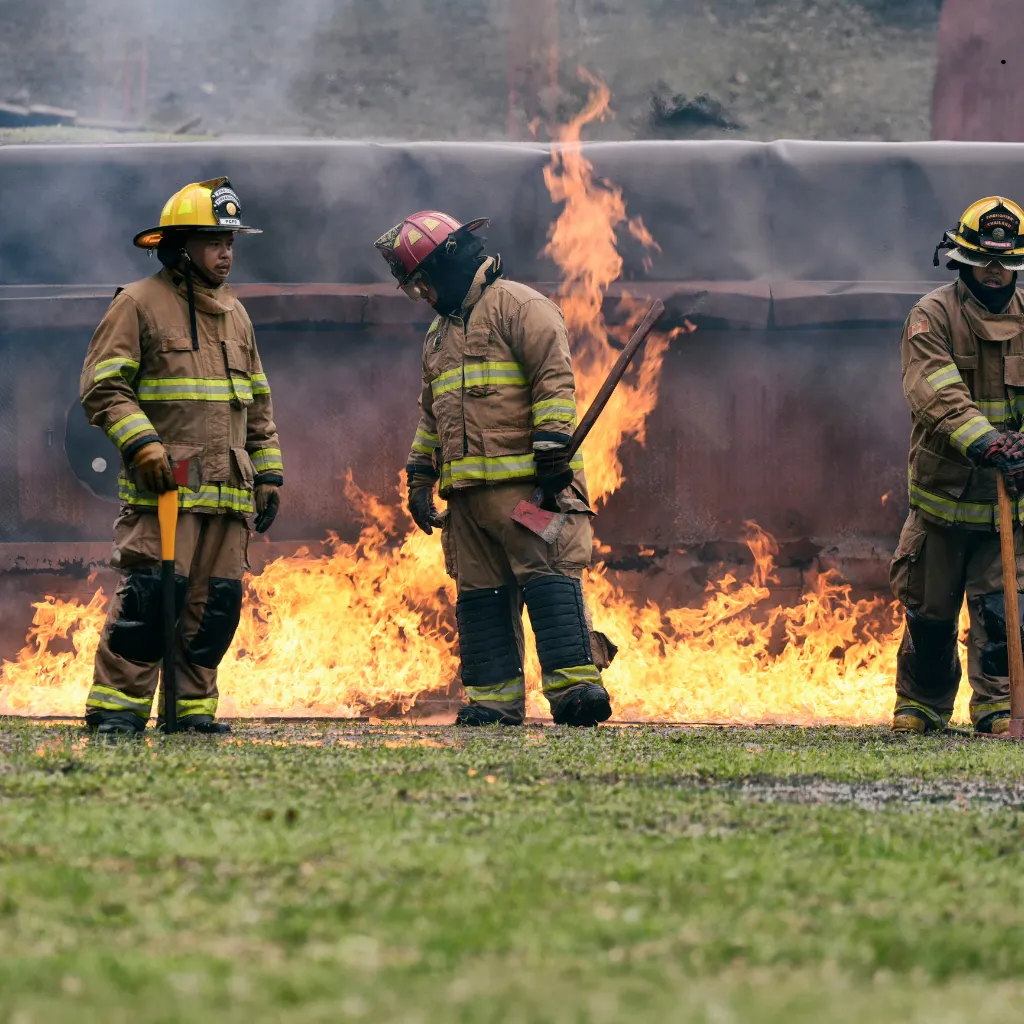
The ICTQual AB Level 6 International Diploma in Fire Safety & Firefighting Technology is a globally recognized qualification designed for professionals seeking advanced knowledge and expertise in fire prevention, safety management, and firefighting techniques. This diploma provides comprehensive training in the principles of fire safety, risk assessment, emergency response, and firefighting operations, equipping learners to handle critical fire-related situations effectively. It is ideal for safety officers, firefighters, engineers, and anyone pursuing a career in fire safety management.
This advanced program covers essential aspects of fire science, including fire behavior, detection systems, fire suppression methods, and legal compliance in occupational safety. Learners gain practical skills through simulations, case studies, and scenario-based exercises, preparing them to implement effective fire prevention strategies in industrial, commercial, and residential environments. The curriculum also emphasizes leadership, emergency planning, and team management, ensuring graduates can take on supervisory and managerial roles in fire safety operations.
By completing the ICTQual AB Level 6 International Diploma in Fire Safety & Firefighting Technology, participants enhance their professional credibility and open doors to career advancement in safety consultancy, firefighting services, and corporate risk management. This qualification equips learners with the technical expertise, strategic knowledge, and confidence to make a significant impact in fire safety and emergency response, promoting safer workplaces and communities worldwide.
Course Overview
Awarding Body
ICTQual AB
Credits
360 Credits
Study Mood
Online
Assessment
Assignments Based
Course Study Units
Year 1 – Foundation in Fire Safety & Firefighting Technology
- Principles of Fire Science and Combustion
- Introduction to Fire Safety Management
- Fire Dynamics and Behaviour
- Fire Prevention and Hazard Identification
- Basics of Firefighting Equipment
- Health, Safety, and Environmental Awareness
- Fire Risk Assessment Fundamentals
- Emergency Response Planning
- Laboratory Techniques in Fire Safety
- Technical Report Writing
- Introduction to Fire Safety Regulations and Standards
- Fire Simulation and Safety Software Basics
Year 2 – Intermediate Fire Safety & Firefighting Technology
- Advanced Fire Risk Assessment Techniques
- Fire Detection and Alarm Systems
- Fire Suppression Systems and Methods
- Industrial Fire Safety Management
- Fire Safety in High-Risk Environments
- Emergency Evacuation Planning and Procedures
- Process Control and Safety Automation
- Data Analysis and Fire Incident Investigation
- Project Planning and Technical Communication
- Quality Control and Assurance in Fire Safety
- Advanced Laboratory Experiments in Fire Safety
- Fire Safety Compliance and Regulatory Standards
Year 3 – Advanced Fire Safety & Firefighting Technology
- Advanced Firefighting Techniques and Strategies
- Fire Safety Project Management
- Fire Behaviour Modelling and Simulation
- Hazardous Materials and Industrial Fire Protection
- Emergency Response Leadership and Coordination
- Risk Assessment and Safety Decision-Making
- Fire Safety in Large-Scale Facilities and Complex Sites
- Advanced Laboratory Techniques and Field Testing
- Supply Chain and Logistics in Fire Safety Operations
- Capstone Project in Fire Safety & Firefighting Technology
- Professional Development and Leadership in Safety Management
- Strategic Decision-Making in Fire Safety and Emergency Operations

Entry Requirements
Who Can Enroll
The ICTQual AB Level 6 International Diploma in Fire Safety & Firefighting Technology is designed for professionals aiming to advance their careers in fire safety, emergency response, and firefighting management. This program suits those who want expert knowledge and practical skills to lead safety operations and manage fire-related risks effectively.
- Firefighters seeking advanced technical knowledge and leadership skills
- Safety officers and emergency response personnel in industrial, commercial, or public sectors
- Health and safety professionals aiming to specialize in fire prevention and emergency management
- Engineers and technical staff involved in fire safety system design or operations
- Individuals aspiring to supervisory or managerial roles in fire safety, risk management, or emergency services
Course Learning Outcomes
Year 1 – Foundation in Fire Safety & Firefighting Technology
Principles of Fire Science and Combustion
- Understand the chemistry and physics of fire, including combustion processes.
- Analyse fire behaviour under different conditions.
- Apply fire science principles to practical safety measures.
Introduction to Fire Safety Management
- Learn the fundamentals of fire safety planning and management.
- Understand roles and responsibilities in fire safety operations.
- Implement basic strategies for workplace and industrial fire safety.
Fire Dynamics and Behaviour
- Examine fire growth, spread, and heat transfer mechanisms.
- Analyse factors influencing fire intensity and development.
- Apply fire dynamics knowledge to safety and prevention strategies.
Fire Prevention and Hazard Identification
- Identify common fire hazards in industrial and commercial settings.
- Implement preventive measures to minimise fire risks.
- Conduct basic hazard assessments to inform safety planning.
Basics of Firefighting Equipment
- Understand the function and operation of firefighting tools and systems.
- Apply equipment knowledge in controlled training scenarios.
- Ensure proper maintenance and readiness of firefighting apparatus.
Health, Safety, and Environmental Awareness
- Learn key health and safety principles relevant to Fire Safety & Firefighting Technology.
- Understand environmental impacts of fire and firefighting.
- Implement safe practices in all fire safety operations.
Fire Risk Assessment Fundamentals
- Conduct basic fire risk assessments in various settings.
- Identify potential hazards, evaluate risks, and recommend controls.
- Prepare foundational risk assessment reports.
Emergency Response Planning
- Develop emergency response strategies for fire incidents.
- Plan evacuation procedures and resource allocation.
- Coordinate initial emergency response efforts effectively.
Laboratory Techniques in Fire Safety
- Conduct controlled experiments to analyse fire behaviour.
- Record and interpret experimental data.
- Apply laboratory results to practical safety solutions.
Technical Report Writing
- Develop skills to produce professional fire safety reports.
- Present data, analysis, and recommendations clearly.
- Apply proper formatting, referencing, and technical writing conventions.
Introduction to Fire Safety Regulations and Standards
- Understand local and international fire safety regulations.
- Apply standards to ensure compliance in practical scenarios.
- Evaluate safety policies and procedures against regulatory requirements.
Fire Simulation and Safety Software Basics
- Gain basic proficiency in fire simulation and modelling tools.
- Analyse potential fire scenarios using software applications.
- Apply simulation results to improve fire safety planning.
Year 2 – Intermediate Fire Safety & Firefighting Technology
Advanced Fire Risk Assessment Techniques
- Conduct in-depth fire risk assessments for complex environments.
- Implement quantitative and qualitative assessment methods.
- Recommend advanced control measures based on assessment outcomes.
Fire Detection and Alarm Systems
- Understand principles of fire detection and alarm technologies.
- Analyse system performance and reliability.
- Implement appropriate detection and warning strategies.
Fire Suppression Systems and Methods
- Learn advanced fire suppression techniques, including sprinkler and gas systems.
- Evaluate effectiveness in different scenarios.
- Apply suppression methods safely and efficiently.
Industrial Fire Safety Management
- Manage fire safety programmes in industrial and commercial facilities.
- Monitor compliance and performance of safety systems.
- Integrate fire safety planning with operational processes.
Fire Safety in High-Risk Environments
- Identify hazards in chemical plants, oil & gas, and other high-risk sites.
- Develop tailored fire safety strategies.
- Implement mitigation and emergency response plans.
Emergency Evacuation Planning and Procedures
- Design comprehensive evacuation plans.
- Coordinate drills and emergency response exercises.
- Ensure effective communication during emergencies.
Process Control and Safety Automation
- Integrate automated safety systems in industrial operations.
- Analyse control processes for reliability and efficiency.
- Optimise safety automation to prevent fire incidents.
Data Analysis and Fire Incident Investigation
- Analyse data from fire incidents to identify causes.
- Prepare incident investigation reports with recommendations.
- Apply findings to prevent future occurrences.
Project Planning and Technical Communication
- Plan and manage fire safety projects.
- Communicate technical information clearly to stakeholders.
- Apply project management principles to ensure timely completion.
Quality Control and Assurance in Fire Safety
- Monitor and evaluate fire safety systems and processes.
- Implement quality assurance techniques to ensure standards compliance.
- Conduct audits and inspections to verify system performance.
Advanced Laboratory Experiments in Fire Safety
- Perform complex laboratory simulations and tests.
- Analyse results to validate fire safety models.
- Apply experimental findings to practical scenarios.
Fire Safety Compliance and Regulatory Standards
- Interpret advanced regulations and industry standards.
- Ensure operational compliance in all fire safety activities.
- Develop strategies to maintain continuous regulatory adherence.
Year 3 – Advanced Fire Safety & Firefighting Technology
Advanced Firefighting Techniques and Strategies
- Master advanced methods for fire suppression in diverse scenarios.
- Apply tactical decision-making in high-pressure situations.
- Integrate knowledge of fire dynamics with practical firefighting.
Fire Safety Project Management
- Lead large-scale fire safety projects.
- Coordinate teams, resources, and timelines efficiently.
- Evaluate project outcomes and implement continuous improvement strategies.
Fire Behaviour Modelling and Simulation
- Apply modelling techniques to predict fire spread and impact.
- Analyse simulation results for planning and prevention.
- Optimise safety strategies using predictive tools.
Hazardous Materials and Industrial Fire Protection
- Identify risks associated with hazardous substances.
- Implement specialised protection systems for industrial environments.
- Apply emergency response techniques specific to hazardous materials.
Emergency Response Leadership and Coordination
- Lead multidisciplinary teams during fire emergencies.
- Develop coordination protocols for rapid and effective responses.
- Evaluate and improve emergency response strategies.
Risk Assessment and Safety Decision-Making
- Conduct comprehensive risk assessments in complex scenarios.
- Apply analytical frameworks for strategic safety decisions.
- Recommend measures to minimise fire risks in industrial operations.
Fire Safety in Large-Scale Facilities and Complex Sites
- Manage fire safety in factories, refineries, and commercial complexes.
- Develop operational plans for multi-level facilities.
- Implement monitoring and compliance strategies effectively.
Advanced Laboratory Techniques and Field Testing
- Conduct advanced experiments and field tests.
- Validate fire safety systems and operational protocols.
- Analyse results for optimisation and compliance purposes.
Supply Chain and Logistics in Fire Safety Operations
- Understand procurement, distribution, and maintenance of fire safety equipment.
- Optimise logistics for emergency preparedness.
- Integrate supply chain management with operational safety planning.
Capstone Project in Fire Safety & Firefighting Technology
- Undertake a comprehensive, real-world fire safety project.
- Demonstrate integration of all theoretical and practical knowledge.
- Present findings and solutions professionally.
Professional Development and Leadership in Safety Management
- Develop leadership, teamwork, and communication skills.
- Prepare for senior roles in fire safety and emergency management.
- Apply strategic planning and operational oversight in professional contexts.
Strategic Decision-Making in Fire Safety and Emergency Operations
- Make informed, high-level decisions in fire safety management.
- Evaluate risks, operational constraints, and resources strategically.
- Implement policies and procedures for long-term fire safety optimisation.