ICTQual AB Level 6 International Diploma in Occupational Health & Safety (OHS)
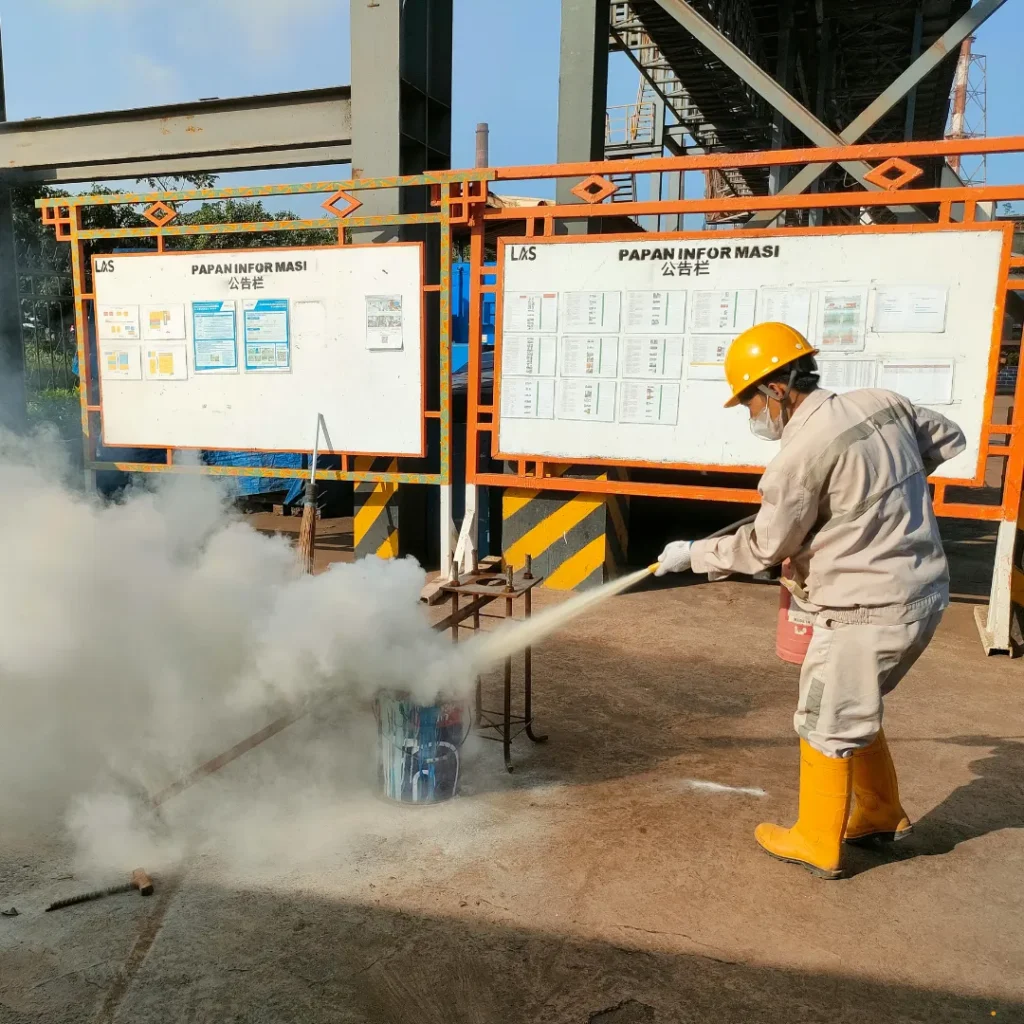
The ICTQual AB Level 6 International Diploma in Occupational Health & Safety (OHS) is a professional qualification designed to provide learners with advanced knowledge and practical skills in workplace health and safety management. Its purpose is to prepare individuals to identify hazards, assess risks, and implement effective safety measures that protect employees and improve organizational performance. This diploma focuses on building strong foundations in occupational health, safety legislation, and risk management practices, making it highly relevant for professionals across diverse industries.
One of the key benefits of this course is its practical approach to occupational safety. Learners gain the ability to apply safety principles in real-world scenarios, manage workplace risks, and respond effectively to emergencies. The program emphasizes hands-on learning, enabling participants to handle complex safety challenges in sectors such as construction, manufacturing, oil & gas, healthcare, and energy. By completing this diploma, learners strengthen their professional profile and demonstrate competence in creating safer work environments.
Additionally, the diploma offers career-focused advantages. It enhances employability by showcasing expertise in occupational health and safety, a skill set in high demand worldwide. Organizations benefit from employees trained to reduce accidents, improve compliance, and boost productivity through safer practices. For learners, this qualification provides a pathway to professional growth, recognition, and the ability to contribute meaningfully to workplace safety and organizational success. Ultimately, it empowers professionals to take on leadership roles in safety management and make a lasting impact in their industries.
Course Overview
Awarding Body
ICTQual AB
Credits
360 Credits
Study Mood
Online
Assessment
Assignments Based
Course Study Units
Year 1 – Foundation of Occupational Health & Safety (OHS)
- Principles of Occupational Health & Safety Management
- International Health & Safety Legislation and Compliance
- Risk Assessment and Hazard Identification
- Accident Investigation and Incident Reporting
- Fire Safety and Emergency Preparedness
- Environmental Health & Safety (EHS) Fundamentals
- Workplace Ergonomics and Human Factors
- Safety Culture and Behavioural Safety
- Occupational Health and Industrial Hygiene
- Personal Protective Equipment (PPE) Management
- Workplace Safety Auditing and Monitoring
- Communication and Training in Health & Safety
Year 2 – Applied Occupational Health & Safety (OHS)
- Advanced Risk Management and Control Strategies
- Safety Leadership and Organizational Culture
- International Standards and ISO 45001 Implementation
- Construction and High-Risk Industry Safety
- Process Safety and Chemical Hazard Management
- Occupational Disease Prevention and Control
- Crisis and Disaster Management in the Workplace
- Transportation and Logistics Safety Management
- Contractor and Supply Chain Safety Oversight
- Sustainability and Corporate Responsibility in OHS
- Research Methods in Occupational Health & Safety
- Final Project / Professional Practice in OHS
Year 3 – Professional Competence and Specialized OHS Practice
- Strategic OHS Management and Policy Development
- Advanced Workplace Health Promotion and Well-being
- Safety Technology, Digital Tools, and Data Analytics
- Global Perspectives in Occupational Health & Safety
- Corporate Governance and Ethical Responsibilities in OHS
- Industrial Safety in Oil, Gas, and Energy Sectors
- Safety in Healthcare and Public Service Environments
- Emerging Risks and Future Trends in Workplace Safety
- Training Design and Development for OHS Professionals
- Independent Research Project in Occupational Health & Safety
- Professional Practice, Portfolio, and Competence Review
- Final Capstone Project / Dissertation

Entry Requirements
Who Can Enroll
The ICTQual AB Level 6 International Diploma in Occupational Health & Safety (OHS) is designed for professionals who are eager to strengthen their expertise in workplace safety and health management.
- Motivated to build a career in occupational health and safety
- Interested in developing advanced skills in risk assessment and hazard control
- Keen to apply safety practices across industries such as construction, manufacturing, oil & gas, healthcare, and energy
- Looking to enhance professional credibility and career opportunities in safety management
- Committed to promoting a strong safety culture and wellbeing at work
- Ready to take on leadership responsibilities in occupational health and safety
Course Learning Outcomes
Year 1 – Foundation of Occupational Health & Safety (OHS)
1. Principles of Occupational Health & Safety Management
- Demonstrate understanding of OHS management systems.
- Integrate safety into business operations.
- Apply planning, implementing, and monitoring practices.
- Evaluate roles of employers, employees, and stakeholders.
2. International Health & Safety Legislation and Compliance
- Identify key international and regional laws.
- Interpret compliance requirements across industries.
- Compare global standards such as OSHA, ILO, ISO 45001.
- Develop compliance strategies for workplace policies.
3. Risk Assessment and Hazard Identification
- Define hazards and assess risks.
- Apply risk assessment models.
- Recommend control measures.
- Document and communicate findings.
4. Accident Investigation and Incident Reporting
- Recognize importance of accurate reporting.
- Apply investigation techniques.
- Develop corrective and preventive actions.
- Prepare professional incident reports.
5. Fire Safety and Emergency Preparedness
- Identify fire hazards and prevention principles.
- Design emergency response procedures.
- Demonstrate knowledge of fire safety equipment.
- Evaluate fire drills and training effectiveness.
6. Environmental Health & Safety (EHS) Fundamentals
- Explain link between health, safety, and environment.
- Assess environmental hazards.
- Recommend EHS practices.
- Promote sustainability in safety frameworks.
7. Workplace Ergonomics and Human Factors
- Define ergonomic risks and effects.
- Apply ergonomic design principles.
- Recommend solutions to reduce disorders.
- Assess human factors in safety performance.
8. Safety Culture and Behavioural Safety
- Define safety culture and impact.
- Identify behavioural patterns.
- Develop strategies for positive behaviours.
- Evaluate methods to improve safety culture.
9. Occupational Health and Industrial Hygiene
- Identify workplace health hazards.
- Apply monitoring techniques.
- Recommend control measures.
- Promote wellness programmes.
10. Personal Protective Equipment (PPE) Management
- Identify types of PPE.
- Assess organizational needs.
- Train employees in usage and maintenance.
- Evaluate effectiveness and limitations.
11. Workplace Safety Auditing and Monitoring
- Explain objectives of safety audits.
- Conduct inspections for non-compliance.
- Prepare audit reports with recommendations.
- Implement continuous improvement measures.
12. Communication and Training in Health & Safety
- Recognize importance of communication.
- Design training programmes.
- Apply communication methods for awareness.
- Evaluate training effectiveness.
Year 2 – Applied Occupational Health & Safety (OHS)
1. Advanced Risk Management and Control Strategies
- Apply advanced risk identification techniques.
- Develop comprehensive control strategies.
- Integrate risk management into systems.
- Evaluate effectiveness of controls.
2. Safety Leadership and Organizational Culture
- Explain leadership role in safety.
- Develop strategies to influence culture.
- Apply leadership principles for participation.
- Assess impact of leadership styles.
3. International Standards and ISO 45001 Implementation
- Interpret ISO 45001 requirements.
- Design OHS systems aligned with frameworks.
- Apply auditing principles.
- Evaluate readiness for certification.
4. Construction and High-Risk Industry Safety
- Identify challenges in high-risk industries.
- Apply control measures in complex environments.
- Develop industry-specific management plans.
- Evaluate case studies for lessons learned.
5. Process Safety and Chemical Hazard Management
- Recognize hazards in chemical processes.
- Apply process safety principles.
- Develop emergency response procedures.
- Assess effectiveness of management systems.
6. Occupational Disease Prevention and Control
- Identify common occupational diseases.
- Apply preventive measures.
- Develop health surveillance programmes.
- Evaluate effectiveness of interventions.
7. Crisis and Disaster Management in the Workplace
- Define crisis and disaster concepts.
- Develop response and continuity plans.
- Apply decision-making strategies.
- Evaluate resilience through assessments.
8. Transportation and Logistics Safety Management
- Identify risks in logistics operations.
- Develop safety measures for transport modes.
- Implement monitoring systems.
- Assess impact of safety failures.
9. Contractor and Supply Chain Safety Oversight
- Explain OHS role in contractor management.
- Develop policies for monitoring performance.
- Apply auditing checks across supply chains.
- Evaluate case studies for improvements.
10. Sustainability and Corporate Responsibility in OHS
- Define link between sustainability and OHS.
- Apply sustainability principles.
- Develop CSR-aligned initiatives.
- Evaluate OHS role in sustainable development.
11. Research Methods in Occupational Health & Safety
- Apply research methodologies.
- Collect and analyze OHS data.
- Develop research proposals.
- Evaluate ethical considerations.
12. Applied Case Studies in OHS Practice
- Reflect on lessons learned.
- Analyze real-world case studies.
- Apply theory to practice.
- Recommend corrective measures.
Year 3 – Strategic Leadership in Occupational Health & Safety (OHS)
1. Strategic OHS Management and Policy Development
- Develop comprehensive OHS policies.
- Integrate strategies into organizational objectives.
- Apply strategic planning tools.
- Evaluate policy effectiveness.
2. Advanced Workplace Health Promotion and Well-being
- Design health promotion programmes.
- Apply stress management strategies.
- Integrate wellness initiatives.
- Evaluate impact on productivity.
3. Safety Technology, Digital Tools, and Data Analytics
- Apply digital technologies in safety.
- Use analytics to predict accidents.
- Evaluate effectiveness of software.
- Develop digital safety strategies.
4. Global Perspectives in Occupational Health & Safety
- Compare international practices.
- Assess global frameworks.
- Analyze cultural challenges.
- Recommend improvements.
5. Corporate Governance and Ethical Responsibilities in OHS
- Define governance role in safety.
- Apply ethical frameworks.
- Develop governance structures.
- Evaluate impact on reputation.
6. Industrial Safety in Oil, Gas, and Energy Sectors
- Identify hazards in energy industries.
- Develop tailored management plans.
- Apply international standards.
- Evaluate case studies.
7. Safety in Healthcare and Public Service Environments
- Recognize safety challenges in healthcare.
- Develop infection control programmes.
- Apply OHS principles to frontline services.
- Evaluate effectiveness of systems.
8. Emerging Risks and Future Trends in Workplace Safety
- Identify evolving hazards.
- Assess impact of technology and climate change.
- Develop proactive strategies.
- Evaluate research trends.
9. Training Design and Development for OHS Professionals
- Design effective training programmes.
- Apply adult learning principles.
- Develop digital training materials.
- Evaluate training effectiveness.
10. Independent Research Project in Occupational Health & Safety
- Formulate research questions.
- Apply methodologies to investigate.
- Collect and analyze data.
- Present findings professionally.
11. Professional Practice, Portfolio, and Competence Review
- Develop professional portfolio.
- Reflect on personal growth.
- Apply self-assessment techniques.
- Demonstrate readiness for advanced roles.
12. Final Capstone Project / Dissertation
- Design and execute major project.
- Apply multidisciplinary approaches.
- Produce dissertation with competence.
- Defend findings through presentation.