ICTQual AB Level 5 International Diploma in Fire Safety & Firefighting Technology
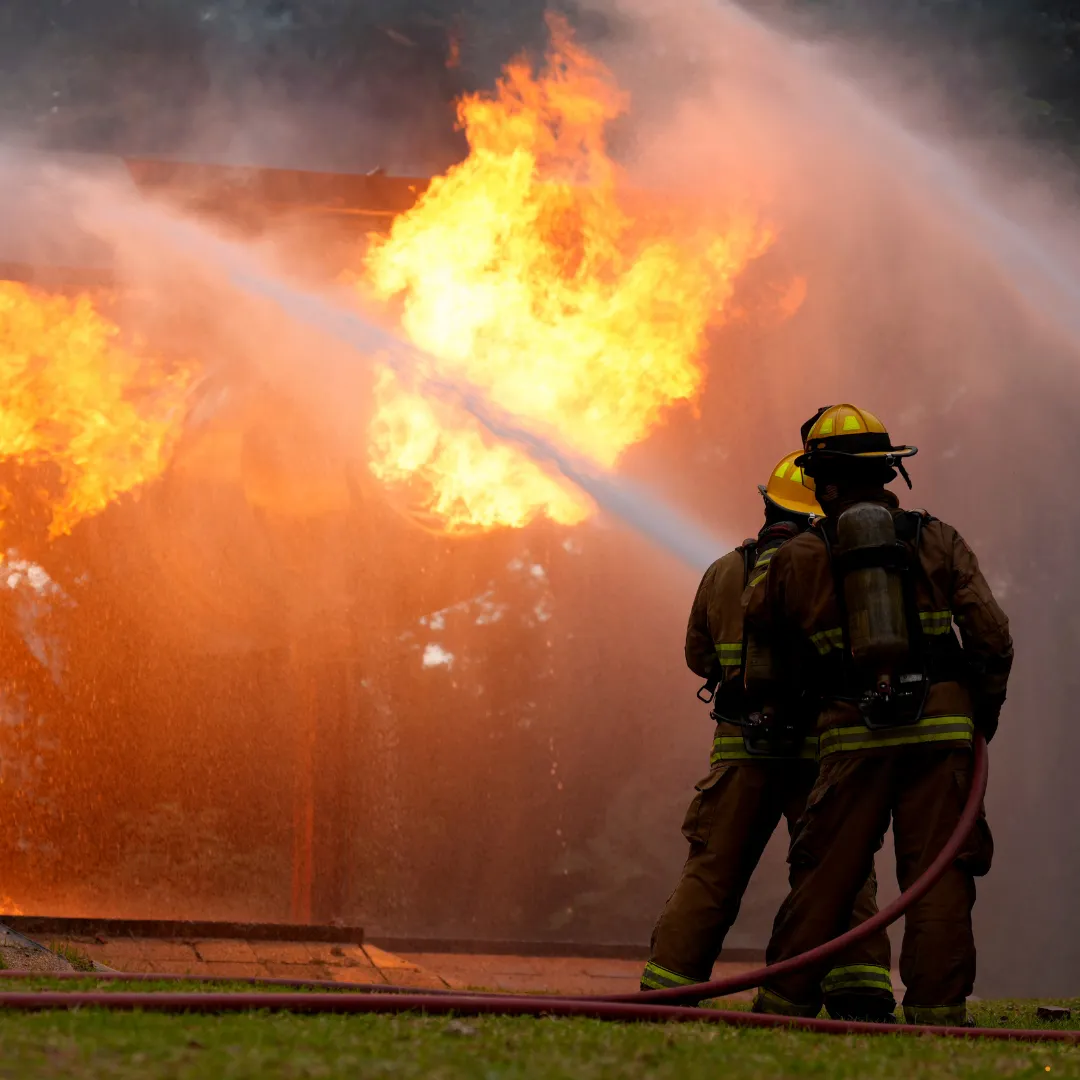
The ICTQual AB Level 5 International Diploma in Fire Safety & Firefighting Technology is a specialized professional qualification designed to equip learners with advanced knowledge and practical skills in fire prevention, fire protection systems, and emergency response management. This course is ideal for individuals seeking to build or advance a career in fire safety, emergency services, and industrial risk management.
Throughout this comprehensive diploma, learners will study key areas such as fire science principles, fire risk assessment, fire detection and suppression systems, firefighting techniques, and emergency evacuation planning. The program also focuses on fire safety legislation, workplace safety standards, and incident investigation methods to ensure compliance with international fire safety regulations.
This qualification is suitable for fire safety officers, emergency responders, safety supervisors, and professionals working in high-risk environments such as construction sites, factories, oil and gas facilities, and commercial buildings. It enhances both technical expertise and leadership skills required to manage fire emergencies effectively and reduce fire-related risks.
With increasing global demand for trained fire safety professionals, the ICTQual AB Level 5 International Diploma in Fire Safety & Firefighting Technology provides a strong pathway to rewarding career opportunities and professional growth in the field of fire safety and emergency management.
Course Overview
Awarding Body
ICTQual AB
Total Credits
240
Study Mode
Online
Assessment
Assignment Based
Course Study Units
Year 1 – Foundation and Core Principles
- Introduction to Fire Safety & Firefighting Technology
- Principles of Fire Science and Combustion
- Introduction to Fire Safety Management
- Fire Dynamics and Behaviour
- Fire Prevention and Hazard Identification
- Basics of Firefighting Equipment
- Health, Safety, and Environmental Awareness
- Fire Risk Assessment Fundamentals
- Emergency Response Planning
- Laboratory Techniques in Fire Safety
- Technical Report Writing
- Introduction to Fire Safety Regulations and Standards
Year 2 – Advanced Practices and Specialisation
- Advanced Fire Risk Assessment and Mitigation
- Fire Investigation and Incident Analysis
- Fire Safety Auditing and Compliance
- Emergency Preparedness and Crisis Management
- Industrial Fire Safety Management
- Behavioural Aspects in Fire Safety
- Fire Safety Leadership and Team Management
- Environmental Impact and Sustainability in Fire Safety
- Advanced Firefighting Techniques and Equipment
- Legal Compliance and Ethics in Fire Safety
- Capstone Project: Fire Safety Strategy Implementation
- Professional Development and Career Planning

Entry Requirements
Who Can Enroll
This course is designed for individuals who want to build or advance a career in fire safety, firefighting, and emergency response management. It is suitable for both beginners with interest in safety and experienced professionals working in high-risk environments.
- Fire safety officers and fire wardens
- Emergency responders and firefighting personnel
- Health and safety officers and supervisors
- Construction and industrial site workers
- Oil and gas and manufacturing industry staff
- Security and facility management professionals
- Graduates seeking careers in fire safety and emergency services
- Anyone responsible for workplace fire prevention and safety management
Course Learning Outcomes
Year 1 – Foundation and Core Principles
Introduction to Fire Safety & Firefighting Technology
- Understand the fundamental concepts of Fire Safety & Firefighting Technology.
- Recognise the role of fire safety management in organisational operations.
- Identify different types of fire hazards and their potential impacts.
- Explain the principles of fire protection and emergency response.
Principles of Fire Science and Combustion
- Understand the science behind fire, combustion, and heat transfer.
- Analyse factors influencing fire behaviour and development.
- Apply fire science principles to hazard assessment.
- Evaluate the effects of different materials and conditions on fire dynamics.
Introduction to Fire Safety Management
- Understand the key responsibilities of fire safety managers.
- Develop knowledge of fire safety policies and procedures.
- Identify risk management strategies for fire prevention.
- Assess the effectiveness of organisational fire safety practices.
Fire Dynamics and Behaviour
- Analyse fire growth, spread, and behaviour in various settings.
- Understand the influence of ventilation, fuel load, and environmental factors.
- Evaluate fire scenarios for risk assessment and mitigation.
- Apply fire dynamics principles in emergency planning.
Fire Prevention and Hazard Identification
- Identify potential fire hazards in different industrial and organisational environments.
- Assess risks associated with identified hazards.
- Recommend preventive measures to reduce fire incidents.
- Develop strategies for proactive fire safety management.
Basics of Firefighting Equipment
- Recognise types of firefighting equipment and their applications.
- Demonstrate correct usage and maintenance of equipment.
- Assess the effectiveness of firefighting systems in different scenarios.
- Promote safe handling and operational procedures.
Health, Safety, and Environmental Awareness
- Understand the integration of health, safety, and environmental principles in fire safety.
- Identify workplace hazards beyond fire, including chemical and physical risks.
- Promote environmental sustainability in fire safety practices.
- Evaluate organisational compliance with safety regulations.
Fire Risk Assessment Fundamentals
- Conduct basic fire risk assessments in workplace settings.
- Identify potential hazards and evaluate associated risks.
- Recommend control measures to mitigate risks.
- Document risk assessment findings accurately.
Emergency Response Planning
- Develop emergency response plans for fire incidents.
- Coordinate roles and responsibilities during emergencies.
- Conduct fire drills and evaluate preparedness.
- Review and update response procedures for continuous improvement.
Laboratory Techniques in Fire Safety
- Conduct practical experiments to study fire behaviour.
- Analyse fire-related data and laboratory results.
- Apply scientific methods to investigate fire scenarios.
- Ensure safe laboratory practices during fire experiments.
Technical Report Writing
- Develop clear and professional fire safety reports.
- Present findings from risk assessments and investigations.
- Use technical language accurately and effectively.
- Communicate recommendations for fire prevention and management.
Introduction to Fire Safety Regulations and Standards
- Understand key national and international Fire Safety & Firefighting Technology regulations.
- Interpret legislation relevant to fire prevention and safety management.
- Ensure organisational compliance with legal requirements.
- Evaluate the impact of regulatory frameworks on fire safety practices.
Year 2 – Advanced Practices and Specialisation
Advanced Fire Risk Assessment and Mitigation
- Conduct comprehensive fire risk assessments in complex environments.
- Develop advanced mitigation strategies to reduce fire hazards.
- Integrate risk management into organisational planning.
- Evaluate the effectiveness of risk controls and safety measures.
Fire Investigation and Incident Analysis
- Investigate causes and outcomes of fire incidents systematically.
- Identify contributing factors and root causes of fires.
- Prepare professional incident reports with actionable recommendations.
- Apply investigative findings to prevent future incidents.
Fire Safety Auditing and Compliance
- Conduct internal and external fire safety audits.
- Identify non-compliance issues and safety gaps.
- Develop corrective actions to ensure regulatory compliance.
- Monitor and evaluate audit outcomes for continuous improvement.
Emergency Preparedness and Crisis Management
- Develop and implement comprehensive emergency preparedness plans.
- Coordinate crisis management teams and response strategies.
- Conduct emergency simulations and assess organisational readiness.
- Apply lessons learned to enhance future crisis management.
Industrial Fire Safety Management
- Implement fire safety management systems in industrial settings.
- Analyse fire hazards specific to industrial operations.
- Promote a culture of safety and compliance among staff.
- Monitor and evaluate industrial fire safety performance.
Behavioural Aspects in Fire Safety
- Understand human behaviour factors influencing Fire Safety & Firefighting Technology.
- Promote safe practices and awareness among employees.
- Implement behavioural safety initiatives to reduce risk.
- Analyse incidents to identify behavioural trends affecting fire safety.
Fire Safety Leadership and Team Management
- Develop leadership skills for managing fire safety teams.
- Coordinate team activities and responsibilities effectively.
- Foster a positive safety culture through leadership practices.
- Evaluate the impact of leadership on organisational fire safety outcomes.
Environmental Impact and Sustainability in Fire Safety
- Understand the environmental consequences of fire and firefighting activities.
- Promote sustainable fire safety practices and initiatives.
- Implement environmentally responsible fire prevention strategies.
- Assess compliance with environmental regulations and standards.
Advanced Firefighting Techniques and Equipment
- Demonstrate advanced firefighting skills in various scenarios.
- Use specialised equipment safely and effectively.
- Apply tactical approaches to complex fire situations.
- Evaluate the performance and suitability of firefighting methods.
Legal Compliance and Ethics in Fire Safety
- Apply legal frameworks to fire safety management decisions.
- Understand ethical considerations in emergency response.
- Ensure compliance with health, safety, and fire regulations.
- Evaluate consequences of non-compliance and ethical lapses.
Capstone Project: Fire Safety Strategy Implementation
- Design and implement a comprehensive fire safety strategy.
- Integrate knowledge and skills from all units into practical applications.
- Analyse outcomes and provide strategic recommendations.
- Present findings in a professional report or presentation.
Professional Development and Career Planning
- Identify career pathways in fire safety and firefighting technology.
- Develop personal skills, CV, and interview readiness.
- Explore professional certification and development opportunities.
- Plan for continuous learning and long-term career progression.