ICTQual Laser Safety Officer (LSO) Certificate – Health Care
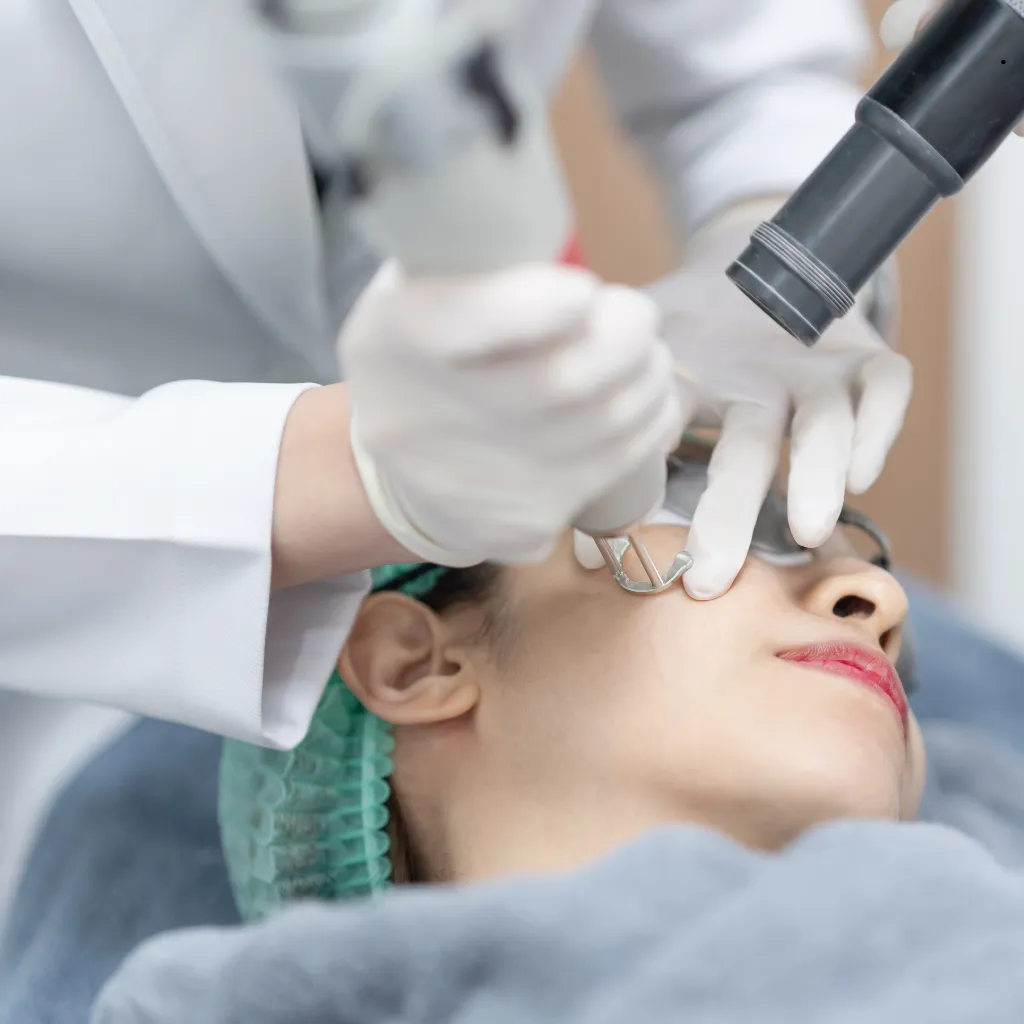
The ICTQual Laser Safety Officer (LSO) Certificate – Health Care is a professional healthcare-focused qualification designed to provide essential training in medical laser safety, risk assessment, and clinical compliance. This certificate prepares healthcare professionals to safely manage laser systems used in hospitals, clinics, and surgical environments, ensuring protection for both patients and medical staff.
This course delivers practical knowledge of laser hazard identification, biological effects of laser radiation, control measures, and safe operating procedures in healthcare settings. It also covers international laser safety standards, clinical risk management practices, and workplace health and safety requirements relevant to medical institutions.
The ICTQual Laser Safety Officer (LSO) Certificate – Health Care is suitable for professionals working in hospitals, dermatology clinics, ophthalmology departments, cosmetic surgery centers, dental practices, and medical laboratories. It is also ideal for nurses, doctors, technicians, and healthcare safety officers who are responsible for operating or supervising laser equipment.
Course Overview
Awarding Body
ICTQual
Credits
10
Study Mode
Online
Assessment
Assignment Based
Course Study Units
- Principles of Laser Physics and Medical Applications
- Healthcare Laser Safety Standards and Regulatory Compliance
- Risk Assessment, Hazard Control, and Safety Protocols
- Operational Responsibilities of the Laser Safety Officer (LSO)
- Audit, Training, and Continuous Improvement in Healthcare Laser Safety

Entry Requirements
Who Can Enroll
This course is designed for healthcare professionals and individuals working in clinical environments who are responsible for or involved in the safe use of laser technology.
- Doctors and medical practitioners using laser equipment in treatment and surgery
- Nurses working in hospitals, clinics, and surgical departments
- Dermatology and cosmetic treatment professionals
- Ophthalmology staff handling laser-based eye procedures
- Dental professionals using laser technology in treatments
- Biomedical scientists and laboratory technicians in healthcare settings
- Hospital health and safety officers and compliance staff
- Medical device operators and clinical support staff
Course Learning Outcomes
Principles of Laser Physics and Medical Applications
- Understand the fundamental principles of laser generation and operation.
- Identify different types of medical lasers and their clinical applications.
- Explain the interaction of laser energy with biological tissues.
- Recognise the benefits and limitations of laser use in healthcare.
- Apply knowledge of laser physics to practical healthcare scenarios.
- Evaluate emerging trends in medical laser technology.
- Relate theoretical concepts to safe and effective patient care.
Healthcare Laser Safety Standards and Regulatory Compliance
- Interpret international standards governing healthcare laser safety.
- Apply regulatory frameworks to clinical laser operations.
- Demonstrate awareness of national and local compliance requirements.
- Ensure adherence to workplace health and safety legislation.
- Implement policies that align with recognised safety standards.
- Assess organisational responsibilities for laser safety compliance.
- Promote a culture of accountability and regulatory awareness.
Risk Assessment, Hazard Control, and Safety Protocols
- Conduct systematic risk assessments for laser use in healthcare.
- Identify potential hazards associated with medical laser procedures.
- Develop effective hazard control measures and safety protocols.
- Implement protective strategies for patients and staff.
- Evaluate the effectiveness of existing safety procedures.
- Apply incident reporting and corrective action frameworks.
- Integrate risk management into daily healthcare practice.
Operational Responsibilities of the Laser Safety Officer (LSO)
- Define the role and responsibilities of a Laser Safety Officer.
- Oversee safe operation of medical lasers in healthcare facilities.
- Coordinate with multidisciplinary teams to ensure compliance.
- Manage safety documentation and operational records.
- Provide guidance on equipment maintenance and calibration.
- Support staff in adhering to laser safety procedures.
- Lead by example in promoting safe laser practices.
Audit, Training, and Continuous Improvement in Healthcare Laser Safety
- Plan and conduct internal audits of laser safety programmes.
- Evaluate compliance with established safety standards.
- Deliver effective training sessions for healthcare staff.
- Monitor learner progress and reinforce safety awareness.
- Recommend improvements based on audit findings.
- Establish continuous improvement strategies for laser safety.
- Contribute to organisational excellence in healthcare risk management.