ICTQual Level 1 Award in Mammalogy and Large Mammals Study Techniques
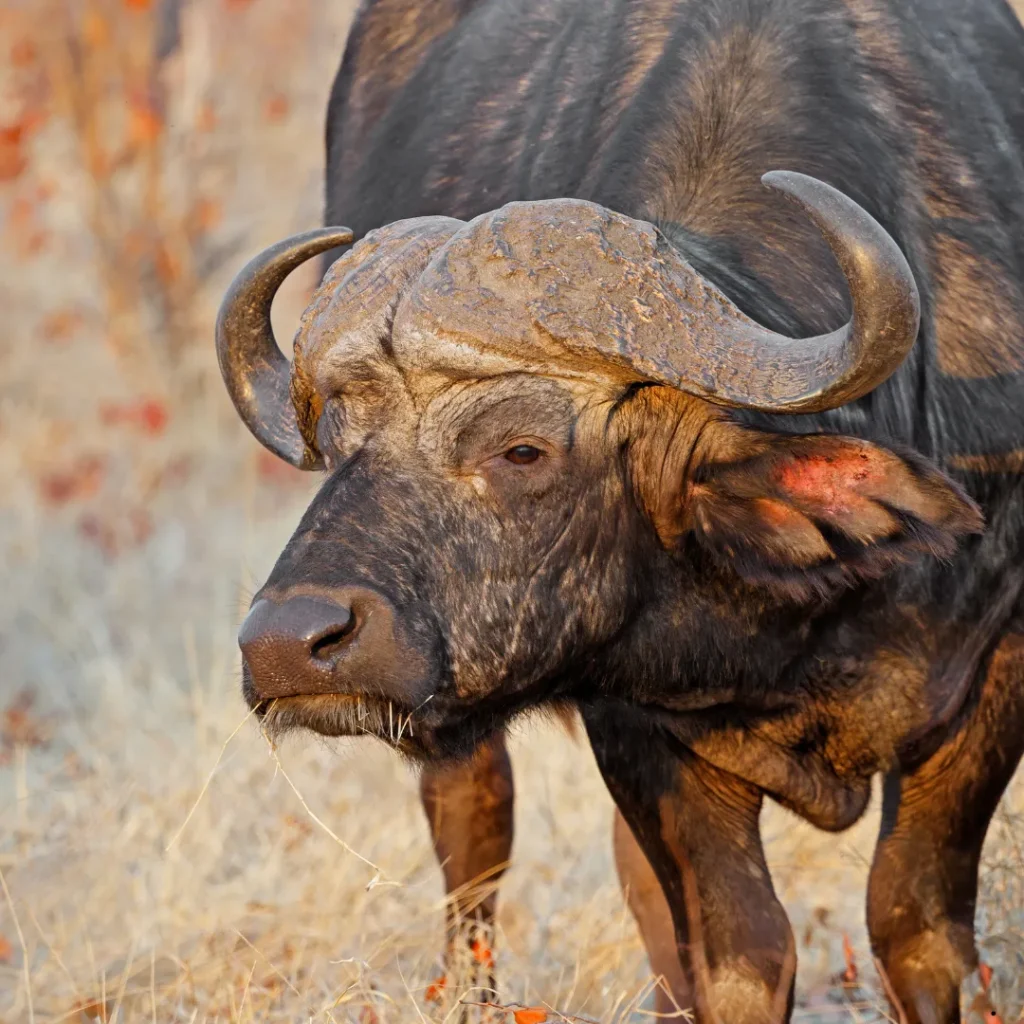
The ICTQual Level 1 Award in Mammalogy and Large Mammals Study Techniques is an introductory program designed to provide learners with a foundational understanding of mammalogy and the methods used to study large mammals in their natural habitats. This course explores the biology, ecology, and behavior of mammals, focusing on how researchers observe, record, and analyze data to better understand species survival and adaptation. Learners will gain insight into the importance of studying large mammals for conservation, ecological balance, and scientific knowledge.
Through structured modules, participants will examine key topics such as mammalian anatomy, feeding behaviors, migration patterns, and social structures. The course emphasizes practical study techniques, including observation methods, data collection, and habitat analysis. Learners will be encouraged to connect theoretical knowledge with real-world examples, developing the ability to critically assess mammal populations and understand the challenges faced in conserving large species. Case studies and examples of fieldwork highlight the relevance of mammalogy in modern conservation efforts.
This award is particularly valuable for individuals passionate about wildlife, animal care, and ecological studies. It equips learners with the skills to appreciate the complexity of mammal biology, interpret behavioral patterns, and apply study techniques in conservation or personal research contexts. By completing the program, participants will develop a strong appreciation for the role of large mammals in ecosystems and gain practical insights that can be applied in animal care, conservation projects, and further study of natural sciences.
Course Overview
Awarding Body
ICTQual AB
Duration
1 days
Study Mood
Online
Assessment
Assignments Based
Course Study Units
- Introduction to Mammalogy and Large Mammals
- Basic Observation and Recording Techniques
- Principles of Wildlife Safety and Ethics

Entry Requirements
Who Can Enroll
This course is ideal for individuals motivated by wildlife study and conservation, and who wish to gain introductory knowledge in mammalogy and large mammal research.
- Students interested in biology and natural sciences.
- Wildlife enthusiasts eager to learn study techniques.
- Conservation volunteers seeking structured training.
- Learners passionate about animal behavior and ecology.
- Individuals exploring careers in animal care or research.
- Nature lovers committed to understanding biodiversity.
Course Learning Outcomes
Introduction to Mammalogy and Large Mammals
- Identify the basic characteristics and classifications of large mammals.
- Recognize the ecological importance of large mammals within different habitats.
- Describe fundamental aspects of mammal anatomy and behaviour.
- Understand the role of large mammals in biodiversity and ecosystem balance.
- Develop awareness of conservation issues affecting large mammal populations.
Basic Observation and Recording Techniques
- Apply simple field observation methods to study large mammals.
- Record basic data such as species, location, and behaviour using structured formats.
- Use introductory tools such as notebooks, maps, and simple tracking guides.
- Demonstrate accuracy and consistency in recording wildlife observations.
- Reflect on observations to identify patterns in mammal behaviour and habitat use.
Principles of Wildlife Safety and Ethics
- Follow safety guidelines during fieldwork to protect both learners and wildlife.
- Demonstrate respect for animal welfare through responsible observation practices.
- Understand the importance of minimizing human impact on natural habitats.
- Apply ethical principles when interacting with wildlife and reporting findings.
- Recognize the value of conservation ethics in promoting sustainable mammal studies.