ICTQual Level 2 Award in GIS and Remote Sensing
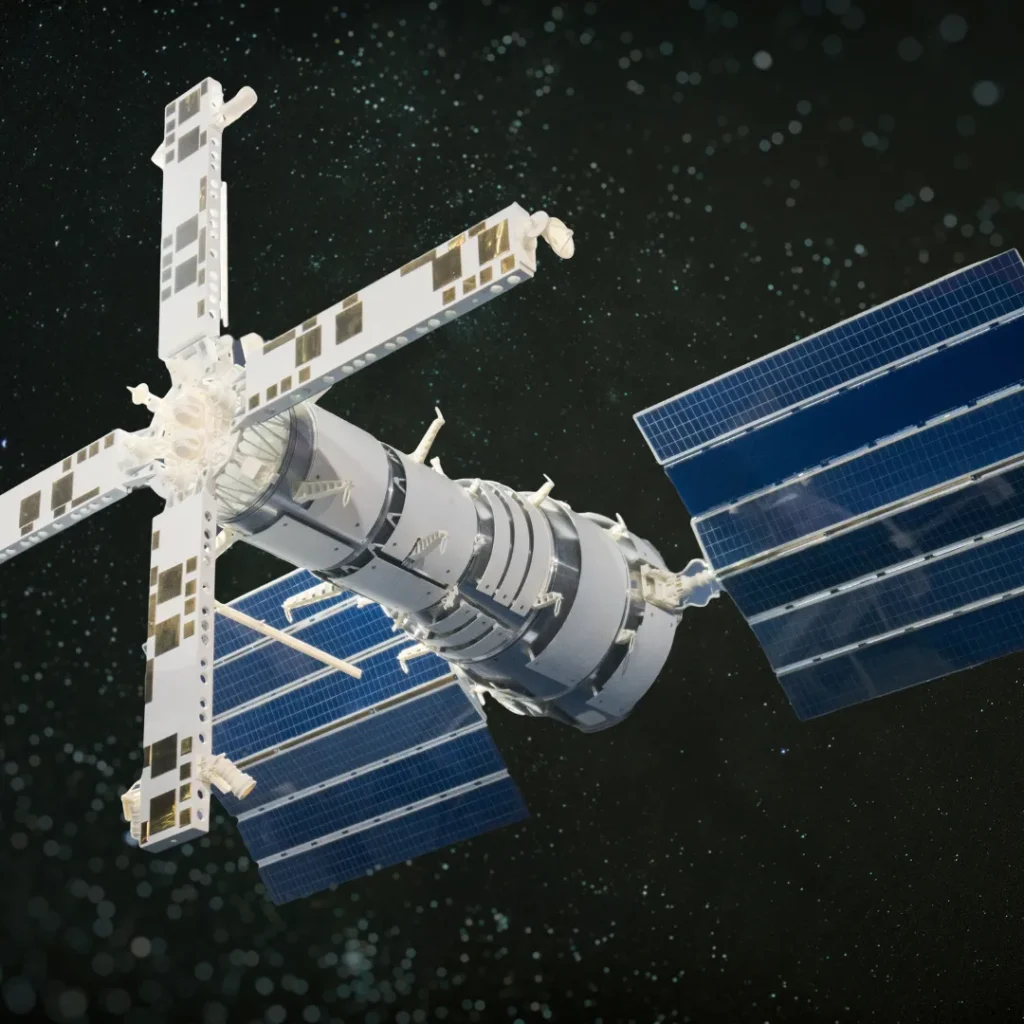
The ICTQual Level 2 Award in GIS and Remote Sensing is designed to introduce learners to the fundamental concepts and practical applications of geographic information systems (GIS) and remote sensing technologies. This award provides a strong foundation in understanding how spatial data is collected, analyzed, and applied to real-world scenarios. Learners will explore the basics of mapping, data visualization, and remote sensing techniques, gaining valuable insights into how these tools support decision-making in environmental, urban, and resource management contexts.
The program emphasizes accessible learning, making it suitable for beginners who are new to GIS and remote sensing. Learners will be guided through essential topics such as data collection methods, satellite imagery interpretation, and the use of GIS software to create maps and analyze spatial information. By engaging with practical exercises and case studies, participants will develop confidence in applying these technologies to everyday challenges, from monitoring land use to supporting conservation projects.
This award also highlights the importance of ethical practices, sustainability, and accuracy in handling spatial data. Learners will be encouraged to adopt responsible approaches when working with geographic information, ensuring their skills contribute positively to community development, environmental stewardship, and scientific research. By the end of the course, participants will have a clear understanding of the role GIS and remote sensing play in modern society and be prepared to apply their knowledge in academic, professional, or volunteer settings.
Course Overview
Awarding Body
ICTQual AB
Duration
2 days
Study Mood
Online
Assessment
Assignments Based
Course Study Units
- Principles of Geographic Information Systems
- Remote Sensing Data Collection and Interpretation
- Applications of GIS in Environmental Studies

Entry Requirements
Who Can Enroll
This award is suited for individuals who are curious about spatial technologies and motivated to learn the basics of GIS and remote sensing.
- School leavers with an interest in geography or science
- Volunteers in community or environmental projects
- Hobbyists passionate about mapping and data visualization
- Learners seeking entry-level knowledge in GIS and remote sensing
- Individuals aiming to support conservation and resource management initiatives
- Those motivated by technology and sustainable development
Course Learning Outcomes
Principles of Geographic Information Systems
- Explain the core concepts and functions of GIS.
- Describe how spatial data is stored, managed, and visualized.
- Identify different types of GIS software and their applications.
- Apply GIS tools to create simple maps and analyze spatial information.
Remote Sensing Data Collection and Interpretation
- Explain the methods of collecting remote sensing data from satellites and sensors.
- Describe the types of remote sensing data, including optical and radar imagery.
- Identify key features in remote sensing images such as vegetation, water, and land use.
- Apply basic interpretation techniques to analyze remote sensing datasets.
Applications of GIS in Environmental Studies
- Explain how GIS supports environmental monitoring and resource management.
- Describe case studies where GIS is applied in land use, conservation, and disaster management.
- Identify environmental challenges that can be addressed using GIS tools.
- Apply GIS techniques to analyze environmental data and propose solutions.