ICTQual Level 2 Award in Ornithology Survey Techniques
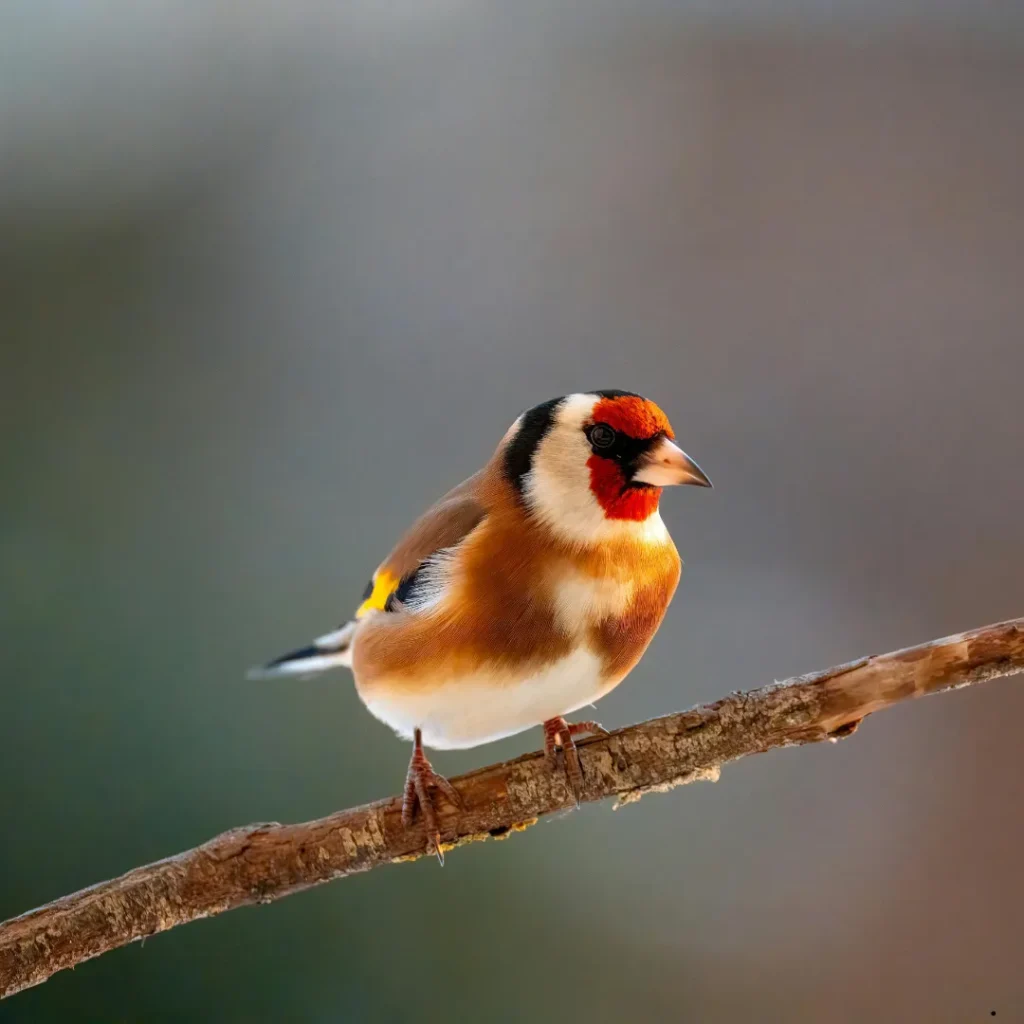
The ICTQual Level 2 Award in Ornithology Survey Techniques is designed to provide learners with essential knowledge and practical skills in bird surveying and habitat observation. This course focuses on equipping learners with the ability to identify bird species, record data accurately, and understand ecological patterns. By combining theoretical learning with practical applications, the award prepares learners to contribute meaningfully to ornithological studies and conservation projects. It is ideal for individuals passionate about birds, ecology, and environmental awareness.
This award emphasizes the importance of accurate data collection, ecological monitoring, and species conservation. Learners will explore topics such as bird identification, survey methodologies, and habitat assessment. The course highlights the role of ornithological surveys in guiding conservation strategies, informing land management decisions, and promoting ecological balance. With a strong focus on real-world scenarios, learners gain the ability to apply their knowledge in diverse environments, making them valuable contributors to wildlife and environmental projects.
The ICTQual Level 2 Award in Ornithology Survey Techniques also prepares learners to take on responsibilities that require critical thinking, patience, and adaptability. It encourages the development of observational skills, scientific reasoning, and environmental awareness. Learners will gain insights into the challenges facing bird populations today, including habitat loss and climate change, and learn strategies to mitigate these issues. By completing this award, individuals will be empowered to support conservation initiatives, foster sustainable practices, and contribute positively to protecting bird species and their ecosystems.
Course Overview
Awarding Body
ICTQual AB
Duration
2 days
Study Mood
Online
Assessment
Assignments Based
Course Study Units
- Bird Habitats and Ecological Importance
- Standardized Bird Count and Monitoring Methods
- Introduction to Data Entry and Basic Reporting

Entry Requirements
Who Can Enroll
This course is designed for individuals who want to strengthen their ability to study and protect bird species.
- Passionate about ornithology and wildlife conservation.
- Interested in ecological surveys and habitat assessment.
- Strong observational and analytical skills.
- Motivated to contribute to sustainable conservation practices.
- Keen to work in research, fieldwork, or environmental projects.
- Dedicated to protecting biodiversity and natural ecosystems.
Course Learning Outcomes
Bird Habitats and Ecological Importance
- Learners will identify key bird habitats and understand their ecological significance.
- They will explain the role of birds in maintaining ecosystem balance and biodiversity.
- Learners will assess how habitat changes affect bird populations and conservation priorities.
- They will develop awareness of human impacts on bird habitats and strategies for protection.
Standardized Bird Count and Monitoring Methods
- Learners will apply standardized techniques such as point counts and transect surveys.
- They will understand the importance of consistency and accuracy in monitoring bird populations.
- Learners will practice recording data using recognized survey protocols.
- They will evaluate how standardized methods contribute to long‑term conservation projects.
Introduction to Data Entry and Basic Reporting
- Learners will enter survey data into simple recording systems and databases.
- They will understand the importance of accuracy and clarity in reporting bird observations.
- Learners will prepare basic reports summarizing survey findings for conservation use.
- They will develop skills to share data with local projects and citizen science initiatives.