ICTQual Level 2 Award in Principles of Protected Areas Management
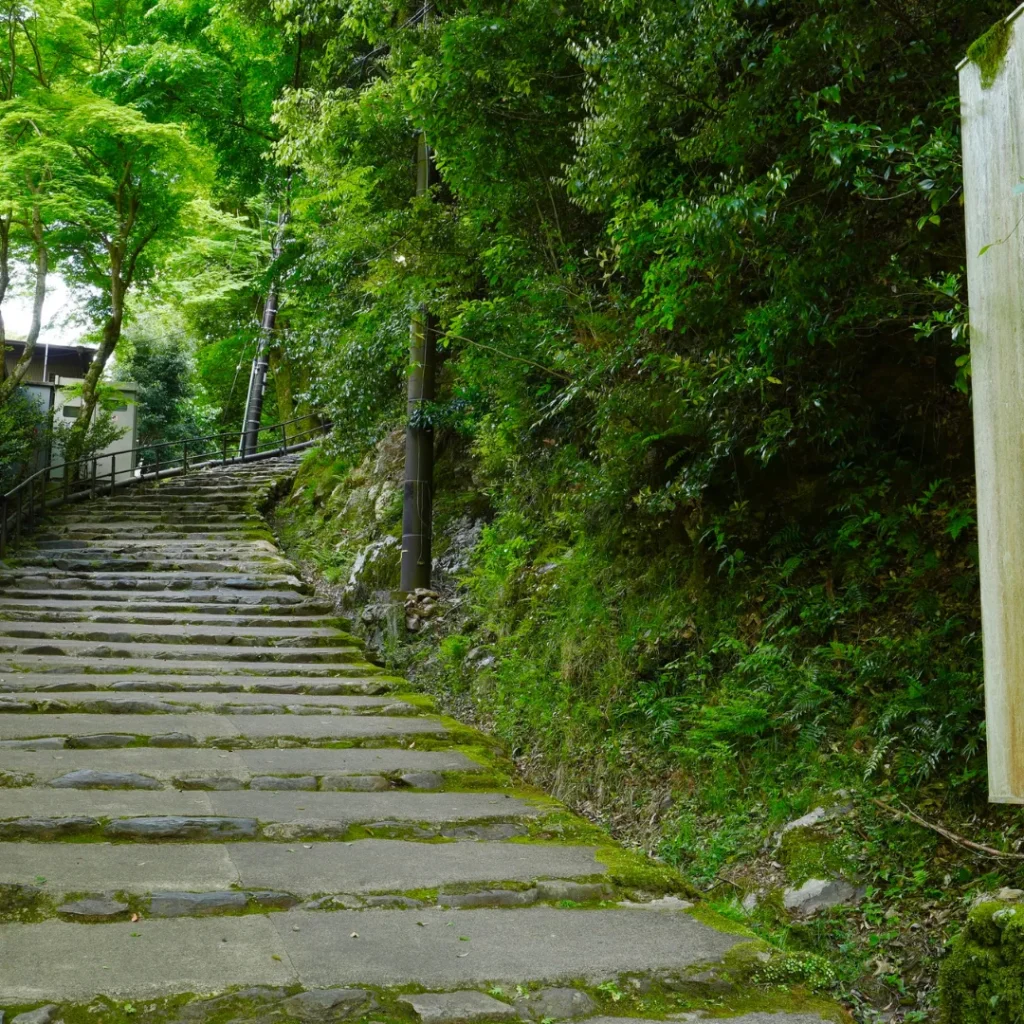
The ICTQual Level 2 Award in Principles of Protected Areas Management is designed to provide learners with a foundational understanding of how protected areas are managed to conserve biodiversity and natural resources. This course introduces the importance of protected areas in maintaining ecological balance, safeguarding endangered species, and preserving habitats for future generations. Learners will explore the principles behind conservation strategies, the role of protected areas in global sustainability, and the challenges faced in balancing human activity with environmental protection.
Through structured modules, participants will study key topics such as ecological monitoring, habitat preservation, visitor management, and community involvement in conservation. The course emphasizes practical applications, encouraging learners to connect theoretical knowledge with real-world examples of protected area management. Case studies and examples of successful conservation projects highlight how effective management strategies can ensure long-term sustainability, while learners are guided to critically analyze the impact of human activities on natural ecosystems.
This award is particularly valuable for individuals passionate about conservation, ecology, and environmental stewardship. It equips learners with the skills to understand the principles of managing protected areas, interpret conservation strategies, and contribute meaningfully to initiatives that safeguard biodiversity. By completing the program, participants will develop a strong appreciation for the role of protected areas in global sustainability and gain practical insights that can be applied in conservation projects, community initiatives, and personal study.
Course Overview
Awarding Body
ICTQual AB
Duration
2 days
Study Mood
Online
Assessment
Assignments Based
Course Study Units
- Principles of Protected Area Management
- Community Awareness and Engagement
- Basic Monitoring Techniques

Entry Requirements
Who Can Enroll
This course is ideal for individuals motivated by conservation and environmental protection, and who wish to gain foundational knowledge in managing protected areas.
- Students interested in ecology and environmental science.
- Conservation volunteers seeking structured training.
- Community members involved in local conservation projects.
- Wildlife enthusiasts passionate about biodiversity.
- Individuals exploring careers in environmental stewardship.
- Learners committed to sustainable development practices.
Course Learning Outcomes
Principles of Protected Area Management
- Understand the key objectives and functions of protected areas in conservation.
- Identify different management approaches used in national parks, reserves, and sanctuaries.
- Recognize the importance of balancing ecological protection with community and visitor needs.
- Demonstrate awareness of international standards guiding protected area management.
- Explain how protected areas contribute to biodiversity conservation and sustainable development.
- Apply basic principles to support effective planning and operational management.
Community Awareness and Engagement
- Understand the role of local communities in supporting conservation initiatives.
- Identify strategies for building trust and collaboration with stakeholders.
- Recognize the importance of cultural values and traditions in conservation practices.
- Demonstrate awareness of community‑based conservation models and their benefits.
- Explain how education and outreach strengthen community participation in protected areas.
- Apply engagement techniques to promote shared responsibility for biodiversity protection.
Basic Monitoring Techniques
- Understand the purpose of monitoring in protected area management.
- Identify simple ecological indicators such as species counts, habitat conditions, and visitor impacts.
- Demonstrate awareness of basic tools and methods for data collection in the field.
- Recognize the importance of accurate data for decision‑making and conservation planning.
- Explain how monitoring supports evaluation of conservation outcomes and adaptive management.
- Apply basic observation and recording skills to contribute to ecological monitoring projects.