Transform Your Future: ICTQual Level 2 Dog Grooming Assistant Course
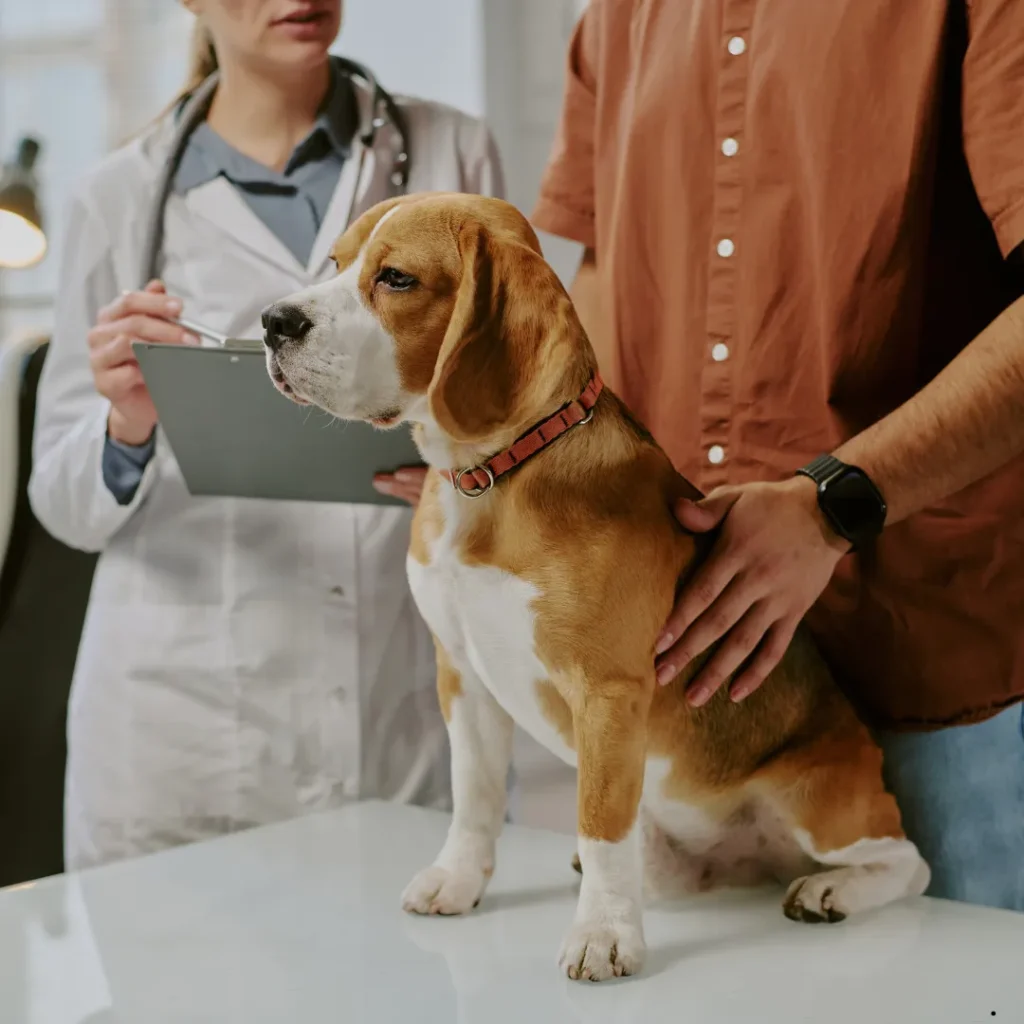
The ICTQual Level 2 Certificate for Dog Grooming Assistants is designed to provide learners with the foundational skills and knowledge required to support professional groomers in delivering high-quality care. Dog grooming is not only about enhancing a pet’s appearance but also about ensuring their comfort, hygiene, and wellbeing. This course introduces learners to the essential practices of grooming assistance, preparing them to work confidently in grooming salons, mobile services, or pet care facilities.
Learners will explore a variety of topics including canine coat types, bathing and drying techniques, handling practices, and the safe use of grooming tools. The training emphasizes practical skills alongside theoretical learning, ensuring participants understand how to assist groomers effectively while maintaining safety and hygiene standards. By engaging with scenario-based learning, learners develop the competence to support grooming professionals and contribute to the smooth running of grooming services.
This certificate is particularly valuable for individuals who are new to the grooming industry or those seeking to build a career in pet care. It empowers learners to demonstrate competence in grooming assistance while promoting responsible practices that enhance animal welfare. By the end of the training, participants will have the confidence to support professional groomers, ensuring dogs under their care receive safe, effective, and compassionate treatment.
Course Overview
Awarding Body
ICTQual AB
Duration
10 days
Study Mood
Online
Assessment
Assignments Based
Course Study Units
- Introduction to Dog Grooming and Canine Care
- Basic Grooming Techniques and Tools
- Health, Safety, and Professional Practice in Dog Grooming

Entry Requirements
Who Can Enroll
This course is designed for individuals passionate about canine grooming and animal care.
- Aspiring dog groomers seeking entry-level training.
- Pet salon assistants wanting to enhance their skills.
- Mobile grooming support staff.
- Veterinary assistants interested in grooming practices.
- Dog owners who want to learn grooming basics.
- Animal shelter staff responsible for pet hygiene.
Course Learning Outcomes
Introduction to Dog Grooming and Canine Care
- Understand the role and responsibilities of a dog grooming assistant in professional settings.
- Develop knowledge of different dog breeds, coat types, and grooming requirements.
- Learn to recognize common canine behaviors and body language.
- Understand the principles of canine health and welfare.
- Gain awareness of basic nutritional needs and general care for dogs.
- Develop skills in handling and restraining dogs safely and compassionately.
- Understand the importance of maintaining a clean and safe grooming environment.
- Recognize signs of illness, discomfort, or stress in dogs and respond appropriately.
Basic Grooming Techniques and Tools
- Learn essential grooming skills such as brushing, bathing, and drying dogs.
- Develop competence in trimming nails, cleaning ears, and maintaining coat hygiene.
- Understand the correct use and maintenance of grooming tools and equipment.
- Gain knowledge of breed-specific grooming standards and techniques.
- Learn to identify matting, tangles, and other coat issues and how to address them safely.
- Develop the ability to work efficiently while ensuring the dog’s comfort and safety.
- Apply practical grooming skills to support professional groomers in salons or mobile services.
- Build confidence in performing basic grooming tasks under supervision.
Health, Safety, and Professional Practice in Dog Grooming
- Understand infection control and hygiene standards in grooming environments.
- Learn to apply health and safety procedures to protect both dogs and handlers.
- Recognize potential hazards in grooming salons and implement preventative measures.
- Develop professional communication skills with clients and team members.
- Understand ethical practices and responsibilities when handling animals.
- Learn record-keeping procedures for grooming sessions and health observations.
- Develop problem-solving skills for addressing unexpected grooming challenges.
- Gain confidence in maintaining a professional, safe, and caring grooming practice.