ICTQual Level 3 Award in Bird Watching Techniques
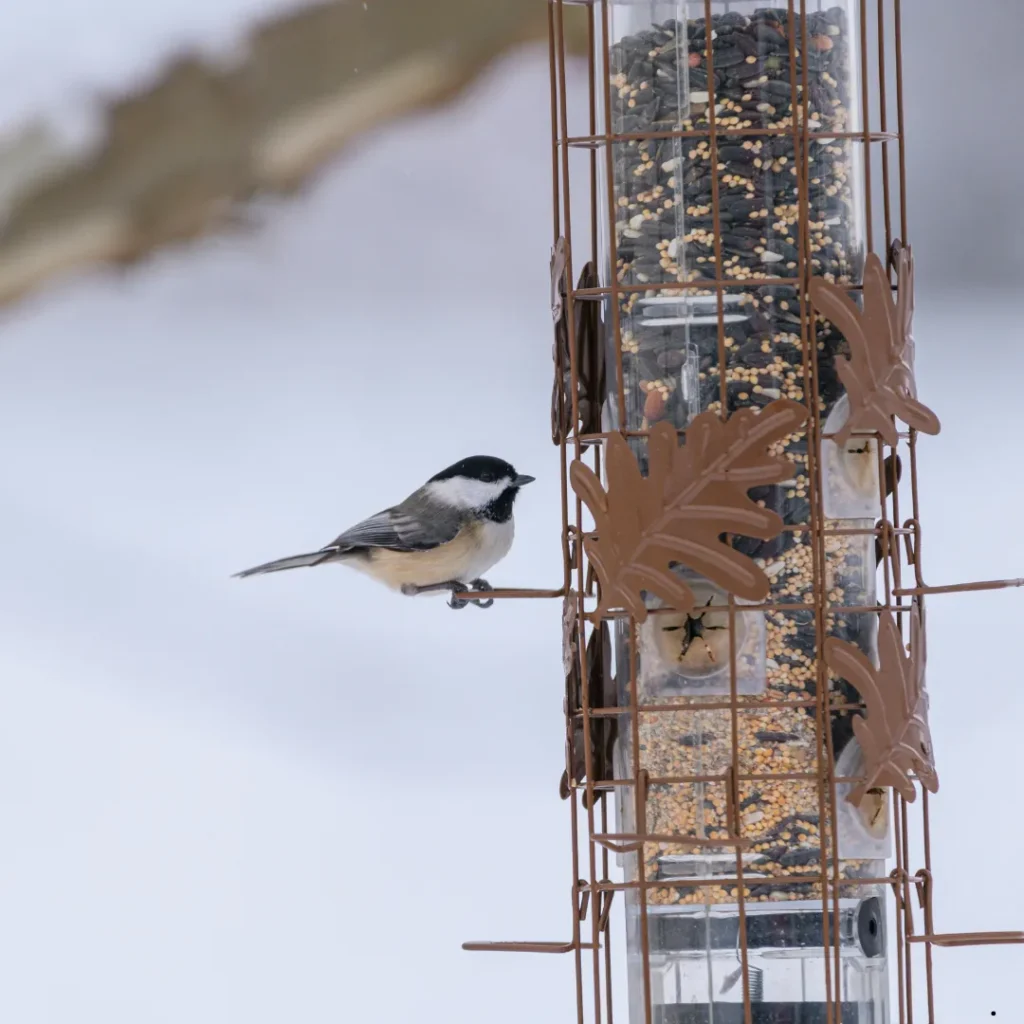
The ICTQual Level 3 Award in Bird Watching Techniques is designed to provide learners with a structured pathway into the fascinating world of bird observation. This course introduces the fundamentals of bird identification, behavior, and ecology, while also teaching practical skills in fieldwork and recording. Learners will gain confidence in recognizing species by sight and sound, understanding seasonal patterns, and appreciating the role of birds in natural ecosystems. By combining theoretical knowledge with practical exercises, the course ensures participants develop both competence and enjoyment in bird watching.
A central focus of the course is on observation techniques and ethical practices, ensuring learners understand how to engage with birds responsibly. Topics include the use of field guides, binoculars, and journals, as well as methods for minimizing disturbance to wildlife. Learners will also explore the importance of conservation awareness, discovering how bird watching contributes to protecting habitats and species. This balance of technical skills and environmental responsibility makes the course suitable for those who wish to deepen their appreciation of avian life while practicing mindful observation.
Beyond technical training, the course highlights the cultural and recreational value of bird watching. Learners will discover how bird watching can enrich personal wellbeing, foster community engagement, and inspire lifelong learning. The ICTQual Level 3 Award in Bird Watching Techniques encourages participants to see bird watching not only as a hobby but as a meaningful way to connect with nature. By the end of the program, learners will have developed a strong foundation in bird watching techniques and the confidence to apply their skills in diverse environments.
Course Overview
Awarding Body
ICTQual AB
Duration
3 days
Study Mood
Online
Assessment
Assignments Based
Course Study Units
- Advanced Bird Identification
- Applied Bird Watching Techniques
- Introduction to Conservation Principles

Entry Requirements
Who Can Enroll
This course is ideal for individuals who are passionate about nature and eager to develop structured bird watching skills.
- Enthusiastic about wildlife and outdoor exploration
- Interested in learning systematic observation techniques
- Motivated to improve identification skills of bird species
- Keen to understand ecological and environmental connections
- Respectful towards conservation and ethical bird watching practices
- Looking for a rewarding personal or recreational pursuit
Course Learning Outcomes
Advanced Bird Identification
- Identify a broad range of bird species including migratory and rare birds through detailed observation.
- Differentiate species using advanced plumage analysis such as seasonal and age‑related variations.
- Recognize birds by complex vocalizations including calls, songs, and alarm notes.
- Apply behavioural cues such as feeding, nesting, and flight patterns to support accurate identification.
- Use comparative techniques to distinguish between closely related or visually similar species.
Applied Bird Watching Techniques
- Conduct structured fieldwork using advanced observation methods in varied habitats.
- Utilize bird watching equipment effectively including binoculars, scopes, and field guides.
- Record detailed observations with accuracy, consistency, and proper data management practices.
- Apply ethical practices to minimize disturbance and ensure responsible engagement with wildlife.
- Collaborate in group field activities to share findings and enhance collective learning.
Introduction to Conservation Principles
- Understand the role of bird watching in conservation and its contribution to biodiversity monitoring.
- Recognize threats to bird populations including habitat loss, climate change, and human activity.
- Promote ecological awareness by linking bird watching practices to conservation education.
- Support community initiatives that encourage sustainable bird watching and habitat protection.
- Apply conservation principles to personal bird watching practices, ensuring long‑term ecological responsibility.