ICTQual Level 3 Award in Natural History Museum Development
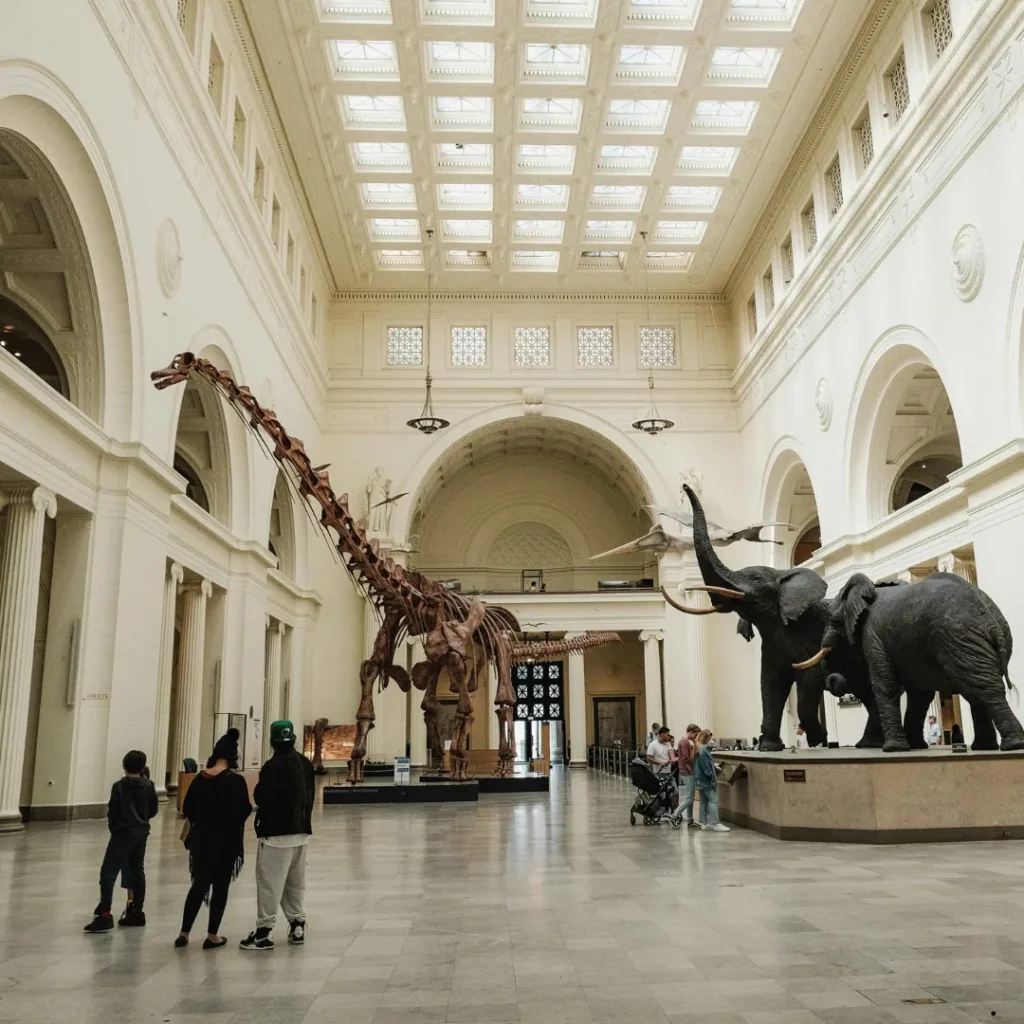
The ICTQual Level 3 Award in Natural History Museum Development is a specialized program designed to provide learners with the knowledge and skills required to contribute to the growth and sustainability of natural history museums. This course explores the principles of museum management, exhibition planning, and heritage preservation, offering learners a comprehensive understanding of how museums serve as vital institutions for education, research, and cultural enrichment. Participants will gain insight into the strategies used to develop engaging exhibits, protect collections, and promote public awareness of natural history.
Through structured modules, learners will study the processes involved in curating collections, designing educational programs, and implementing conservation practices. The course emphasizes practical applications, encouraging participants to connect theoretical knowledge with real-world museum challenges. Case studies and examples of successful museum projects are used to highlight how effective development strategies can enhance visitor experiences, safeguard heritage, and ensure long-term institutional success.
This award is particularly valuable for individuals passionate about heritage, culture, and education. It equips learners with the skills to critically analyze museum operations, identify opportunities for innovation, and contribute meaningfully to projects that promote natural history. By completing the program, participants will be prepared to engage in museum development initiatives, support cultural preservation, and play an active role in advancing the mission of natural history museums.
Course Overview
Awarding Body
ICTQual AB
Duration
3 days
Study Mood
Online
Assessment
Assignments Based
Course Study Units
- Intermediate Collection Documentation and Cataloguing
- Principles of Conservation and Preservation of Natural History Specimens
- Public Engagement and Interpretation in Natural History Museums

Entry Requirements
Who Can Enroll
This course is ideal for individuals motivated by cultural preservation and museum development, and who wish to gain expertise in natural history institutions.
- Heritage enthusiasts passionate about cultural preservation.
- Museum staff seeking professional development.
- Students interested in history, culture, and education.
- Volunteers aiming to contribute to museum projects.
- Educators looking to integrate museum learning into teaching.
- Individuals committed to promoting public engagement with heritage.
Course Learning Outcomes
Intermediate Collection Documentation and Cataloguing
- Apply systematic cataloguing methods to record natural history specimens accurately.
- Demonstrate understanding of international standards for documentation and accessibility.
- Utilize basic digital tools for collection records and inventory management.
- Recognize the importance of accurate data for research, education, and public access.
- Evaluate cataloguing practices to ensure consistency, transparency, and ethical compliance.
Principles of Conservation and Preservation of Natural History Specimens
- Understand the scientific principles behind specimen conservation and preservation.
- Apply preventive measures to protect specimens from deterioration, pests, and environmental risks.
- Demonstrate awareness of conservation materials, techniques, and safe handling practices.
- Recognize ethical and professional responsibilities in specimen preservation.
- Evaluate conservation strategies for long‑term sustainability of collections.
Public Engagement and Interpretation in Natural History Museums
- Explore methods of interpreting collections for diverse audiences.
- Apply strategies to design engaging displays and educational programs.
- Understand the role of museums in promoting conservation awareness and lifelong learning.
- Demonstrate awareness of inclusivity and accessibility in public engagement.
- Evaluate visitor feedback to improve interpretation and museum experiences.