ICTQual Level 3 Certificate in Ichthyological Survey Techniques
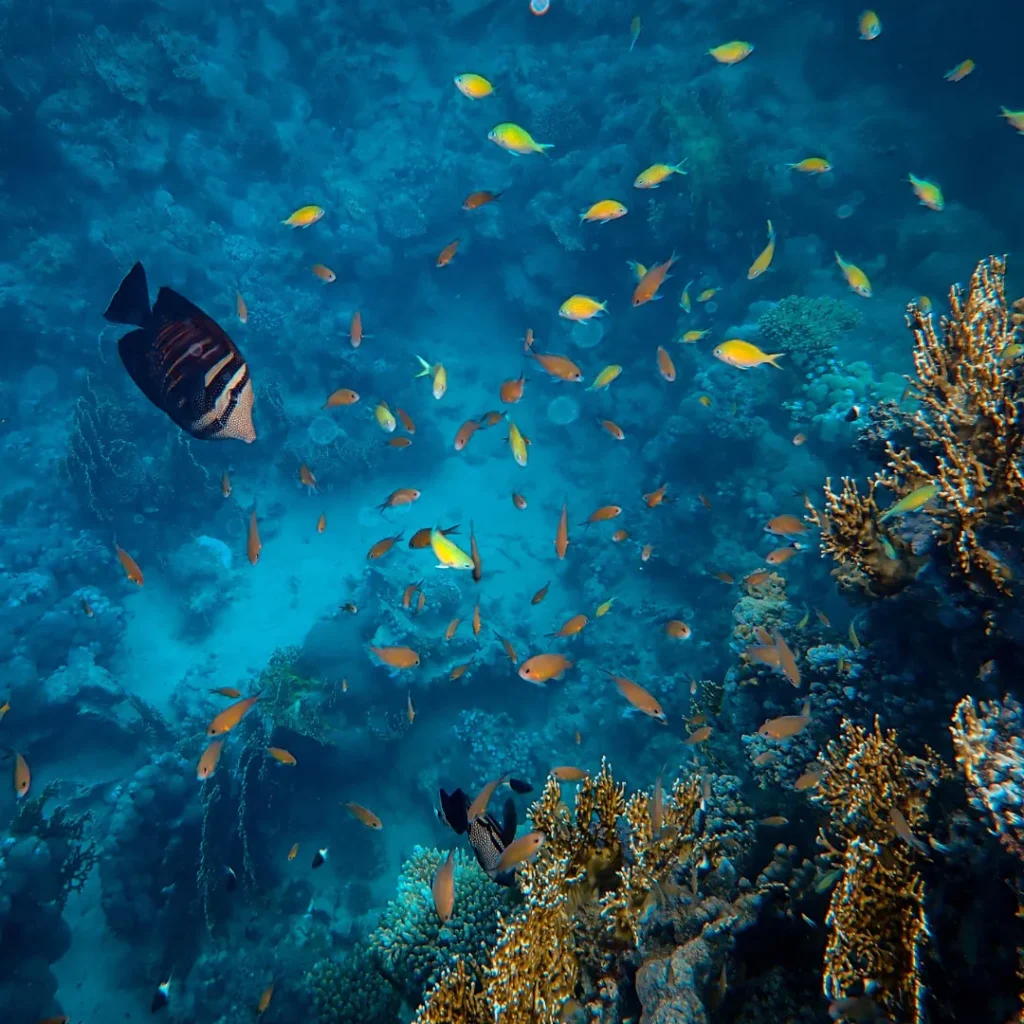
The ICTQual Level 3 Certificate in Ichthyological Survey Techniques is designed to provide learners with essential knowledge and practical skills in studying fish populations and aquatic ecosystems. This course focuses on equipping learners with the ability to conduct structured surveys, identify species, and record ecological data accurately. By combining theoretical learning with practical applications, the certificate prepares learners to contribute meaningfully to conservation, fisheries management, and environmental projects. It is ideal for individuals passionate about aquatic life and sustainable resource use.
This certificate emphasizes the importance of ecological monitoring, data collection, and species conservation. Learners will explore topics such as fish identification, habitat assessment, and survey methodologies. The course highlights the role of ichthyological surveys in guiding conservation strategies, informing fisheries policies, and promoting ecological balance. With a strong focus on real-world scenarios, learners gain the ability to apply their knowledge in diverse aquatic environments, making them valuable contributors to wildlife and environmental projects.
The ICTQual Level 3 Certificate in Ichthyological Survey Techniques also prepares learners to take on responsibilities that require patience, analytical thinking, and adaptability. It encourages the development of observational skills, scientific reasoning, and environmental awareness. Learners will gain insights into the challenges facing fish populations today, including overfishing, habitat loss, and climate change, and learn strategies to mitigate these issues. By completing this certificate, individuals will be empowered to support conservation initiatives, foster sustainable practices, and contribute positively to protecting aquatic biodiversity.
Course Overview
Awarding Body
ICTQual AB
Duration
15 days
Study Mood
Online
Assessment
Assignments Based
Course Study Units
- Fish Ecology and Behavior
- Advanced Identification Techniques
- Survey Equipment Operation
- Data Analysis and Presentation
- Conservation Awareness

Entry Requirements
Who Can Enroll
This course is designed for individuals who want to strengthen their ability to study and protect fish populations.
- Passionate about ichthyology and aquatic conservation.
- Interested in ecological surveys and habitat assessment.
- Strong observational and analytical skills.
- Motivated to contribute to sustainable fisheries management.
- Keen to work in research, fieldwork, or environmental projects.
- Dedicated to protecting biodiversity and aquatic ecosystems.
Course Learning Outcomes
Fish Ecology and Behavior
- Learners will explain the ecological roles of fish within aquatic ecosystems.
- Learners will analyze behavioral adaptations of fish in response to environmental changes.
- Learners will identify predator–prey relationships and their impact on fish populations.
- Learners will evaluate the influence of habitat conditions on fish distribution and activity.
- Learners will demonstrate understanding of seasonal and migratory behaviors in fish species.
Advanced Identification Techniques
- Learners will apply detailed morphological and anatomical features for accurate species identification.
- Learners will use dichotomous keys and advanced field guides to distinguish closely related species.
- Learners will recognize invasive and non‑native species through diagnostic traits.
- Learners will demonstrate precision in differentiating juvenile and adult stages of fish.
- Learners will explain the importance of advanced identification for conservation and fisheries management.
Survey Equipment Operation
- Learners will operate specialized survey equipment such as electrofishing devices, traps, and nets.
- Learners will demonstrate safe and ethical handling of equipment during fieldwork.
- Learners will select appropriate tools based on habitat type and survey objectives.
- Learners will maintain and calibrate survey equipment to ensure accuracy and reliability.
- Learners will evaluate the effectiveness of different equipment in varied aquatic environments.
Data Analysis and Presentation
- Learners will organize survey data into structured formats including tables, charts, and databases.
- Learners will apply statistical methods to interpret fish population and habitat data.
- Learners will evaluate survey findings to identify ecological patterns and trends.
- Learners will prepare professional reports and presentations for conservation and fisheries stakeholders.
- Learners will demonstrate accuracy, consistency, and clarity in data analysis and communication.
Conservation Awareness
- Learners will explain the importance of fish conservation for ecosystem sustainability.
- Learners will evaluate human impacts such as pollution, overfishing, and habitat destruction.
- Learners will recognize conservation policies and ethical responsibilities in aquatic research.
- Learners will promote awareness of sustainable practices in fisheries and aquatic resource use.
- Learners will demonstrate commitment to biodiversity protection through responsible survey activities.