ICTQual Level 3 Certificate in Zoo Management and Animal Keeping
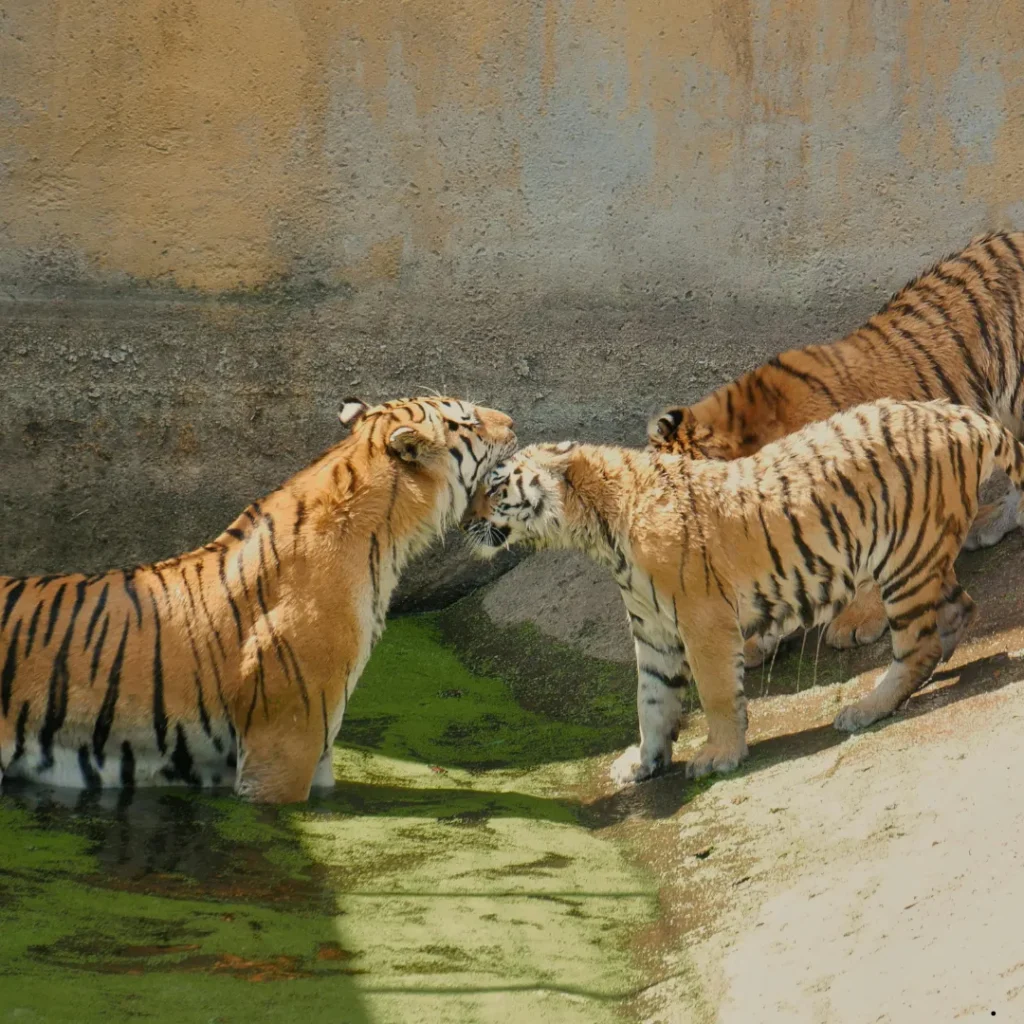
The ICTQual Level 3 Certificate in Zoo Management and Animal Keeping is a specialized program designed to provide learners with the essential knowledge and skills required to manage zoological facilities and care for diverse animal species. This course explores the principles of zoo operations, animal welfare, and ethical management practices, offering a comprehensive understanding of how zoos function as centers for conservation, education, and public engagement. Learners will gain insight into the responsibilities of zoo managers and animal keepers, including the importance of maintaining high standards of care and safety.
Through structured modules, participants will study topics such as animal nutrition, habitat design, enrichment programs, and health monitoring. The course emphasizes practical applications, encouraging learners to connect theoretical knowledge with real-world zoo management challenges. Case studies and examples of best practices are used to highlight how effective management strategies can enhance animal welfare, improve visitor experiences, and support conservation goals. Learners will also explore the role of zoos in biodiversity preservation and public education.
This certificate is particularly valuable for individuals passionate about animal care, wildlife conservation, and organizational leadership. It equips learners with the skills to critically analyze zoo operations, implement effective animal keeping practices, and contribute meaningfully to projects that promote ethical and sustainable management. By completing the program, participants will be prepared to take on responsibilities in zoo management, animal care, and conservation initiatives, ensuring they can make a positive impact in the field of zoological services.
Course Overview
Awarding Body
ICTQual AB
Duration
15 days
Study Mood
Online
Assessment
Assignments Based
Course Study Units
- Principles of Zoo Management
- Animal Welfare and Ethical Standards
- Habitat Design and Maintenance
- Record Keeping and Animal Data Management
- Conservation Awareness and Public Education

Entry Requirements
Who Can Enroll
This course is ideal for individuals motivated by animal welfare, conservation, and leadership in zoological settings.
- Aspiring zoo managers seeking professional skills.
- Animal keepers aiming to enhance their expertise.
- Conservation volunteers interested in structured training.
- Students passionate about wildlife and biodiversity.
- Staff working in sanctuaries or zoological parks.
- Individuals committed to ethical and sustainable animal care.
Course Learning Outcomes
Principles of Zoo Management
- Demonstrate understanding of the organizational structure and daily operations of zoos.
- Identify the responsibilities of zoo staff in maintaining welfare and safety standards.
- Apply basic management practices to support effective zoo operations.
- Recognize the role of zoos in conservation, education, and community engagement.
Animal Welfare and Ethical Standards
- Demonstrate knowledge of ethical principles in animal care and management.
- Identify welfare responsibilities and legal standards in captive environments.
- Apply practices that promote respect, dignity, and wellbeing for all animals.
- Recognize signs of poor welfare and take appropriate action under supervision.
Habitat Design and Maintenance
- Demonstrate understanding of enclosure design principles for different species.
- Identify features that support welfare, enrichment, and safety in captive habitats.
- Apply maintenance routines to ensure enclosures remain secure and hygienic.
- Recognize the importance of habitat design in conservation and public education.
Record Keeping and Animal Data Management
- Demonstrate skills in maintaining accurate records of animal health, feeding, and behaviour.
- Identify the importance of data management in supporting welfare and conservation goals.
- Apply basic systems for recording and reporting animal care information.
- Recognize how records contribute to research, breeding, and long‑term management.
Conservation Awareness and Public Education
- Demonstrate knowledge of the role of zoos in global conservation efforts.
- Identify effective methods for raising public awareness about wildlife protection.
- Apply communication skills to support educational talks, tours, and outreach activities.
- Recognize the importance of engaging communities in conservation and ethical zoo practices.