Achieve Excellence: ICTQual Level 3 Professional Dog Grooming
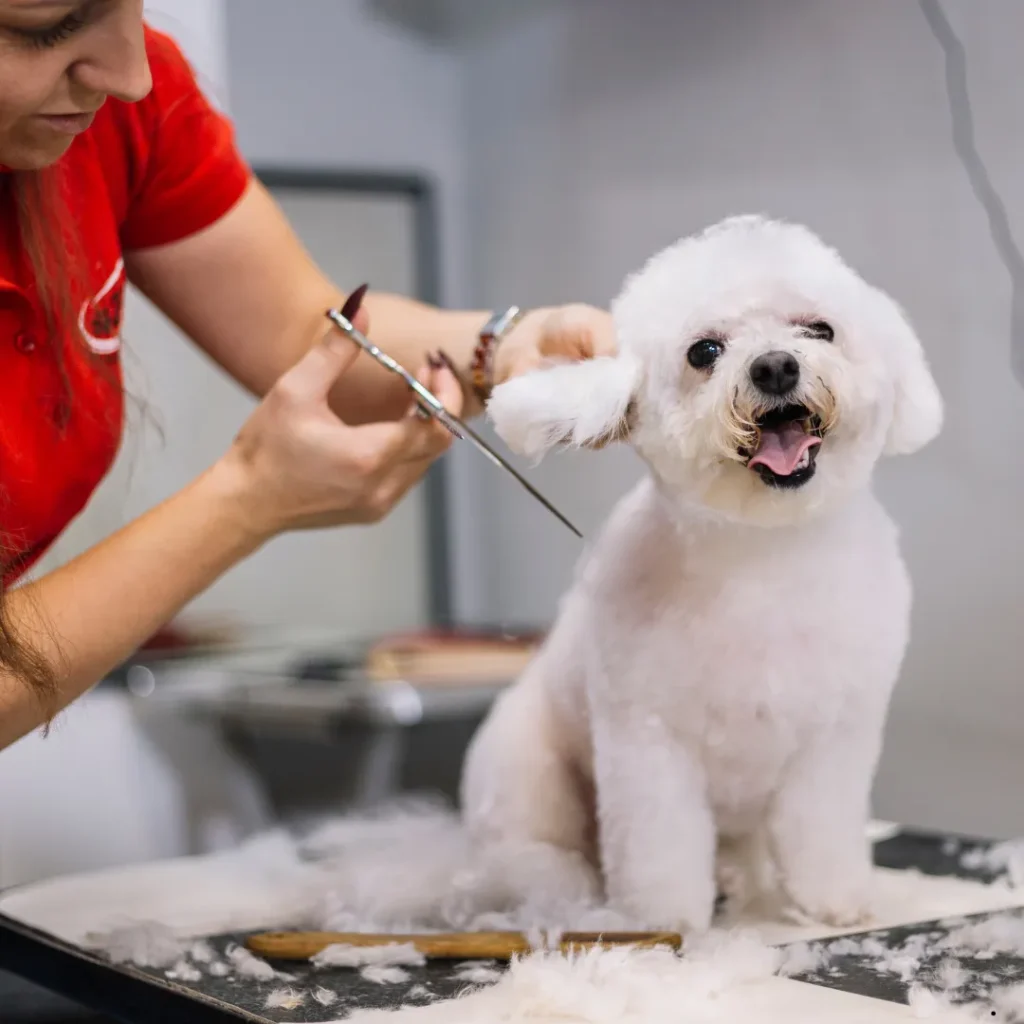
The ICTQual Level 3 Diploma in Dog Grooming is a comprehensive program designed to equip learners with the skills, knowledge, and confidence required to excel in the professional grooming industry. Dog grooming is not only about maintaining a pet’s appearance but also about ensuring their comfort, hygiene, and overall wellbeing. This course emphasizes practical techniques alongside theoretical learning, enabling participants to master grooming practices that meet industry standards while promoting animal welfare.
Learners will explore a wide range of topics including canine anatomy, coat types, grooming tools, and handling techniques. The training covers bathing, drying, clipping, styling, and health checks, ensuring participants are prepared to manage different breeds and grooming requirements. By engaging with practical demonstrations and scenario-based learning, learners develop the competence to deliver high-quality grooming services that enhance both the dog’s health and appearance. The course also highlights the importance of safety, hygiene, and professional conduct in grooming environments.
This diploma is particularly valuable for individuals seeking to establish themselves in the pet care industry, whether as professional groomers, salon owners, or mobile grooming specialists. It empowers learners to demonstrate competence in grooming practices while building trust with clients and employers. By the end of the training, participants will have the confidence to provide professional grooming services, ensuring dogs under their care receive the highest standards of treatment and attention.
Course Overview
Awarding Body
ICTQual AB
Credits
30 credits
Study Mood
Online
Assessment
Assignments Based
Course Study Units
- Canine Anatomy, Coat Types, and Skin Health
- Dog Grooming Techniques: Bathing, Drying, Clipping, and Styling
- Breed‑Specific Grooming Standards and Presentation
- Canine Behaviour, Handling, and Welfare in Grooming
- Canine Health Checks, First Aid, and Preventive Care
- Customer Service, Salon Management, and Professional Practice

Entry Requirements
Who Can Enroll
This course is designed for individuals passionate about canine grooming and professional pet care.
- Aspiring dog groomers seeking formal training.
- Pet salon employees wanting to enhance their skills.
- Mobile grooming professionals expanding their services.
- Veterinary assistants interested in grooming practices.
- Dog owners who want to groom their pets professionally.
- Entrepreneurs entering the pet grooming industry.
Course Learning Outcomes
Canine Anatomy, Coat Types, and Skin Health
- Identify the major anatomical features relevant to grooming (skin, coat, nails, ears).
- Distinguish between different coat types (double coat, wire, curly, smooth) and their grooming needs.
- Recognise common skin conditions and their impact on grooming practices.
- Apply knowledge of coat growth cycles to plan grooming schedules.
- Assess how nutrition and health influence coat and skin quality.
- Use correct terminology when describing canine anatomy and coat types.
- Demonstrate awareness of breed differences in coat and skin health.
Dog Grooming Techniques: Bathing, Drying, Clipping, and Styling
- Perform safe and effective bathing techniques using appropriate products.
- Apply drying methods suited to different coat types and conditions.
- Demonstrate correct use of grooming tools (clippers, scissors, brushes, combs).
- Style and finish coats to professional standards, meeting client expectations.
- Maintain hygiene and safety standards during grooming procedures.
- Adapt grooming techniques to suit the age, health, and temperament of the dog.
- Evaluate grooming outcomes and make improvements where necessary.
Breed‑Specific Grooming Standards and Presentation
- Identify grooming requirements for a wide range of dog breeds.
- Apply breed‑specific styling techniques to meet recognised standards.
- Prepare dogs for shows or competitions, ensuring presentation quality.
- Recognise how breed standards influence coat care and styling choices.
- Adapt grooming approaches for mixed‑breed dogs while maintaining welfare.
- Communicate breed‑specific grooming needs clearly to clients.
- Reflect on professional standards in breed presentation.
Canine Behaviour, Handling, and Welfare in Grooming
- Recognise behavioural signals that indicate stress, fear, or aggression.
- Apply safe handling and restraint techniques during grooming.
- Minimise stress by adapting grooming approaches to individual dogs.
- Promote welfare by ensuring grooming sessions are humane and respectful.
- Use positive reinforcement and calming techniques to support cooperation.
- Maintain health and safety for both groomer and dog during handling.
- Reflect on ethical responsibilities in canine welfare during grooming.
Canine Health Checks, First Aid, and Preventive Care
- Conduct basic health checks (skin, coat, nails, ears, teeth) during grooming.
- Recognise signs of illness, injury, or parasites and report appropriately.
- Apply basic canine first aid in emergencies (minor wounds, heat stress, choking).
- Support preventive care by advising owners on coat maintenance and hygiene.
- Maintain accurate records of health observations during grooming.
- Collaborate with veterinary professionals when health concerns are identified.
- Promote owner awareness of preventive healthcare practices.
Customer Service, Salon Management, and Professional Practice
- Communicate effectively with clients about grooming needs and outcomes.
- Manage appointment scheduling, client records, and salon workflow.
- Apply hygiene and safety protocols in grooming environments.
- Demonstrate professionalism in client interactions and service delivery.
- Handle complaints and feedback constructively to improve services.
- Manage stock, equipment, and salon resources efficiently.
- Reflect on personal development and professional standards in grooming practice.