ICTQual Level 3 Diploma in Principles of Wildlife Management
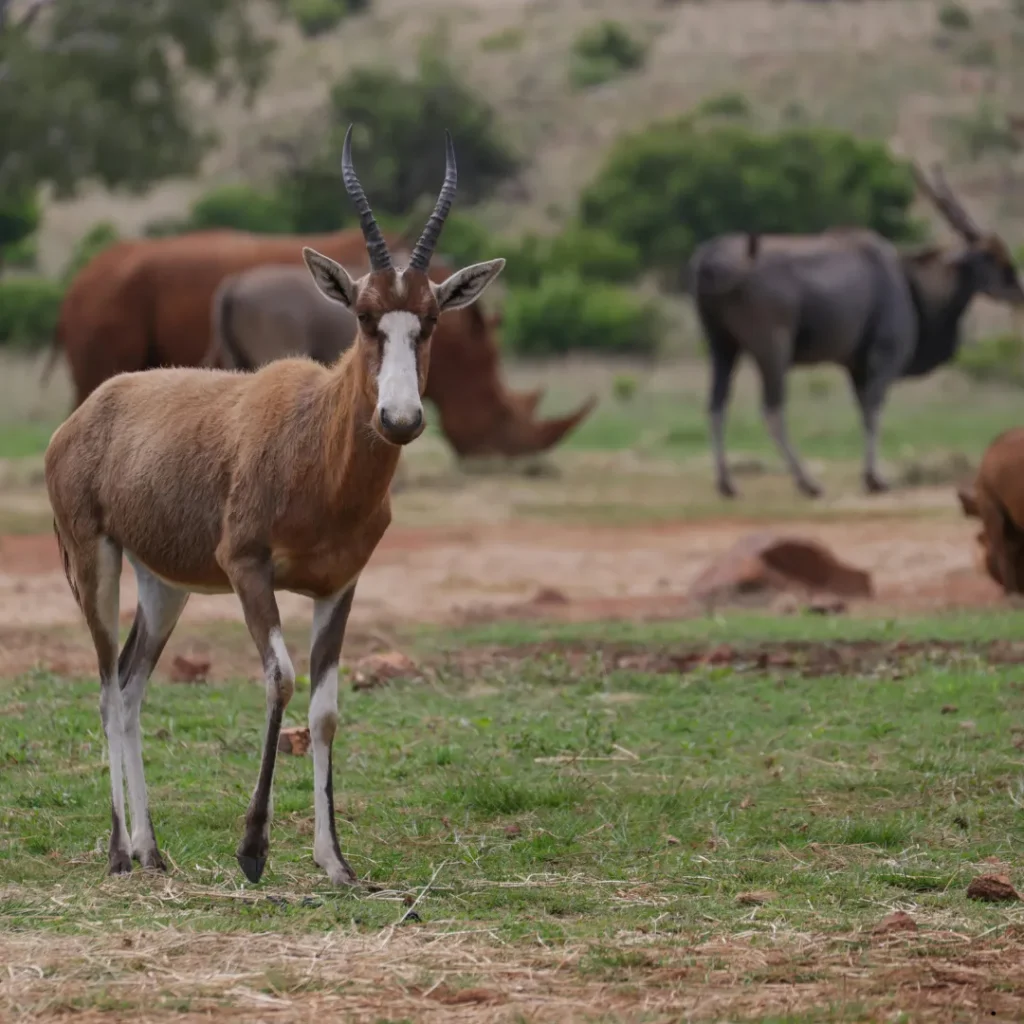
The ICTQual Level 3 Diploma in Principles of Wildlife Management is designed to provide learners with a comprehensive understanding of the principles and practices involved in managing wildlife populations and habitats. This diploma explores the ecological, ethical, and practical aspects of wildlife management, equipping learners with the knowledge to make informed decisions about conservation and sustainable practices. The program emphasizes the importance of biodiversity, ecosystem balance, and responsible stewardship, ensuring that learners develop both theoretical knowledge and practical skills to engage with wildlife management effectively.
This diploma combines structured learning with applied study techniques, making it suitable for learners who wish to explore wildlife management in depth. Participants will engage with topics such as habitat conservation, species monitoring, ecological interactions, and the challenges of human-wildlife coexistence. The course encourages learners to develop analytical skills, critical thinking, and a scientific approach to managing wildlife populations. By exploring real-world case studies and management strategies, learners will gain a deeper appreciation of the complexities involved in protecting and sustaining wildlife resources.
The ICTQual Level 3 Diploma in Principles of Wildlife Management is structured to inspire learners to pursue their passion for conservation while building practical expertise. It highlights the importance of sustainable resource use, ethical practices, and responsible management approaches. Learners will benefit from modules that encourage independent study, applied research, and professional-level engagement with wildlife management principles. Whether motivated by personal interest or professional development, this diploma offers a valuable platform to enhance knowledge and skills in the field of wildlife management.
Course Overview
Awarding Body
ICTQual AB
Credits
30 Credits
Study Mood
Online
Assessment
Assignments Based
Course Study Units
- Comprehensive Wildlife Management Systems
- Biodiversity Protection Strategies
- Conservation Project Planning and Implementation
- Sustainable Use of Natural Resources
- Documentation and Record Keeping in Wildlife Studies
- Continuous Improvement in Conservation Practices

Entry Requirements
Who Can Enroll
This diploma is best suited for individuals who are committed to learning about wildlife management and conservation.
- Wildlife enthusiasts aiming to expand their knowledge.
- Students interested in ecological and environmental studies.
- Conservation volunteers seeking structured learning.
- Hobbyists motivated by scientific curiosity and sustainability.
- Learners wanting to strengthen analytical and management skills.
- Individuals committed to ethical and responsible wildlife practices.
Course Learning Outcomes
Comprehensive Wildlife Management Systems
- Understand the principles of integrated wildlife management systems and their role in conservation.
- Demonstrate knowledge of monitoring, planning, and evaluation processes within management systems.
- Apply strategies to balance ecological sustainability with human activities.
- Recognize the importance of adaptive management in responding to environmental changes.
- Evaluate the effectiveness of wildlife management systems through case studies and data analysis.
- Integrate modern technologies to enhance system efficiency and accuracy.
Biodiversity Protection Strategies
- Understand the importance of biodiversity and its role in ecosystem stability.
- Demonstrate knowledge of conservation strategies to protect endangered species and habitats.
- Apply practical methods for reducing threats such as habitat loss and climate change.
- Recognize the role of protected areas and conservation policies in biodiversity protection.
- Evaluate community‑based approaches to biodiversity conservation.
- Promote sustainable practices that support long‑term biodiversity preservation.
Conservation Project Planning and Implementation
- Understand the stages of planning and implementing conservation projects.
- Demonstrate skills in setting objectives, timelines, and resource allocation.
- Apply risk assessment and mitigation strategies in project planning.
- Recognize the importance of stakeholder engagement in project success.
- Evaluate project outcomes using measurable indicators and reporting tools.
- Develop the ability to adapt projects to changing environmental and social contexts.
Sustainable Use of Natural Resources
- Understand the principles of sustainable resource use in conservation.
- Demonstrate knowledge of balancing resource extraction with ecological protection.
- Apply strategies for managing forests, water, and land sustainably.
- Recognize the impact of unsustainable practices on ecosystems and communities.
- Evaluate policies and practices that promote resource sustainability.
- Promote awareness of responsible resource use within conservation initiatives.
Documentation and Record Keeping in Wildlife Studies
- Understand the importance of accurate documentation in wildlife research and conservation.
- Demonstrate skills in recording ecological data, field observations, and project outcomes.
- Apply standardized formats and systems for effective record keeping.
- Recognize the role of documentation in compliance with legal and ethical standards.
- Evaluate the reliability and validity of recorded data for research purposes.
- Use documentation to support communication, reporting, and decision‑making in conservation.
Continuous Improvement in Conservation Practices
- Understand the concept of continuous improvement in wildlife management.
- Demonstrate knowledge of monitoring and evaluation techniques for conservation practices.
- Apply feedback and lessons learned to enhance future conservation efforts.
- Recognize the role of innovation and technology in improving conservation outcomes.
- Evaluate the effectiveness of conservation strategies through ongoing assessment.
- Promote a culture of learning and improvement within conservation teams and organizations.