ICTQual Level 3 Diploma in Wildlife Damage Control
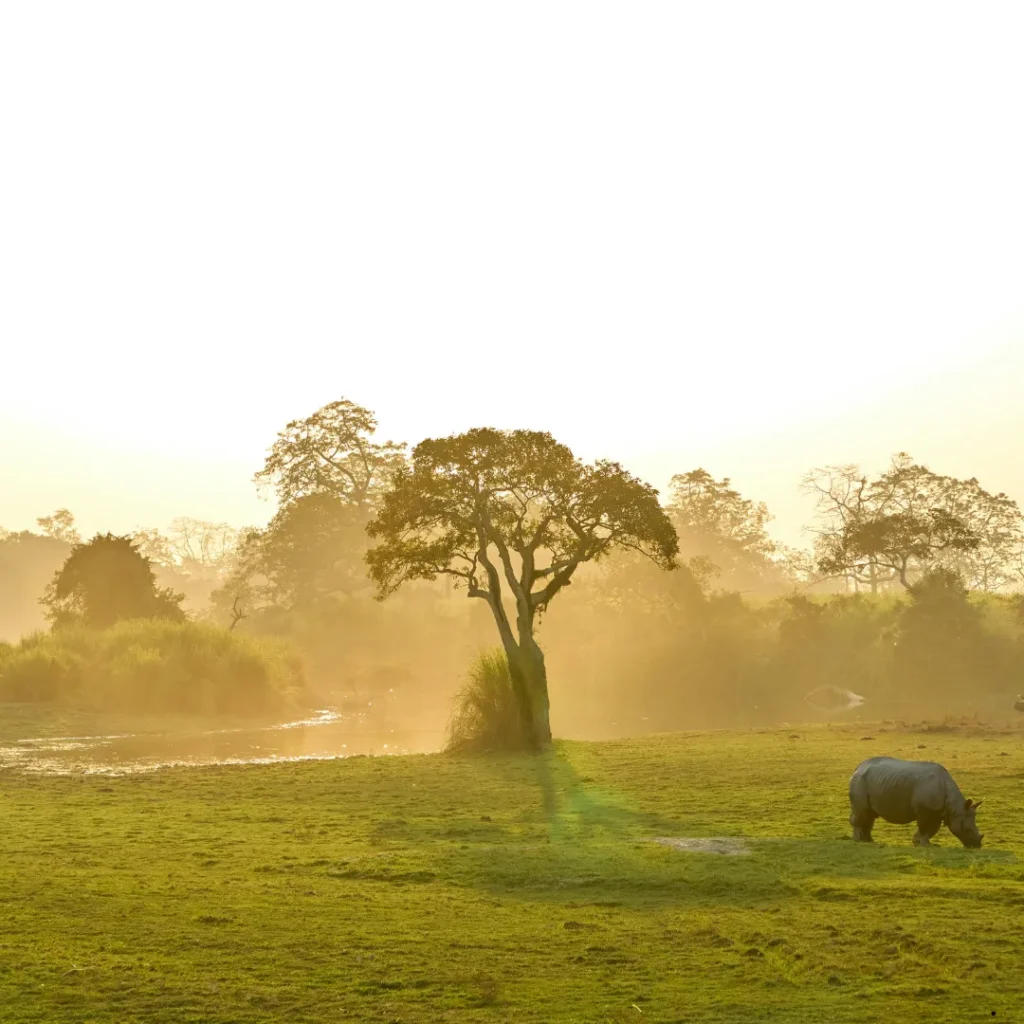
The ICTQual Level 3 Diploma in Wildlife Damage Control is designed to provide learners with the knowledge and practical skills required to manage and mitigate conflicts between wildlife and human activities. This course explores the ecological, ethical, and safety aspects of wildlife control, ensuring that learners understand both the importance of biodiversity and the necessity of protecting property, agriculture, and public health. By combining theory with applied practices, the diploma prepares individuals to handle real-world scenarios where wildlife damage must be addressed responsibly and effectively.
Learners will gain insights into wildlife behavior, habitat management, and humane control methods that align with environmental sustainability. The course emphasizes practical techniques such as risk assessment, damage prevention strategies, and safe handling procedures. It also highlights the importance of legal compliance and ethical considerations, ensuring that learners are equipped to make informed decisions in complex situations. Through case studies and scenario-based learning, participants will develop confidence in applying their skills to diverse contexts.
This diploma is particularly valuable for those working in agriculture, forestry, conservation, or pest management, as well as individuals seeking to expand their expertise in environmental safety. The program balances technical knowledge with practical application, making it suitable for learners who want to enhance their professional competence while contributing to sustainable wildlife management. By the end of the course, participants will be able to implement effective strategies that reduce damage, protect livelihoods, and maintain ecological balance.
Course Overview
Awarding Body
ICTQual AB
Credits
30 Credits
Study Mood
Online
Assessment
Assignments Based
Course Study Units
- Wildlife Damage Control Strategies
- Use of Traps and Capture Devices
- Wildlife and Agriculture Interface
- Urban Wildlife Management
- Data Analysis and Reporting
- Professional Practice and Ethics

Entry Requirements
Who Can Enroll
The ideal learner for this course is someone motivated to balance human needs with wildlife conservation.
- Interested in environmental sustainability.
- Works in agriculture, forestry, or land management.
- Seeks practical skills for wildlife control.
- Values ethical and humane practices.
- Comfortable with outdoor, hands-on activities.
- Keen to improve safety and risk management knowledge.
Course Learning Outcomes
Wildlife Damage Control Strategies
- Evaluate different strategies for managing wildlife damage in rural and urban environments
- Apply preventive, deterrent, and exclusion methods to reduce conflicts effectively
- Assess the ecological impact of chosen strategies to ensure sustainability
- Integrate multiple approaches for long-term wildlife management solutions
- Monitor and adjust strategies based on outcomes and changing conditions
Use of Traps and Capture Devices
- Identify appropriate traps and capture devices for specific species and situations
- Apply safe and humane methods when using traps in wildlife control
- Demonstrate compliance with legal and ethical standards in trapping practices
- Evaluate effectiveness of capture techniques in reducing wildlife damage
- Maintain equipment and ensure proper handling during field operations
Wildlife and Agriculture Interface
- Analyze the relationship between wildlife activity and agricultural production
- Identify common species responsible for crop and livestock damage
- Apply control measures that balance agricultural needs with biodiversity protection
- Develop strategies to minimize economic losses while maintaining ecological integrity
- Promote sustainable practices in farming communities to reduce wildlife conflicts
Urban Wildlife Management
- Assess challenges posed by wildlife in urban and peri‑urban environments
- Apply control techniques suitable for densely populated areas
- Promote coexistence strategies that reduce risks to public health and property
- Engage communities in awareness programs to manage urban wildlife responsibly
- Evaluate long-term solutions for sustainable urban wildlife management
Data Analysis and Reporting
- Collect and organize data from wildlife monitoring and control activities
- Apply analytical methods to interpret trends and outcomes
- Prepare clear reports for stakeholders, regulatory bodies, and conservation organizations
- Use data to improve decision-making and refine management strategies
- Ensure accuracy and transparency in record keeping and reporting practices
Professional Practice and Ethics
- Demonstrate commitment to ethical standards in wildlife damage control
- Apply legal frameworks and international guidelines in professional practice
- Promote humane and sustainable approaches to wildlife management
- Engage with stakeholders respectfully and responsibly in all activities
- Reflect on professional responsibilities and continuous improvement in practice