ICTQual Level 3 Diploma in Zoo Management and Animal Keeping
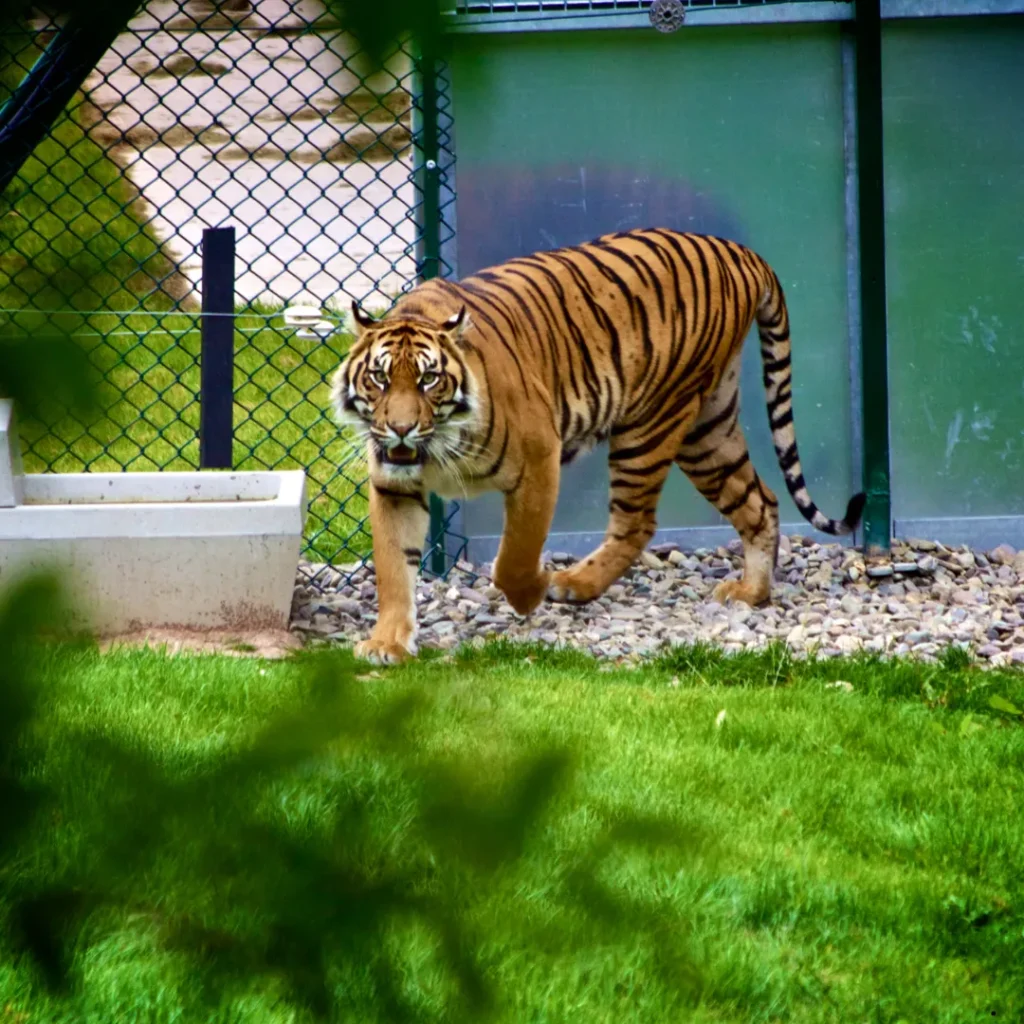
The ICTQual Level 3 Diploma in Zoo Management and Animal Keeping is a comprehensive program designed to provide learners with the essential knowledge and skills required to manage zoological facilities and care for diverse animal species. This course explores the principles of zoo operations, animal welfare, and ethical management practices, offering a detailed understanding of how zoos function as centers for conservation, education, and public engagement. Learners will gain insight into the responsibilities of zoo managers and animal keepers, including the importance of maintaining high standards of care, safety, and sustainability.
Through structured modules, participants will study topics such as animal nutrition, habitat design, enrichment programs, and health monitoring. The course emphasizes practical applications, encouraging learners to connect theoretical knowledge with real-world zoo management challenges. Case studies and examples of best practices are used to highlight how effective management strategies can enhance animal welfare, improve visitor experiences, and support conservation goals. Learners will also explore the role of zoos in biodiversity preservation and the importance of public education in raising awareness about wildlife protection.
This diploma is particularly valuable for individuals passionate about animal care, wildlife conservation, and organizational leadership. It equips learners with the skills to critically analyze zoo operations, implement effective animal keeping practices, and contribute meaningfully to projects that promote ethical and sustainable management. By completing the program, participants will be prepared to take on responsibilities in zoo management, animal care, and conservation initiatives, ensuring they can make a positive impact in the field of zoological services.
Course Overview
Awarding Body
ICTQual AB
Credits
30 Credits
Study Mood
Online
Assessment
Assignments Based
Course Study Units
- Advanced Animal Husbandry Practices
- Behavioural Observation and Enrichment Planning
- Veterinary Support and Preventive Health Care
- Zoo Safety and Risk Management
- Conservation Roles of Modern Zoos
- Communication and Teamwork in Animal Care

Entry Requirements
Who Can Enroll
This course is ideal for individuals motivated by animal welfare, conservation, and leadership in zoological settings.
- Aspiring zoo managers seeking professional skills.
- Animal keepers aiming to enhance their expertise.
- Conservation volunteers interested in structured training.
- Students passionate about wildlife and biodiversity.
- Staff working in sanctuaries or zoological parks.
- Individuals committed to ethical and sustainable animal care.
Course Learning Outcomes
Global Governance and Policy Influence in Captive Breeding
- Demonstrate advanced understanding of international governance structures influencing captive breeding programs.
- Apply global policy frameworks to ensure compliance and ethical program implementation.
- Recognize the role of international organizations in shaping biodiversity conservation priorities.
- Evaluate the impact of policy decisions on long‑term captive breeding strategies.
Innovations in Reproductive and Genetic Technologies
- Demonstrate mastery of cutting‑edge reproductive and genetic technologies in conservation breeding.
- Apply genomic tools to enhance species diversity and long‑term viability.
- Recognize ethical considerations in the use of advanced reproductive interventions.
- Evaluate the effectiveness of technological innovations in global conservation contexts.
Leadership and Advocacy in Conservation Breeding Programs
- Demonstrate advanced leadership skills in directing international conservation breeding initiatives.
- Apply advocacy strategies to influence stakeholders, policymakers, and communities.
- Recognize the importance of ethical leadership in global biodiversity protection.
- Evaluate leadership practices for effectiveness in advancing conservation goals.
Addressing Global Wildlife Conflicts through Captive Breeding
- Demonstrate understanding of how captive breeding can mitigate global wildlife conflicts.
- Apply strategies to balance human‑wildlife interactions with conservation priorities.
- Recognize the role of captive breeding in conflict resolution and species recovery.
- Evaluate integrated approaches to address ecological and social challenges.
Ethics and Philosophy of Captive Wildlife Representation
- Demonstrate advanced knowledge of ethical theories and philosophical perspectives in captive wildlife care.
- Apply ethical frameworks to guide decision‑making in conservation breeding programs.
- Recognize cultural and philosophical influences on global perceptions of captive wildlife.
- Evaluate ethical dilemmas to propose responsible solutions in conservation practice.
Capstone Project: Designing a Global Conservation Breeding Initiative
- Demonstrate ability to design a comprehensive global conservation breeding program.
- Apply advanced research, policy, and leadership skills to address real‑world conservation challenges.
- Recognize the importance of collaboration, innovation, and ethical practice in program design.
- Evaluate project outcomes to contribute to global biodiversity protection and conservation leadership.