ICTQual AB Level 4 Certificate Utility Work Machine Instructor Training
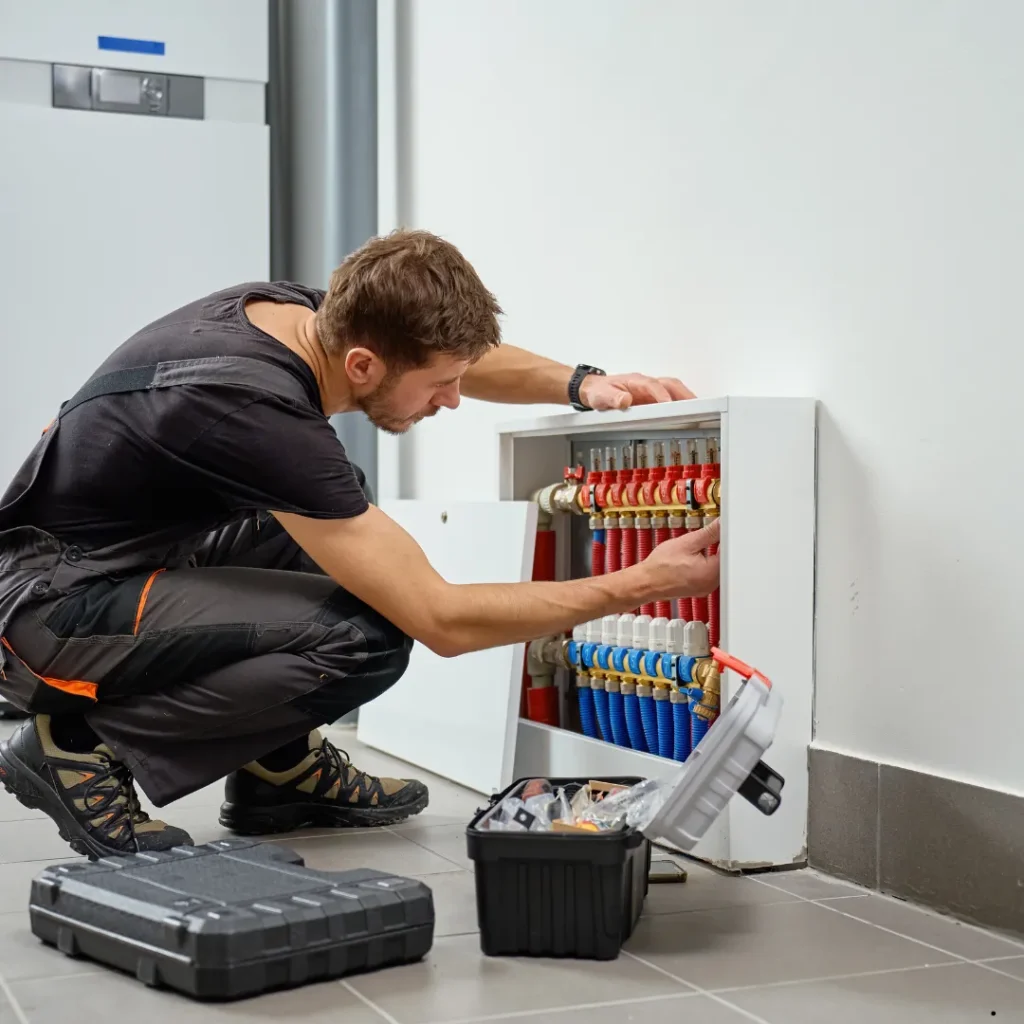
The ICTQual AB Level 4 Certificate in Utility Work Machine Instructor Training is a specialized program designed to prepare learners for the responsibilities of instructing and supervising operators of utility work machines. This course provides a comprehensive understanding of machine operation, safety standards, and instructional techniques, ensuring that participants are equipped to train others effectively and responsibly. Learners will explore the principles of utility machine use across construction, logistics, and industrial settings, with a strong emphasis on risk management and compliance with workplace safety practices.
Through structured modules, participants will study advanced topics such as machine handling, operational checks, hazard identification, and emergency procedures. The course emphasizes practical applications, encouraging learners to connect theoretical knowledge with real-world training scenarios. Case studies and examples of best practices are used to highlight how effective instruction can improve workforce competence, reduce accidents, and enhance productivity. Learners will also develop skills in communication, assessment, and mentoring, enabling them to deliver clear, structured training sessions to diverse groups of operators.
This certificate is particularly valuable for individuals aiming to progress into instructional or supervisory roles within utility work machine operations. It equips learners with the ability to critically analyze training needs, implement effective teaching strategies, and contribute meaningfully to workplace safety and efficiency. By completing the program, participants will be prepared to take on responsibilities as certified instructors, ensuring they can make a lasting impact in industries where utility work machines are essential to daily operations.
Course Overview
Awarding Body
ICTQual AB
Duration
5 days
Study Mood
Online
Assessment
Assignments Based
Course Study Units
- Fundamentals of Confined Space Safety
- Monitoring and Hazard Control in Confined Spaces
- Emergency Response and Communication Protocols

Entry Requirements
Who Can Enroll
This course is ideal for individuals motivated by workplace safety, technical training, and supervisory responsibilities.
- Experienced machine operators seeking instructor certification.
- Supervisors aiming to enhance workforce training standards.
- Safety officers interested in specialized machine instruction.
- Technical trainers working in construction or logistics.
- Employees committed to improving operational safety.
- Individuals passionate about mentoring and workforce development.
Course Learning Outcomes
Fundamentals of Confined Space Safety
- Demonstrate understanding of the definition and characteristics of confined spaces across different industries.
- Identify common hazards associated with confined space entry and explain their potential impact on safety.
- Apply knowledge of international safety standards and organisational policies to confined space operations.
- Recognise the responsibilities of a confined space attendant in monitoring and safeguarding workers.
- Evaluate the importance of pre‑entry checks and preparation procedures in ensuring safe operations.
- Analyse how confined space safety contributes to overall workplace compliance and risk management.
- Integrate theoretical knowledge with practical scenarios to ensure safe and controlled entry practices.
Monitoring and Hazard Control in Confined Spaces
- Conduct systematic monitoring of environmental conditions such as oxygen levels, toxic gases, and ventilation.
- Apply hazard control measures that align with international safety protocols and best practices.
- Demonstrate the ability to use monitoring equipment accurately and interpret readings effectively.
- Recognise early warning signs of unsafe conditions and initiate appropriate corrective actions.
- Evaluate the effectiveness of hazard control strategies in reducing risks during confined space work.
- Develop practical approaches for continuous monitoring and documentation of confined space activities.
- Integrate hazard control measures into permit‑to‑work systems and operational procedures.
Emergency Response and Communication Protocols
- Demonstrate effective communication skills for coordinating confined space activities and responding to incidents.
- Apply structured emergency response procedures to ensure rapid and safe evacuation when required.
- Recognise the importance of clear instructions and information flow in safety‑critical operations.
- Practise accurate reporting and escalation methods when dealing with confined space emergencies.
- Evaluate the role of teamwork and interpersonal communication in building trust and accountability.
- Analyse case studies to understand the impact of poor communication on confined space safety.
- Integrate emergency response and communication protocols into real‑world confined space scenarios.